








Chiredzi’s growing contribution to Zimbabwe’s tax base has renewed calls for a more predictable system of fiscal devolution, amid concerns that communities generating significant economic activity are not seeing a corresponding improvement in basic infrastructure and public services.
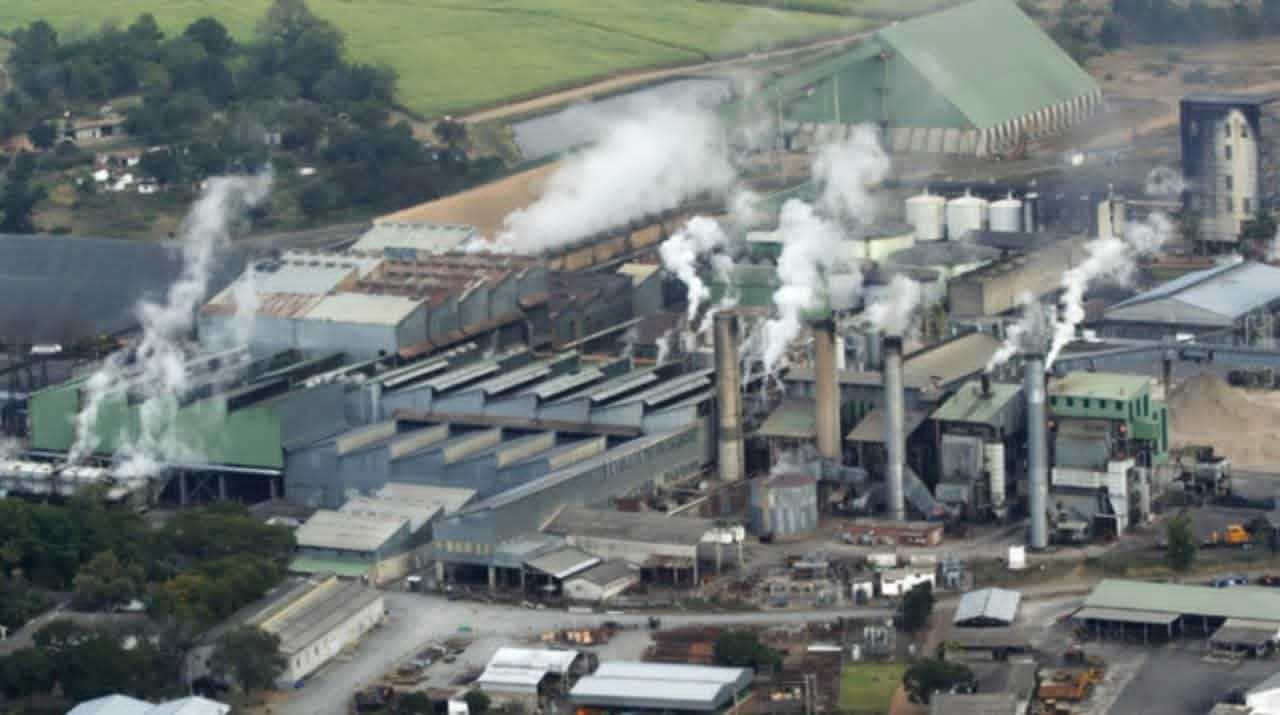
The debate was reignited by Chiredzi Central MP Blessing Makumire after ZIMRA listed Hippo Valley Estates among Zimbabwe’s six largest corporate taxpayers.
Makumire said the issue was not about demanding that Hippo Valley Estates directly fund Chiredzi’s development, but whether the national fiscal system was returning enough resources to communities that contribute substantially to the country’s economy.
“This week, ZIMRA reported Hippo Valley Estates as Zimbabwe’s sixth-biggest corporate taxpayer, and it is right here in Chiredzi Central,” Makumire said.
“Yet, look around Chiredzi. This is not about blaming Hippo Valley. It is about whether fiscal devolution is delivering fairly for communities that contribute significantly to the national fiscus.”
Chiredzi is one of Zimbabwe’s major agricultural and agro-industrial centres, with sugar production forming the backbone of the local economy and supporting extensive employment, commercial activity and downstream industries.
Yet Makumire said the economic significance of the district was not sufficiently reflected in the condition of its public infrastructure.
“Chiredzi still faces major gaps in roads, water, sanitation and basic infrastructure,” he said.
The concern goes to the heart of Zimbabwe’s constitutional fiscal-devolution framework.
Fiscal devolution is intended to ensure that provinces and local authorities have access to resources to finance development and improve service delivery, rather than concentrating public finances entirely at central Government level.
But the size of an area’s economic contribution and the amount ultimately available to its local authority are not necessarily directly linked.
Corporate taxes such as those paid by large companies are collected as national revenue. Their presence in a particular district does not automatically mean that the same amount should be returned to that locality.
Related Stories
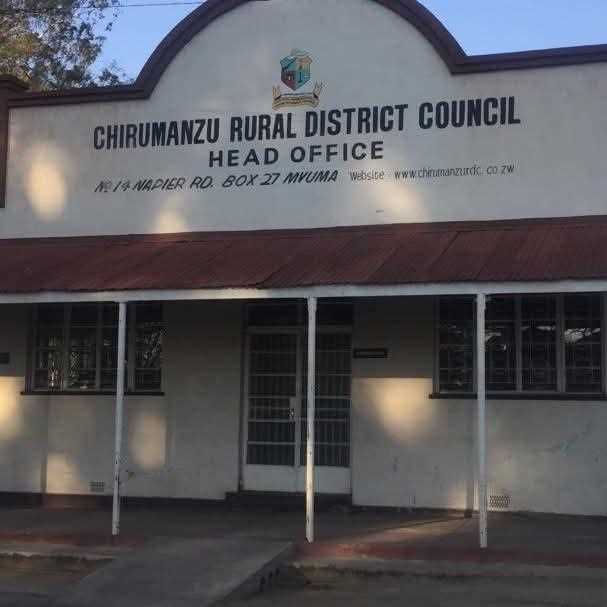
The policy question, therefore, is not whether Chiredzi should receive Hippo Valley’s tax bill, but whether the national allocation system adequately recognises the economic activity, population, infrastructure demands and development pressures created in major production centres.
Makumire wants that system strengthened.
“Government must now strengthen fiscal devolution by ensuring that communities generating significant economic value receive a predictable, transparent and meaningful share of public resources for local development,” he said.
The argument comes at a time when Zimbabwe is attempting to deepen decentralisation while simultaneously expanding domestic revenue mobilisation.
The tension is straightforward: central Government needs tax revenue to finance national priorities, but local authorities are responsible for many of the services and infrastructure that businesses and communities depend on every day.
In Chiredzi, that tension is particularly visible because the local economy is heavily tied to large-scale commercial agriculture and agro-processing.
The question is whether national economic activity is generating sufficient local public investment in the roads, water systems, sanitation networks and other infrastructure required to sustain that activity.
Poor infrastructure can itself become an economic constraint.
Road deterioration raises transport costs, unreliable water systems increase operating pressures on businesses and households, while inadequate sanitation and urban infrastructure can undermine the attractiveness of a growing commercial centre.
This creates a potential cycle in which communities are expected to support major economic activity without receiving adequate public investment to accommodate the resulting population and infrastructure pressures.
Makumire argues that the solution is not to penalise successful companies but to improve the way national resources are channelled back into productive communities.
“Chiredzi contributes immensely to Zimbabwe’s economy. Our development model must ensure that contribution is reflected in the quality of life of our people,” he said.






Leave Comments