





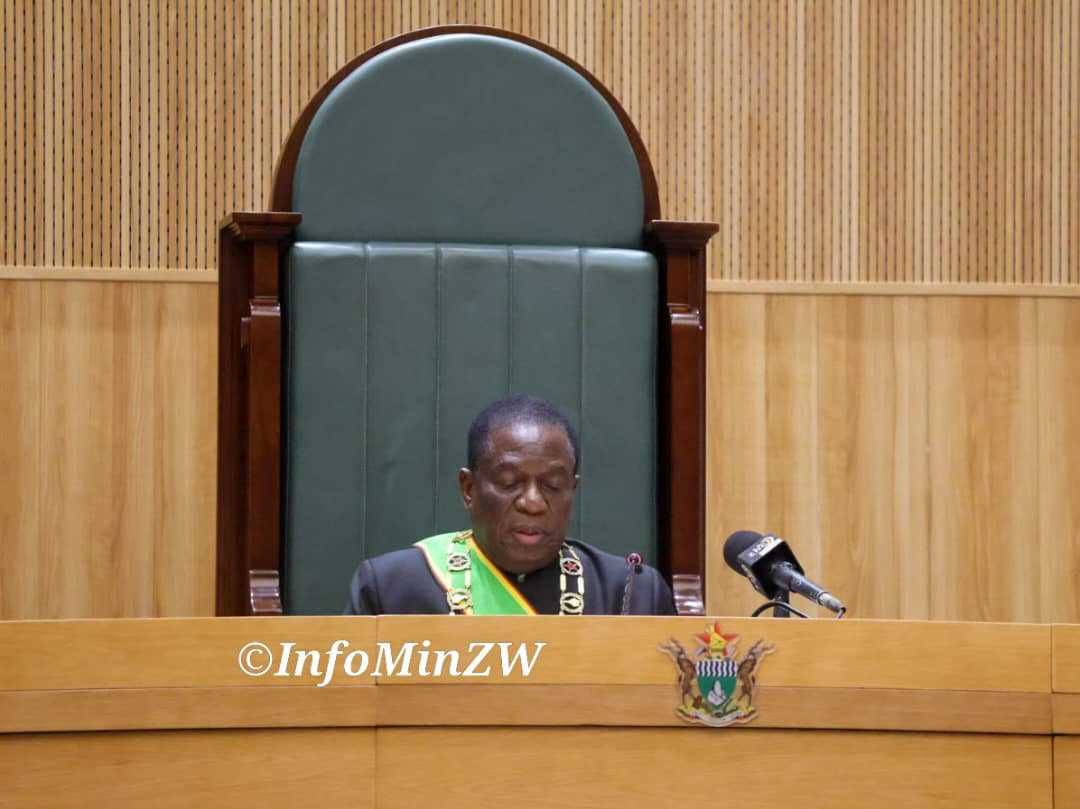
President Emmerson Mnangagwa's claim that Zimbabwe has entered a period of sustained economic stability has come under immediate attack from opposition figures, who say the headline figures presented in Parliament on Tuesday bear little resemblance to the economic pressures confronting households.
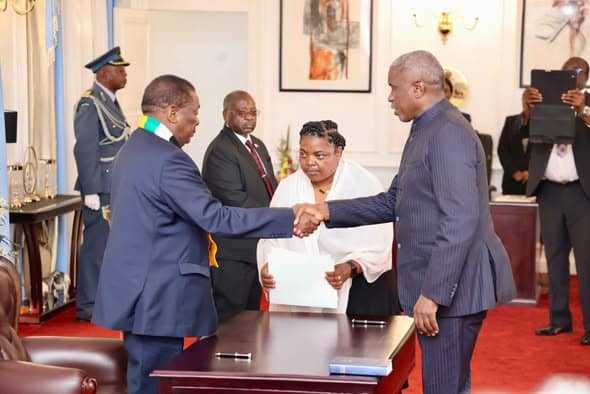
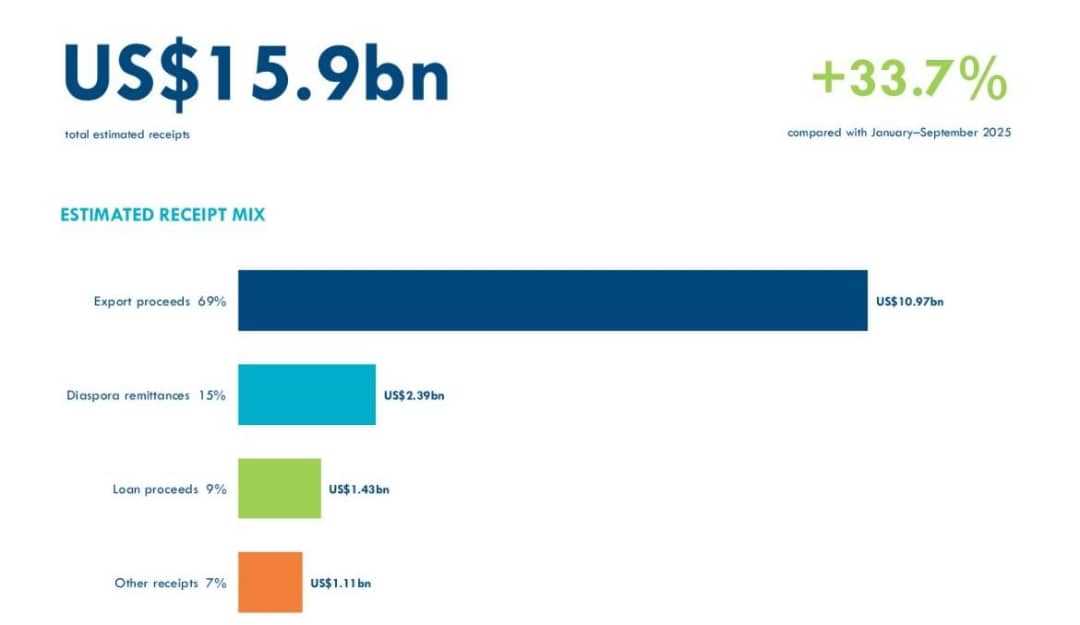
Mnangagwa used his State of the Nation Address to present an economy he said was recovering on several fronts, citing single-digit inflation since January, US$10.7 billion in foreign-currency inflows during the first half of 2026 and projected inflows of about US$20 billion by year-end. He also reported 8.3 percent economic growth, with agriculture expanding by 27.9 percent and contributing 2.2 percentage points to overall GDP growth.
But opposition politicians said the central question left unanswered was whether those improvements in the macroeconomic statistics were translating into better household incomes, employment and access to basic services.
That divide was captured most by opposition politician Nelson Chamisa, who described the address as a “state of deception and pretense”, arguing that the official presentation of the country was increasingly disconnected from citizens' lived experience.
“When I tweeted #NoTo2050, some critics missed the point. I was warning about something much bigger: the danger of normalising the indefinite extension of political power and weakening the citizens’ right to choose their leaders,” Chamisa said.
His intervention widened the criticism beyond economic performance, linking the SONA to his wider opposition to prolonged political rule.
Chamisa also criticised what he described as the personalisation of political power in Zimbabwe, arguing that the country's institutional problem went beyond the dominance of a single political party.
“The crisis is not merely a one-party-state problem. It is, and has always been, a one-man-state problem…from Smith, RGM to ED,” he said.
He said the alternative should be institutions capable of outlasting individual political leaders.
“It is about building strong institutions, not strong men. It is about constitutionalism, not individualism. It is about the right of citizens to choose, and to change, their government,” Chamisa said.
Former opposition MP Jameson Timba similarly questioned whether the reported economic growth had translated into improvements for citizens.
“The economy grew, did the citizen?” Timba said.
He said the performance of the economy should ultimately be measured against household incomes, employment, healthcare and social protection rather than growth figures alone.
Related Stories
Norton MP Richard Tsvangirayi of the CCC said the address had failed to confront what he described as the everyday economic reality faced by most Zimbabweans.
“Today, the president missed an opportunity to speak directly to the economic realities facing majority of Zimbabweans,” Tsvangirayi said.
He challenged the government's presentation of low inflation and economic growth, arguing that the headline indicators did not adequately capture the pressures created by food, transport and housing costs.
“Zimbabweans are tired of economic statistics that do not translate into tangible improvements in their lives,” he said, arguing that the more meaningful test was whether the economy was creating decent jobs, putting food on tables and improving living standards.
Bulawayo mayor David Coltart also questioned the social impact of the reported expansion, pointing to the continued visibility of school exclusions and informal trading.
“If the economy is doing so well why are so many children out of school and why are the numbers of vendors rising?” Coltart said.
He added that while the economy could be growing, “it apparent that overwhelmingly a tiny corrupt elite are benefiting from it.”
The competing narratives expose a long-running problem in Zimbabwe's economic debate: macroeconomic stability and household welfare are related, but they are not interchangeable measures.
Mnangagwa presented the latest figures as evidence that government policies were “unlocking investments, accelerating economic growth and creating vital jobs”. He also said empowerment programmes for women and young people were being expanded and that government was strengthening public healthcare through the capacitation of health institutions, expansion of primary healthcare and improved access to medicines.
On social protection, he said government programmes were producing positive results through community outreach and support initiatives, while skills data was being used to guide reskilling, upskilling and job placement for Zimbabweans returning from South Africa.
The opposition's criticism therefore centres less on whether the reported statistics exist than on what those statistics mean for citizens outside the formal economic indicators.
The political symbolism surrounding the SONA further sharpened the contrast between the government's presentation and the opposition's response.
As Mnangagwa left Parliament after delivering the address, Zanu PF MPs and senators sang “2040 Ndeya Emmerson”, expressing support for Mnangagwa remaining in power until 2040.
For the opposition, that display reinforced concerns about the direction of the country's politics and the distinction between institutional governance and personal political longevity.





Leave Comments