









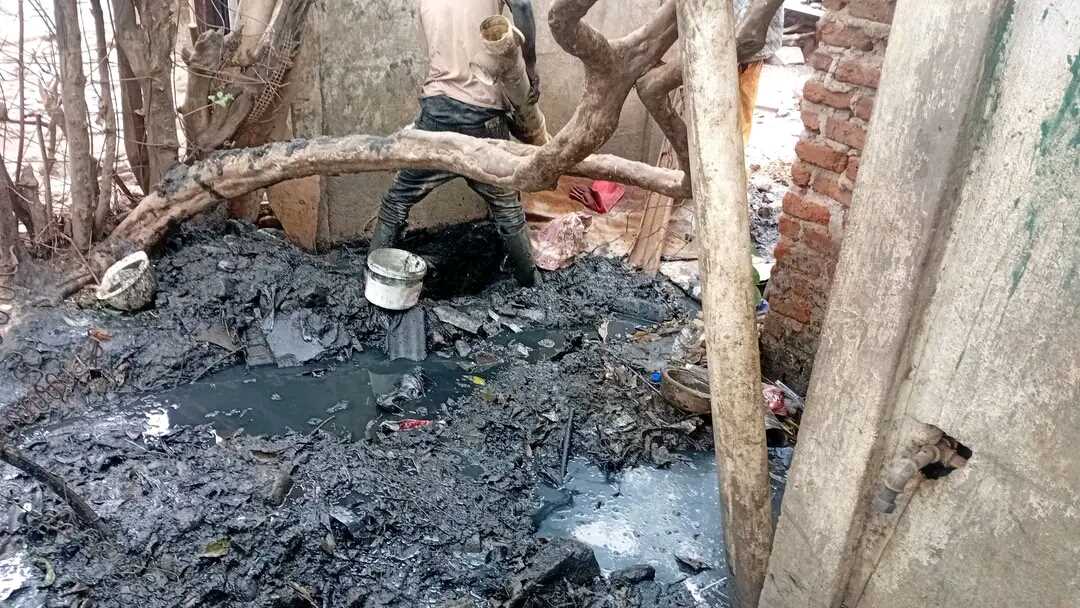
Residents of Dzivarasekwa’s Ward 39 are facing a growing public health threat as recurring sewer bursts continue to plague the community. a problem that has persisted for the past three months, according to the Combined Harare Residents Association.
The situation has worsened with the onset of the rainy season, raising fears of waterborne diseases as raw sewage mixes with stormwater in residential areas.
CHRA chairperson David Pasipanodya described the repeated sewer bursts as a serious breakdown in service delivery and a violation of residents’ basic rights to clean water, health, and safe living conditions.
“This is a human rights issue. People cannot continue living with sewage flowing in their neighbourhoods,” Pasipanodya said. “Access to clean water and a healthy environment is a right owed to every resident, not a privilege granted selectively.”
Related Stories
He added that years of deteriorating infrastructure and delayed repairs have left communities like Dzivarasekwa particularly vulnerable, especially during rainy periods when blocked sewer lines overflow more frequently.
Pasipanodya urged the City of Harare to urgently allocate resources to repair damaged sewer networks and restore reliable waste management services.
“We expect timely intervention from local authorities. The situation demands immediate attention to safeguard public health and dignity,” he said.
The Ministry of Health and Child Care has long warned that sewer blockages, combined with inconsistent water supply, increase the risk of diseases such as cholera and typhoid during the rainy season.
CHRA said it continues to monitor service delivery challenges, environmental hazards, and governance failures in affected communities across Harare.






Leave Comments