






Zimbabwe closed 2025 with signs of macroeconomic stabilisation, but worsening child hunger and malnutrition continue to expose a sharp disconnect between economic indicators and lived realities for millions of households.
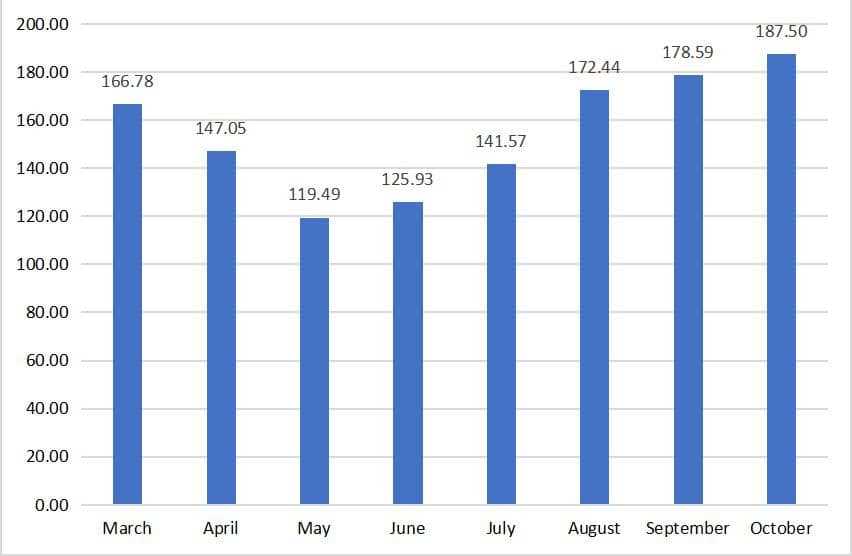
Inflation fell sharply from 32.7 percent in October to 15 percent in December 2025, the lowest level recorded in a year and marking the fifth consecutive month of slowing price growth, according to Trading Economics. The deceleration has been widely cited as evidence of improving price stability and tighter monetary conditions.
However, food insecurity and child malnutrition remain deeply entrenched.
The 2025 Global Hunger Index, published by Welthungerhilfe and Concern Worldwide, ranked Zimbabwe 90th out of 123 countries, with a score of 20.9—placing the country in the “serious” hunger category.
The figures highlight a troubling contradiction: improving macroeconomic metrics alongside persistent deprivation, particularly among children.
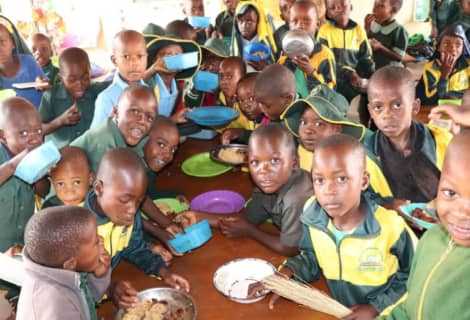
At community level, the impact is stark. In Epworth’s Chiremba area, non-profit organisation Bless The Child Zimbabwe continues to run feeding programmes and soup kitchens targeting vulnerable children aged between four and 15 years. The organisation says demand for food assistance remains high despite broader claims of economic recovery.
Related Stories
“As 2025 closed, Zimbabwe recorded a notable economic shift,” said Asher Munashe Mutandiro, Information, Research and Publicity Officer and Committee Member at Bless The Child Zimbabwe. “Yet behind these numbers lies a sobering reality. Our work is not just about meals—it is about dignity, growth, and the future of Zimbabwe’s children.”
Child nutrition data reinforces the urgency.
The Zimbabwe Demographic and Health Survey (2023–2024) found that 27 percent of children under five are stunted, a condition caused by chronic malnutrition that irreversibly affects physical growth and cognitive development. Health experts link stunting to long-term poverty, food shortages, and repeated childhood infections.
The World Food Programme acknowledges progress but warns against complacency. “From 74 percent food insecurity in 2025 to a projected 15 percent in 2026, there has been significant progress,” WFP Zimbabwe said. “But vulnerability hasn’t disappeared.”
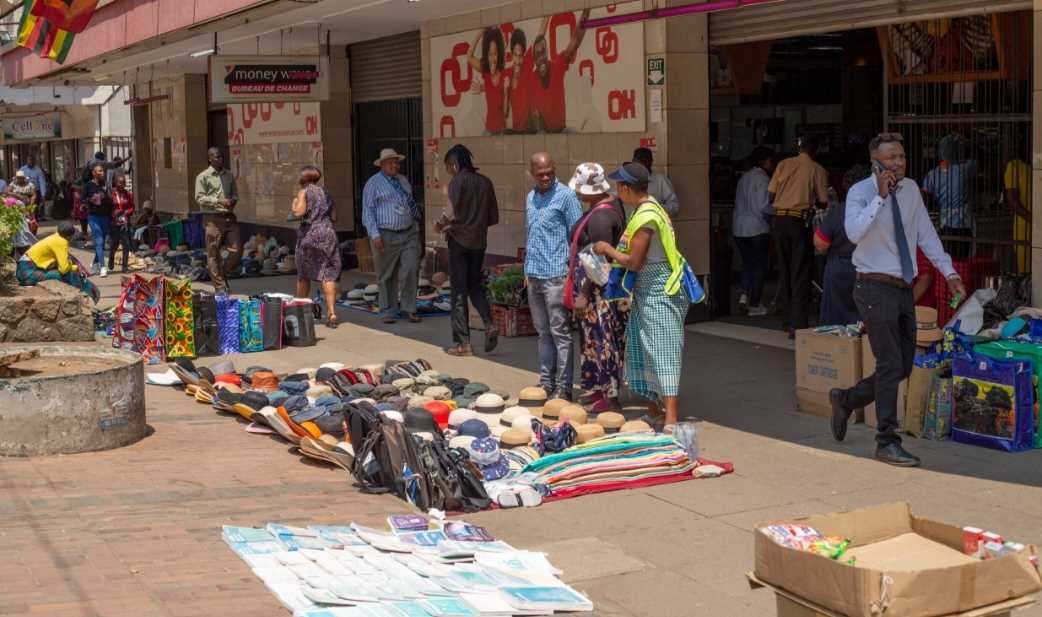
A caution was made qthat headline inflation figures do not automatically translate into food access for low-income households, particularly in informal settlements where unemployment, erratic incomes, and high food prices continue to limit dietary diversity.
In 2026, development organisations argue that addressing hunger requires more than macroeconomic stability.
Bless The Child Zimbabwe said the focus remains aligned with the United Nations Sustainable Development Goal 2—Zero Hunger—amid evidence that thousands of children remain at risk of lifelong consequences from malnutrition.








Leave Comments