






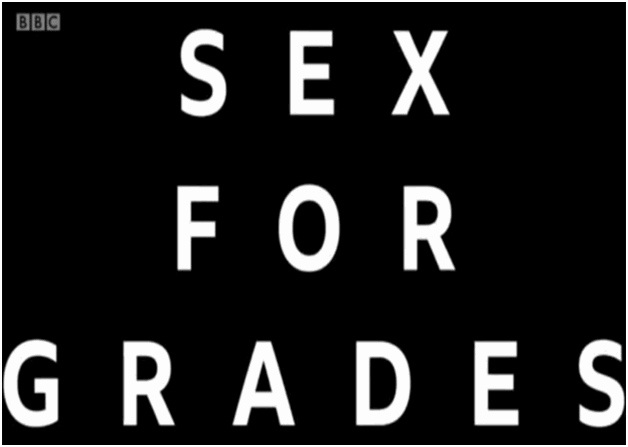
Sexual corruption is deeply entrenched across Zimbabwe’s education system and key private-sector industries, with women and girls disproportionately affected, according to new findings by Transparency International Zimbabwe.
In its latest National Bribery and Corruption Perception Index report, TI Z says both public and private education institutions are affected, with the practice most prevalent in higher and tertiary education, where students are allegedly coerced into exchanging sex for academic progression.
“The education sector (both public and private institutions) is also impacted by sexual corruption, mainly in the higher and tertiary education sector, where students — mostly female — pay with sex for marks in order to graduate,” TI Z said.
The organisation cited testimony from a focus group participant who described the practice bluntly:
“… learners give sexual favours to pass modules.”
TI Z said the findings are consistent with its 2023 study on corruption in higher and tertiary education, which established that relationships between students and lecturers had been compromised, undermining academic integrity and professional ethics.
Beyond education, the watchdog warned that sexual corruption has spilled into the private sector, particularly in mining, hospitality and non-governmental organisations, where access to jobs, internships and business opportunities is allegedly tied to sexual compliance.
Related Stories
“As regards the private sector, respondents alleged that companies in the mining and hospitality sectors and non-governmental organisations are the ones most plagued by incidences of sexual corruption,” TI Z said.
The report highlights the vulnerability of students seeking industrial attachment, a compulsory requirement for graduation in many programmes. TI Z said recruiters allegedly demand sexual favours in exchange for placement opportunities, exploiting students’ dependence on attachments to complete their studies.
In small-scale mining and related services, sexual exploitation is reportedly embedded in business transactions, especially for women entrepreneurs.
“Women in business have to pay with sexual favours to succeed in business, for prospecting licences and processing their ore,” one focus group participant said.
The hospitality industry was identified as particularly problematic, with TI Z warning that informal hiring practices have normalised exploitation. Respondents said fast-food outlets and related businesses have cultivated “the perception that salespersons should be female and attractive,” effectively turning physical appearance into an unofficial job requirement.
TI Z said this perception gives managers, supervisors and recruiters excessive discretionary power, creating conditions that enable abuse.
“Subsequent employment decisions become more transactional and less merit-based, sometimes involving demands for sex,” the organisation noted.
The findings point to systemic failures in oversight, accountability and reporting mechanisms, particularly in sectors characterised by sharp power imbalances and fear of retaliation among victims.
TI Z said the persistence of sexual corruption reflects a broader governance crisis, where corruption is not only financial but also gendered, coercive and embedded in everyday access to education, employment and economic opportunity.
The organisation called for stronger institutional safeguards, survivor-centred reporting mechanisms and decisive enforcement action, warning that failure to confront sexual corruption risks entrenching inequality, eroding trust in public and private institutions, and normalising abuse under the guise of opportunity.







Leave Comments