








Zimbabwe’s health system has managed to sustain essential services despite fiscal strain and the withdrawal of major donor support, but rising disease burdens and workforce gaps pose growing risks to long-term stability, Health and Child Care Minister Dr Douglas Mombeshora has said.
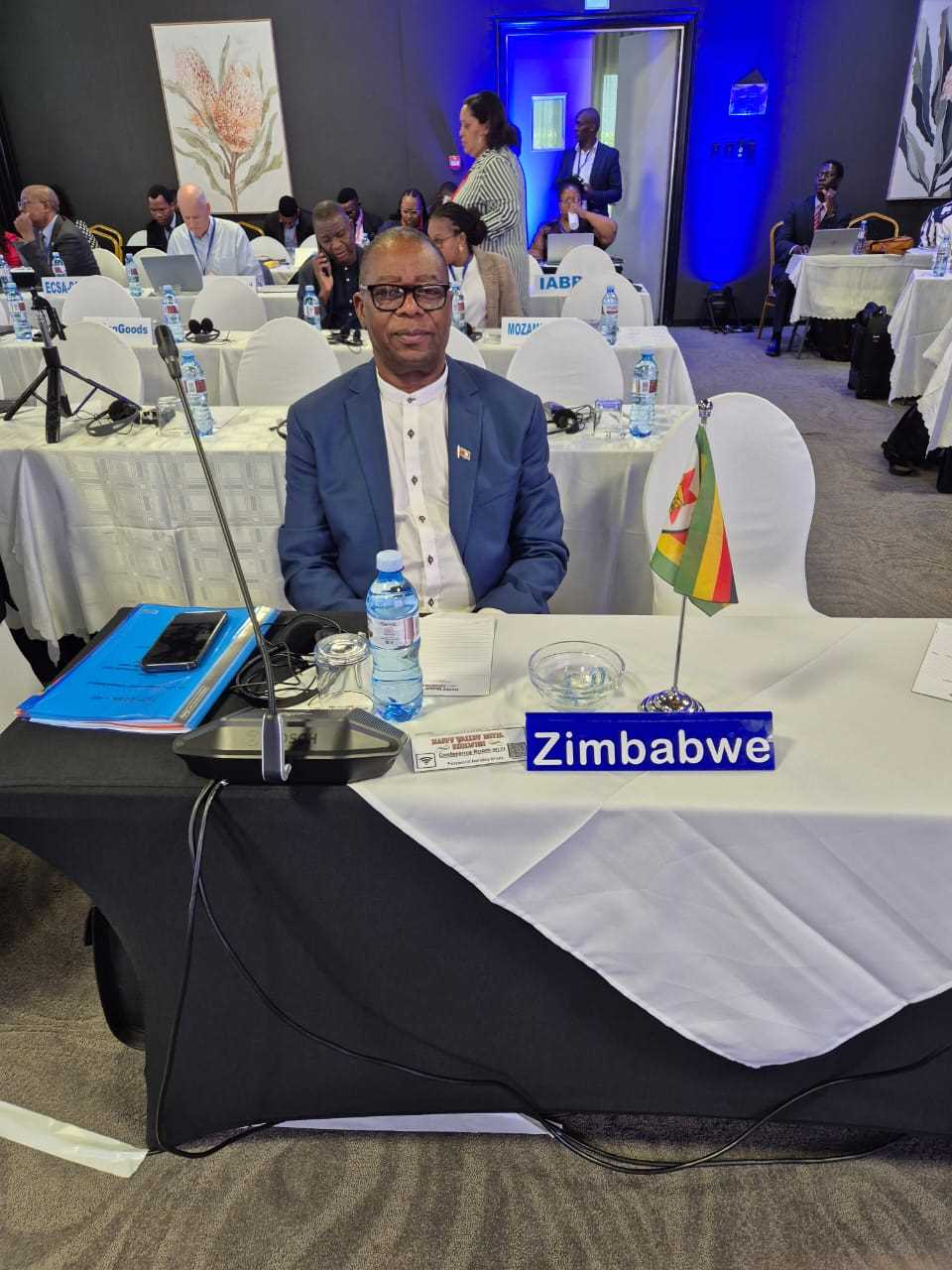
Addressing the ongoing ECSA-HC Health Ministers’ Conference in the Kingdom of Eswatini, Mombeshora said Zimbabwe’s health sector has shown resilience under pressure.
“Zimbabwe’s health system has demonstrated notable resilience in recent years. Despite fiscal constraints and the withdrawal of key donor support, the sector has sustained essential services provision,” he said.
However, the Minister warned that public health threats remain persistent, citing increases in tuberculosis incidence and malaria outbreaks.
“Public health threats persist, including rising tuberculosis incidence and malaria outbreaks, underscoring the continued importance of strong disease surveillance and response systems,” Mombeshora said.
He said strengthening the health workforce would be central to achieving Universal Health Coverage, acknowledging that current staffing levels fall short of projected needs.
Related Stories
“A well-performing health workforce remains central to achieving Universal Health Coverage,” he said, adding that workforce projections show “significant scale-up will be required by 2030 to meet growing service demands and global benchmarks.”
Mombeshora said Government has expanded health-worker training capacity and is implementing a Health Workforce Investment Compact to address staffing gaps.
On medicines and supplies, the Minister said availability has improved, particularly for priority diseases.
“Access to essential medicines is improving and supplies for HIV, TB and Malaria are largely stable,” he said, adding that Government is recapitalising NatPharm to strengthen local procurement and reduce exposure to external supply disruptions.
He said infrastructure upgrades are underway through the Presidential Hospital Renovation Scheme, which is modernising referral and district hospitals by upgrading theatres, maternity and neonatal units, diagnostics, water and power systems, and staff accommodation.
Mombeshora said Zimbabwe is also strengthening domestic health financing.
“Zimbabwe has strengthened domestic resource mobilisation, including through the AIDS Levy and earmarked health-related taxes, which provide predictable funding for priority programmes,” he said, adding that Government is fast-tracking the National Health Insurance Scheme to enhance financial protection.










Leave Comments