









By CGTN Africa editor Zhou Xin
In Chinese lunar calendar, 2026 is the Year of the Fire Horse, a year associated with vitality, speed, and perseverance. The symbolism resonates far beyond China’s borders.
Zimbabwe, a country known for its abundant wildlife and breathtaking savannah landscapes, understands well the power and grace embodied by the horse. Across African cultures, the horse has long symbolized strength, endurance and purposeful movement—qualities that mirror Zimbabwe’s aspirations for resilience and modernization.
A friendship forged in solidarity
The roots of China–Zimbabwe friendship run deep. During Zimbabwe’s national liberation struggle, China extended tangible support.
During the 1960s-70s, Zimbabwean fighters — including future national leaders — received military and political training in China.
Douglas Mahiya, Politburo Member and Secretary for War Veterans of Zimbabwe's ruling ZANU-PF party, said that China's role in Zimbabwe's liberation is inseparable from the country's history.
That solidarity laid the foundation for decades of mutual trust.
In January, Chinese President Xi Jinping replied to veterans of Zimbabwe’s national liberation war, reaffirming that the traditional friendship between the two countries was built in shared struggle and expressing China’s commitment to carry the friendship forward and jointly create a brighter future for China-Africa relations.
His message underscored that history is not simply remembered—it lives on through sustained cooperation and partnership.
Elevated ties in a new era
During a meeting with Zimbabwean President Emmerson Mnangagwa in Beijing last September, President Xi stressed that both sides should explore innovative forms of cooperation and expand collaboration in areas such as infrastructure, mining, investment, and trade, thereby enhancing the quality and depth of their partnership. China stands ready to work with Zimbabwe to implement the outcomes of the Beijing Summit of the Forum on China-Africa Cooperation (FOCAC) and support Zimbabwe’s economic and social development.
The two heads of state announced that their bilateral relations have elevated to a China-Zimbabwe all-weather community with a shared future, signaling a relationship grounded in strategic mutual trust and long-term vision. This upgrade aligns closely with the outcomes of the FOCAC Beijing Summit, where African and Chinese leaders committed to preserving solidarity of the Global South, championing international free trade, supporting global development cooperation, defending a just international order and promoting civilizational diversity.
Within the broader China–Africa framework, Zimbabwe has positioned itself as an active partner, aligning national development priorities with mutually beneficial collaboration.
Delivering tangible results
Related Stories
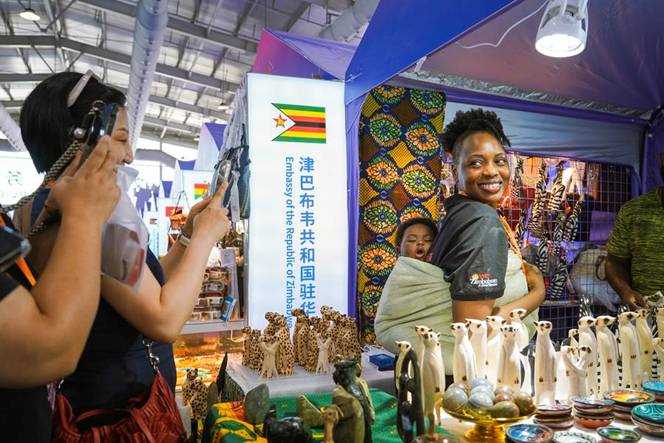
The strength of China–Zimbabwe cooperation is reflected not only in diplomatic language, but also in measurable outcomes.
In 2025, China was Zimbabwe's third-largest export destination, accounting for 16.9 percent of the country's total exports, according to Zimbabwe's trade promotion body ZimTrade.
Data released by the Chinese Embassy in Zimbabwe showed that bilateral trade reached a record $4.39 billion last year, driven by robust growth in Chinese exports and steady imports of Zimbabwe’s major agricultural products. This milestone underscores the expanding scale and strong momentum of economic engagement.
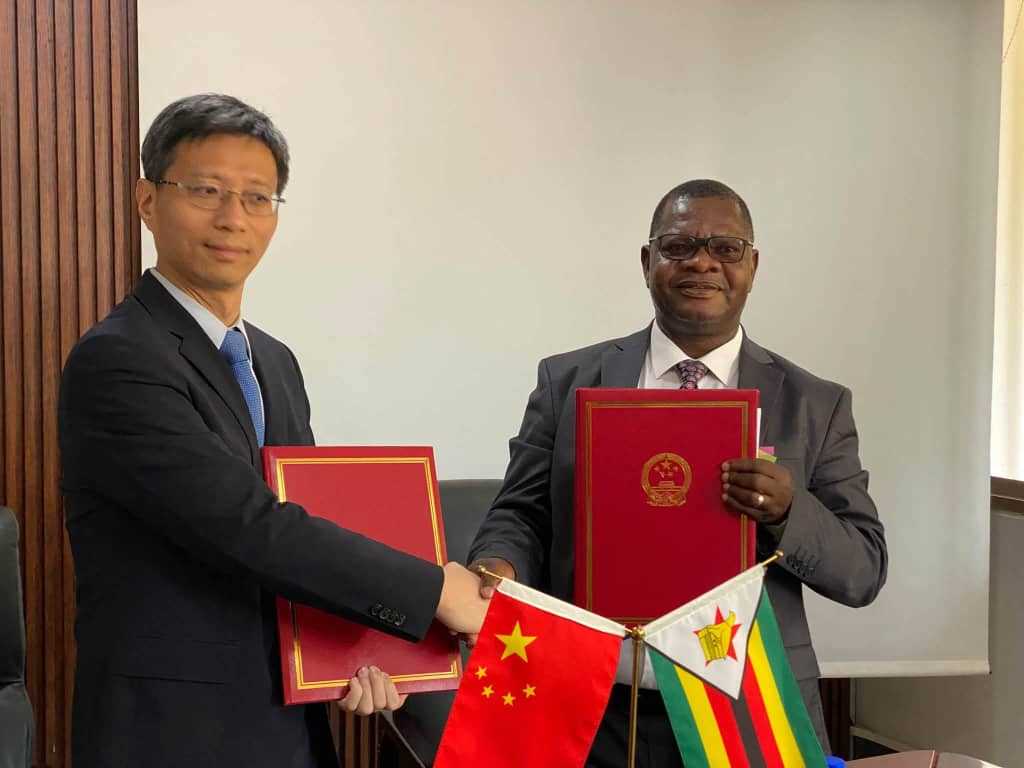
Recent agreements also highlight this momentum. In August 2025, Zimbabwe and China formalized an economic and technical cooperation agreement valued at around $55 million, alongside a separate pledge of about $6.9 million in food aid for Zimbabwe.
In December, the two countries also signed letters of exchange regarding the upgrading and maintenance of the China-aided irrigation schemes project, aimed at boosting Zimbabwe’s agricultural productivity and enhancing its resilience to climate change.
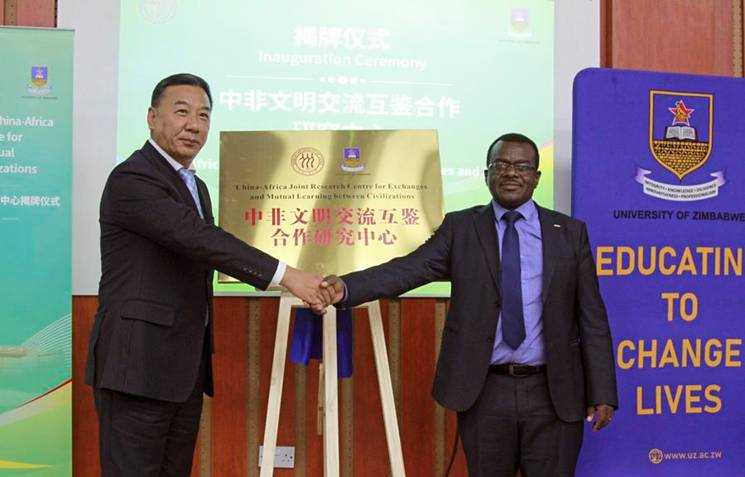
Beyond trade and agriculture, collaboration has extended into cultural and intellectual exchanges. The University of Zimbabwe, in collaboration with Renmin University of China, launched the China-Africa Joint Research Center for Exchanges and Mutual Learning between Civilizations in 2024, aimed at producing cutting-edge research, and influential publications. This demonstrates that bilateral cooperation is no longer confined to “bricks and mortar,” but increasingly rooted in shared understanding and strong cultural ties.
Celebrating together

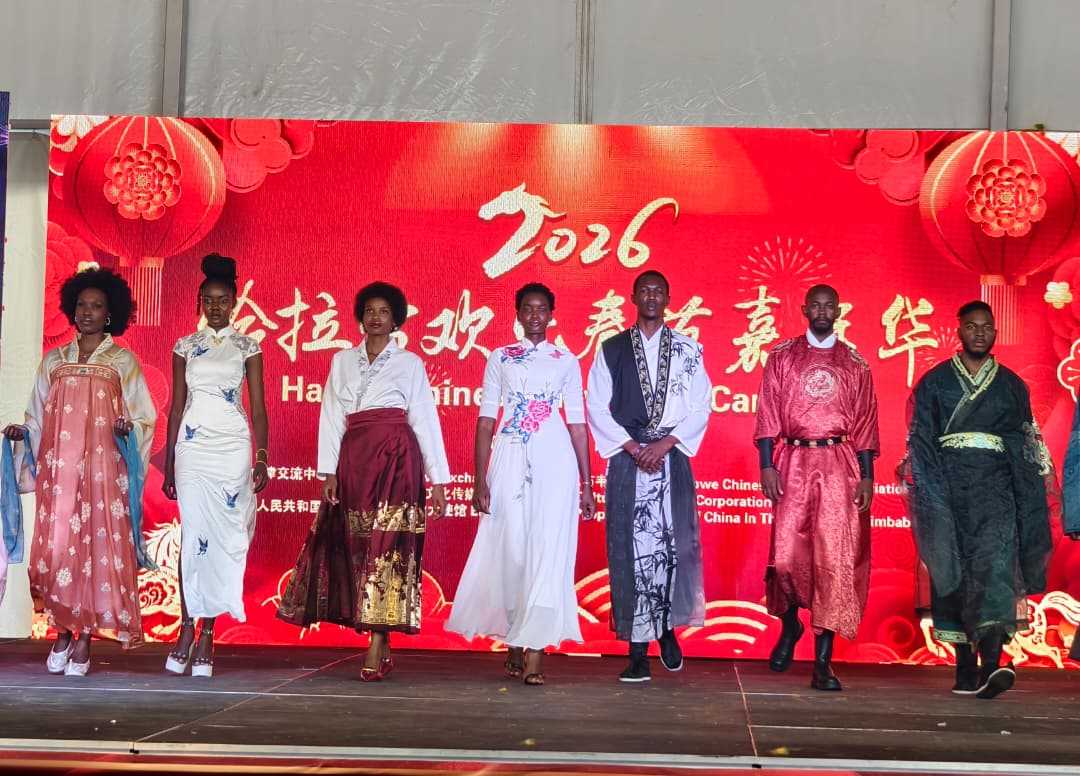
The cultural dimension of the partnership was vividly displayed in early February, when a vibrant Chinese New Year carnival was held in Harare, Zimbabwe's capital. Organized by the China-Zimbabwe Exchange Center and the Chinese Embassy, the event brought together artists and community members in celebration of the Year of the Horse.
Traditional Chinese martial arts and music performances, cuisine and exhibitions were warmly received by local attendees.
Celebrations like this are more than festive occasions; they are living expressions of people-to-people connection. They reflect a bond that is not only strategic, but social and cultural.
Zimbabwe's Deputy Minister of Sport, Recreation, Arts and Culture Emily Jesaya attended the carnival. She noted that the horse’s symbolism—strength, intelligence, vitality and unwavering purpose—represent not only Chinese values but also universal aspirations that are linked deeply with the Zimbabwean spirit.
These shared values offer a powerful metaphor for China–Zimbabwe relations: a partnership advancing steadily and confidently toward a shared future.
A year for people-to-people exchanges
The year 2026 has been designated as the China–Africa Year of People-to-People Exchanges, marking 70 years since the establishment of diplomatic relations between China and African countries. Nearly 600 cultural and exchange activities are planned throughout the year, spanning youth programs, education, tourism, sports, science and technology, media cooperation and other fields.
For Zimbabwe, these engagements will be catalytic, empowering the next generation through dialogues and academic cooperation, while leveraging the role of people-to-people exchanges in national development.
As the Year of the Horse unfolds, Zimbabwe and China are poised to deepen a friendship that not only honors history, but actively shapes a more connected and prosperous future for both nations and the broader China-Africa partnership.







Leave Comments