








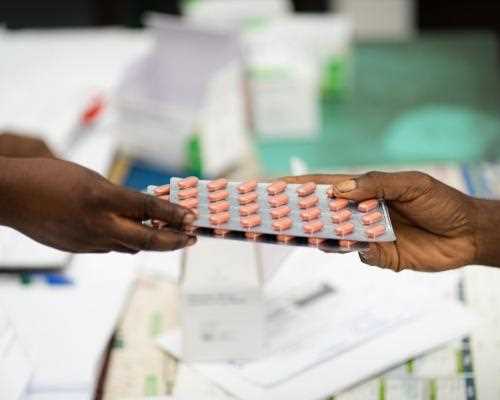
Despite decades of progress, tuberculosis remains one of the world’s deadliest infectious diseases, killing nearly 3,500 people every day even as global interventions have saved an estimated 83 million lives since 2000.
The latest global outlook from World Health Organization shows a stark contrast between success and unfinished business, with close to 30,000 new infections recorded daily, highlighting the scale of the challenge that still confronts health systems worldwide
WHO Director-General Tedros Adhanom Ghebreyesus said while gains in testing, treatment and prevention have reshaped the fight against TB, they have not yet translated into victory.
“Global efforts to combat tuberculosis have saved an estimated 83 million lives since 2000,” he said.
“Every single day, nearly 3,500 people die from TB, and close to 30,000 fall ill.”
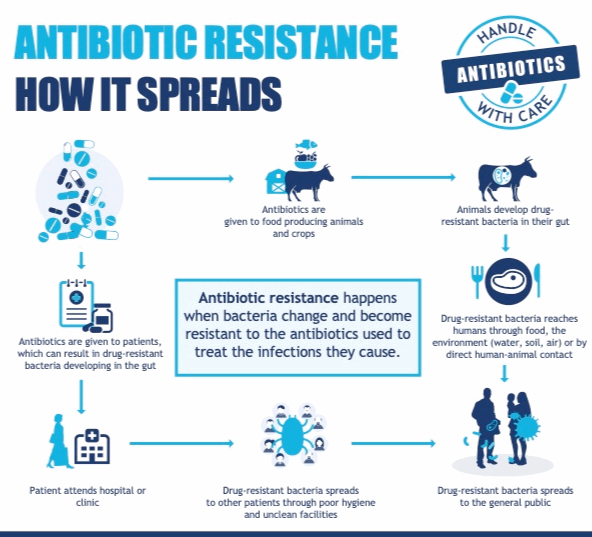
The persistence of TB is closely tied to deeper structural challenges, including poverty, inequality and rising antimicrobial resistance, which continue to fuel transmission and limit access to care in vulnerable communities.
“TB remains one of the world’s deadliest infectious diseases, and a major driver of poverty, inequality and antimicrobial resistance,” said Ghebreyesus.
Ambitious global targets adopted in recent years are now under pressure as funding constraints threaten to slow momentum, raising concerns about whether progress can be sustained at the pace required.
“At the UN General Assembly in 2023, world leaders adopted bold new targets to end TB.
“Since then, the world has changed dramatically, and funding cuts make it much more difficult to reach those targets.
“But that doesn’t mean we give up on them. Far from it. It just means we work harder and smarter,” he said.
Efforts are increasingly shifting towards ensuring that medical innovations reach those most in need, with a focus on expanding access to faster diagnostics, improved treatment regimens and preventive care.
Related Stories
“Over the past year, we have delivered new policies, guidelines and tools to expand access to rapid diagnostics, shorter and fully oral treatment regimens, better care for children, and stronger TB prevention,” he said.
At the same time, attention is turning to future solutions, including vaccine development, as part of a broader strategy to accelerate progress.
“And through the TB Vaccine Accelerator, we’re supporting countries to prepare for the rapid integration of new TB vaccines into health systems should they succeed in phase three trials.
“Because tools are useful when they reach the people who need them,” he said.
Beyond the health impact, the economic case for tackling TB is becoming increasingly clear, with returns far outweighing investment.
“Every dollar invested in TB generates up to 43 dollars in health and economic returns — through stronger economies, healthier workforces and more resilient societies,” he said.
Experts say the next phase of the response will depend on people-centred approaches that prioritise access, affordability and community involvement.
“TB services must be accessible, affordable, stigma-free and community-driven.
“Civil society and people affected by TB must be partners, not afterthoughts,” said Ghebreyesus.
While the global fight faces mounting challenges, health authorities maintain that ending TB remains achievable, provided efforts are sustained and scaled.
“Ending TB is achievable, even in today’s challenging global environment.
“Led by countries. Powered by people. Yes we can end TB,” he said.






Leave Comments