






There is a quiet rhythm to the trade relationship between Zimbabwe and India — steady and familiar, yet still searching for its full expression. Rooted in decades of political solidarity and mutual respect, the partnership carries undeniable promise.
In the marketplace, however, that promise is still unfolding, shaped by structural imbalances, persistent barriers and a shared ambition to do more.
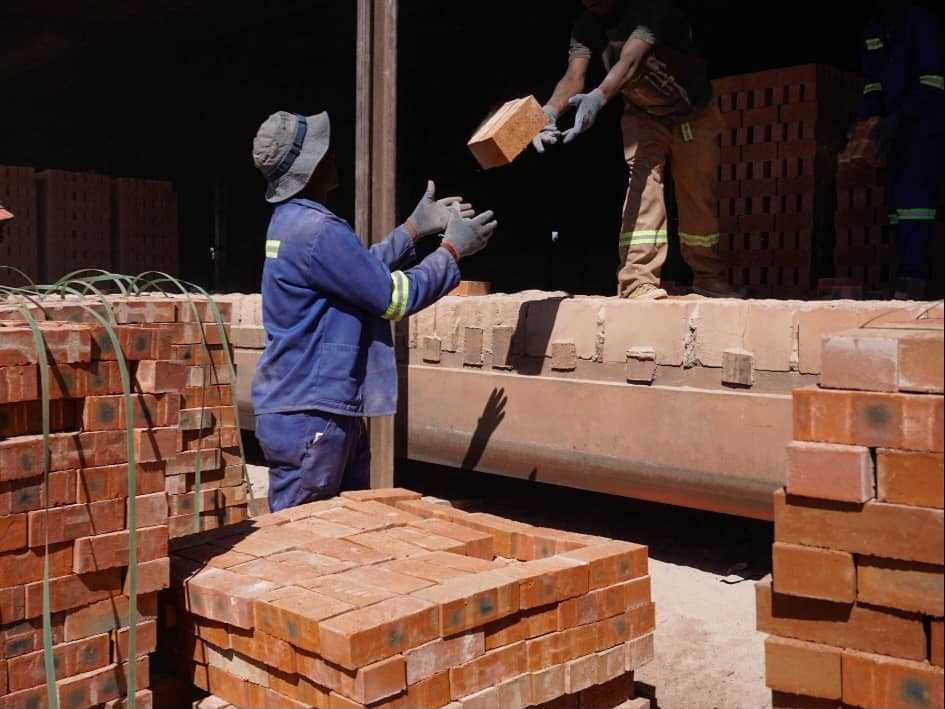
At its core, the structure of trade between the two countries tells a familiar story. Zimbabwe largely exports primary commodities — raw and unprocessed goods vulnerable to price fluctuations. Shipments of cotton, wood products, citrus, fruits and other agricultural produce make their way eastward, feeding into India’s vast and expanding market.
Alongside these are everyday materials that reflect Zimbabwe’s resource base rather than its industrial capacity.
In return, India exports higher-value finished goods to Zimbabwe. Machinery, pharmaceutical products and industrial inputs dominate this flow, underscoring a classic asymmetry: one country supplies raw materials while the other delivers value-added products. The pattern reflects deeper questions around industrialisation, value chains and long-term economic transformation.
As Munetsi Madakufamba of the Southern African Research and Documentation Centre observes, the imbalance is not accidental.
“Zimbabwe largely exports primary goods while importing high-value finished products. That structural imbalance matters. It affects jobs, value creation and long-term growth and development,” he says.
Yet beneath this imbalance lies vast and largely untapped opportunity.
India’s expanding economy, with rising demand for agricultural inputs and processed goods, aligns closely with Zimbabwe’s production potential. Agriculture stands out as a particularly fertile area for growth. From macadamia nuts and sugar to pulses and citrus, Zimbabwe possesses both the land and climate needed to scale up exports significantly.
There is also growing interest in strengthening dairy production — an area where Zimbabwe continues to face deficits even as it sources machinery and spare parts from India to support the sector.
Pharmaceuticals represent another critical pillar of cooperation. India, often described as the pharmacy of the developing world, supplies essential medicines and technologies vital to Zimbabwe’s healthcare system. The relationship holds further potential, particularly if local manufacturing and technology transfer are expanded.
But if opportunities are clear, so too are the obstacles.
Related Stories
Trade between Zimbabwe and India does not move without friction. High tariffs remain a significant constraint, raising business costs and limiting competitiveness. Zimbabwe’s duty structures, while designed to protect local industries, can also discourage the importation of essential inputs and complicate trade flows.
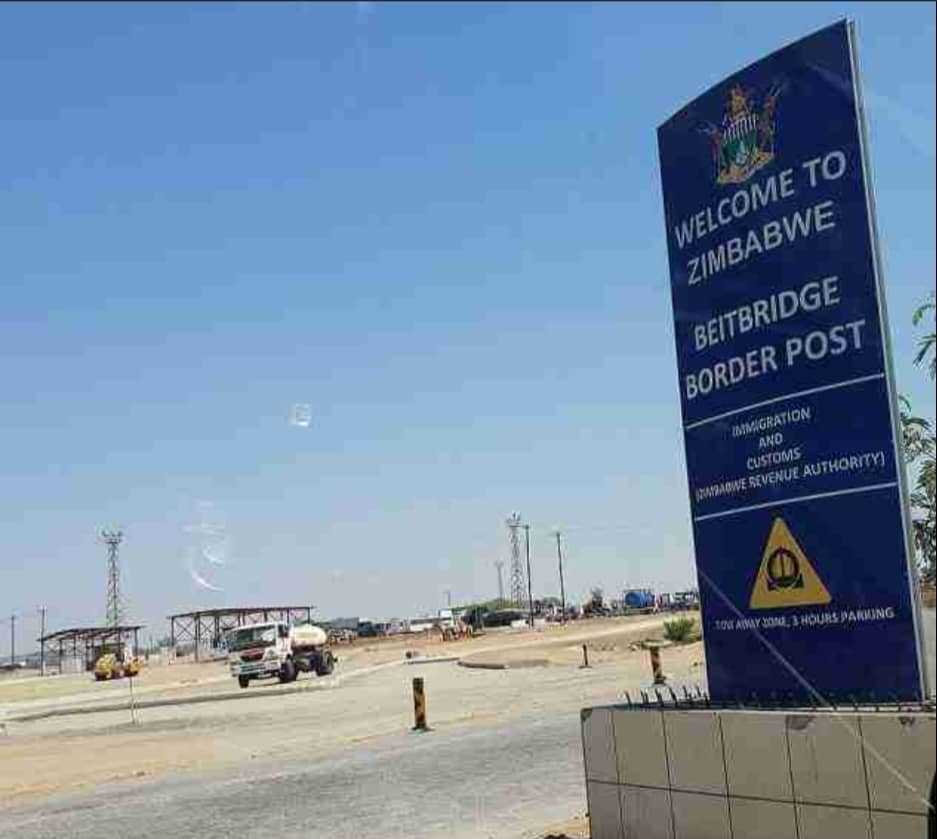
Beyond tariffs, non-tariff barriers continue to slow progress. Regulatory requirements, certification processes and administrative hurdles create delays that ripple across supply chains. Logistics present an additional challenge, with transport and infrastructure bottlenecks increasing both time and cost.
Delivery delays have become an increasingly pressing concern for businesses on both sides. In a global economy where speed and reliability are critical, even minor disruptions can erode trust and profitability.
There is also the lingering impact of sanctions and their legacy effects. While not always directly targeting trade with India, these measures have shaped Zimbabwe’s financial and logistical systems in ways that complicate international transactions and limit access to certain markets and services.
For Bramah Kumar, progress lies less in new ideas and more in implementation.
“India is consistently working on diversifying its trading relations, market orientation and supply chains,” he says, adding that establishing key frameworks will be essential to strengthening business-to-business relations.
It is a sentiment echoed across the partnership: the frameworks exist, goodwill remains strong, but execution has been uneven.
Yet a quiet optimism persists.
Indian investment across multiple sectors signals long-term commitment to the relationship. More importantly, it reflects a shared understanding that trade is not merely about exchange but about transformation.
For Zimbabwe, the challenge is clear — to move up the value chain, diversify exports and strengthen domestic industries so that trade becomes a driver of development rather than a reflection of dependency. For India, the opportunity lies in deepening engagement not only as a buyer and supplier but also as a partner in industrialisation, technology transfer and capacity building.
As Madakufamba notes, the issue is not a lack of ideas but a gap between intention and action.
“The challenge is not ideas, but turning agreements into action to transform goodwill into real economic outcomes.”
Within that gap lies the future of Zimbabwe–India trade — one that will be defined not only by what is traded, but by how it is traded: whether raw materials give way to processed goods, barriers are reduced and partnerships evolve from transactional to transformative.
The relationship already rests on a strong foundation. What remains is deliberate and consistent effort to ensure the structure of trade reflects not just potential, but tangible achievement.







Leave Comments