









Despite being separated by thousands of miles, Zimbabwe and China share striking cultural parallels that continue to deepen people-to-people ties and strengthen cultural diplomacy between the two nations.
At the heart of both societies lies a shared reverence for tradition, ancestors, community cohesion, and respect for nature—values that transcend geography and reinforce mutual understanding.
A key cultural link between Zimbabwe and China is the veneration of ancestors. In China, the Qingming Festival is observed each spring, when families visit ancestral graves to clean them and offer food or incense. As Eric Mupona explains, “Qingming… boasts a history of over 2,000 years and remains one of the most vital occasions for the Chinese people.”
Literally meaning “clean and clear,” the festival falls around April 5 and forms part of China’s lunisolar calendar, blending seasonal change with spiritual remembrance.
In Zimbabwe, similar ancestral reverence is expressed through ceremonies such as the Bira, where families and communities gather to connect with ancestral spirits through music, dance, and ritual. Practices such as Kurova Guva, which symbolically reintegrates the deceased into the spiritual realm of the family, reflect the belief that ancestors remain active participants in the lives of the living.
In both cultures, the dead are not forgotten; they are regarded as guiding forces that protect, advise, and preserve family continuity.
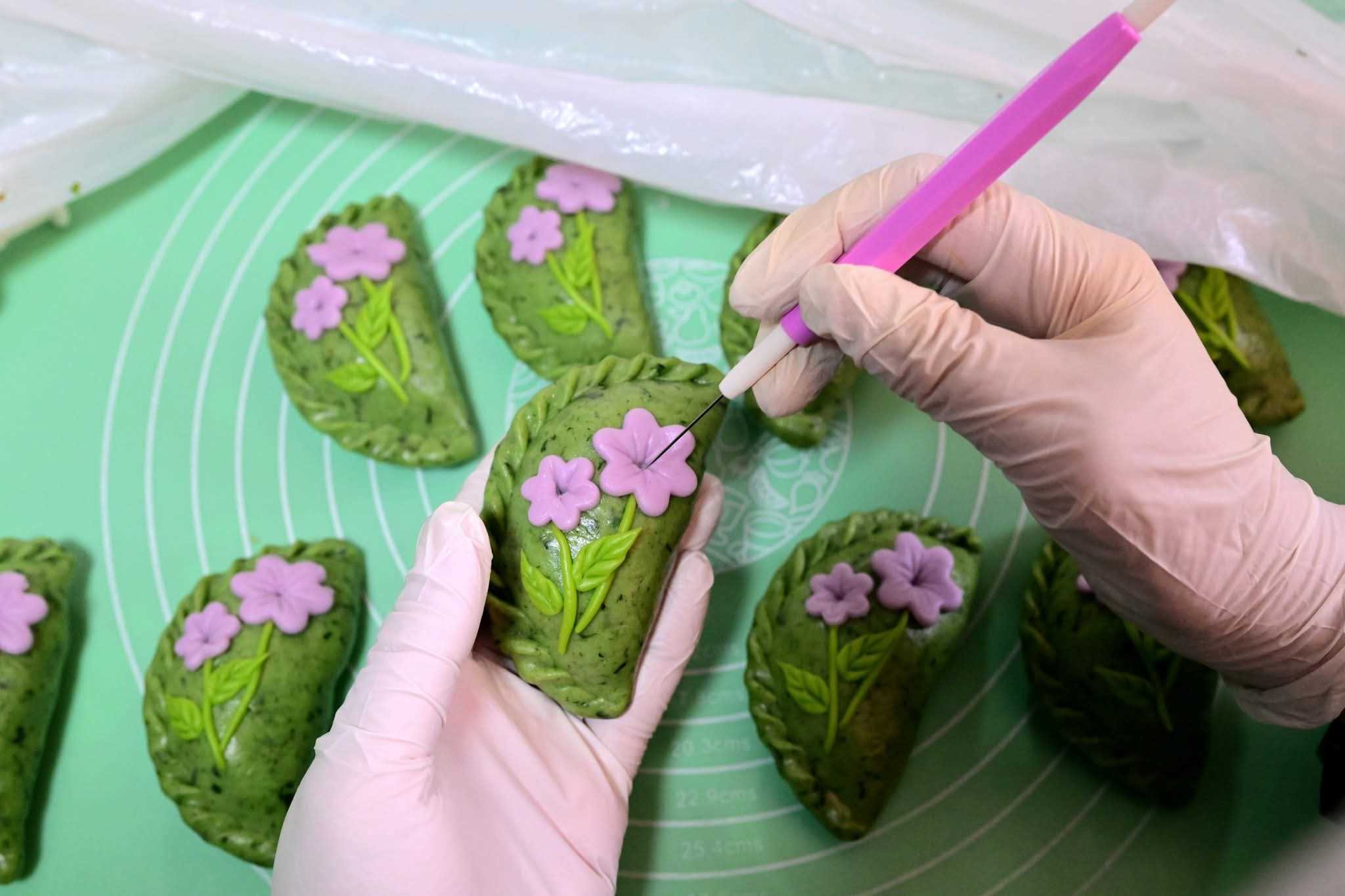
Food traditions also play a symbolic diplomatic bridge between the two cultures. In China, seasonal foods such as Qingming Guo are prepared during the Qingming Festival, reflecting harmony between nature, memory, and family.
Related Stories
In Zimbabwe, traditional foods like sadza are central to ceremonies and communal gatherings, often shared among both the living and in spiritual observances. In both societies, food extends beyond nourishment to become a cultural expression of identity, continuity, and belonging.
Beyond ritual practice, Qingming carries agricultural and philosophical meaning. As a solar term, it signals seasonal transition, marking rising temperatures and increased rainfall that support planting. Mupona notes that this period inspired agricultural wisdom such as “Plant melons and beans around Qingming.”
Similarly, Zimbabwean rainmaking and harvest ceremonies reflect a deep-rooted connection between people, land, and seasonal cycles, reinforcing sustainable relationships with nature.
Community and family cohesion remain central pillars in both cultures and serve as important instruments of cultural diplomacy. Qingming is not only a time of remembrance but also of reunion, as families travel long distances to gather. It is now observed as a three-day national holiday in China, with some families also honouring revolutionary martyrs. In Zimbabwe, traditions such as Bira and communal systems like Zunde Ramambo—where communities collectively cultivate food for vulnerable members—reflect similar values of solidarity and shared responsibility.
At a philosophical level, both cultures are anchored in moral values that strengthen social harmony. Mupona highlights that Qingming embodies filial piety, emphasizing “deep respect, obedience, and care for parents, elders, and ancestors.” These ideals closely mirror Zimbabwe’s Hunhu/Ubuntu philosophy, which prioritizes humanity, respect, and interconnectedness. Such shared ethical frameworks contribute to stronger cultural understanding and diplomatic goodwill between the two nations.
Both Zimbabwean and Chinese traditions also reflect a deep respect for nature and seasonal cycles. Qingming celebrates spring and renewal, encouraging reflection and outdoor engagement, while Zimbabwean cultural practices tied to agriculture and spirituality similarly emphasize harmony between people, ancestors, and the environment.
While Zimbabwe and China differ in language, geography, and historical trajectories, their cultural foundations reveal meaningful parallels that continue to support cultural exchange and diplomatic engagement. These shared values—ancestry, community, respect for nature, and moral duty—serve as bridges of understanding, strengthening relations beyond politics and economics.
In this way, cultural diplomacy becomes a living expression of how both nations honour the past, engage the present, and shape a shared future rooted in mutual respect.








Leave Comments