








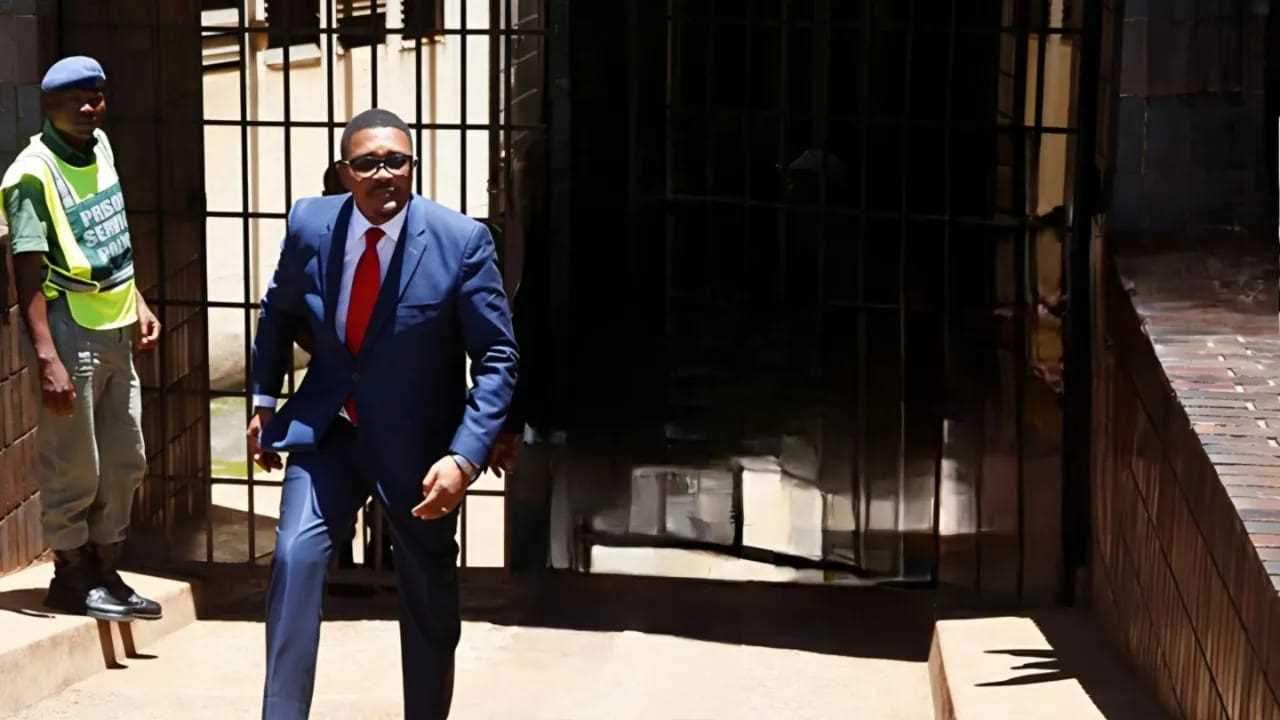
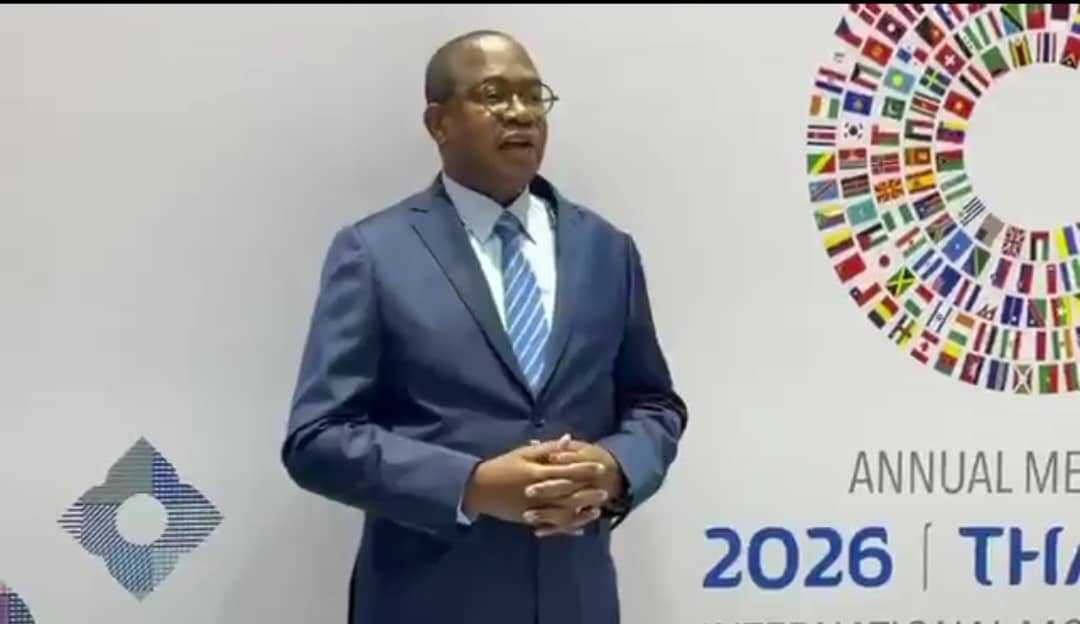
For years, Walter Mzembi was a polished face of Zimbabwe’s political elite — a diplomat and strategist who rose through Cabinet ranks and became one of the country’s most visible international representatives in tourism and foreign affairs.
Today, however, his public voice has shifted sharply away from politics, taking on a reflective and spiritual tone following his political downfall, exile and time in prison.
The former minister’s transformation has become more pronounced since his acquittal in May 2026, with his public remarks focusing less on political positioning and more on themes of faith, survival and personal reflection.
“Prayer works,” Mzembi wrote after his release, describing prison as a place where inmates “pray unceasingly 24/7” and where many “find God inside.” He also referenced prayer sessions and fasting programmes within Harare Remand Prison.
The shift marks a clear departure from the political language that once defined him during his years in government under ZANU-PF.
Between 2009 and 2017, Mzembi served as Tourism Minister and later Foreign Affairs Minister, positioning himself as part of Zimbabwe’s international rebranding efforts. A career highlight came in 2013 when Zimbabwe co-hosted the UNWTO General Assembly with Zambia.
Within ZANU-PF succession politics, he was linked to the Generation 40 (G40) faction aligned with Grace Mugabe. His appointment as Foreign Affairs Minister in October 2017 came shortly before the military intervention that led to the ouster of Robert Mugabe — a period widely seen as the collapse of the G40 political project.
Related Stories
Following the political transition, Mzembi was expelled from ZANU-PF, faced corruption allegations and went into exile in South Africa in 2018, joining a growing list of former ruling party officials navigating political survival outside the state structures that once protected them.
Even in exile, he remained politically active. In 2023, he resurfaced as a supporter and strategist for Saviour Kasukuwere’s unsuccessful presidential bid, suggesting that his political ambitions were not entirely extinguished despite his fall from power.
However, his post-release messaging now signals a noticeable withdrawal from direct political engagement, replaced by personal reflection and spiritual framing of his experiences.
Mzembi has described prison as a “social equaliser,” saying it exposed him to the realities of prolonged detention, overcrowding and inmates abandoned within the justice system — an observation that indirectly touches on long-standing criticisms of Zimbabwe’s judicial and correctional systems.
His reflections also highlight the role of religion inside correctional facilities, where prayer and fasting often serve as coping mechanisms in the absence of structural support or rehabilitation systems.
The shift in tone is significant for a figure once deeply embedded in factional politics and statecraft. Instead of political mobilisation, defence, or critique, his messaging now centres on endurance, forgiveness and personal transformation — a language more commonly associated with political rehabilitation narratives than active political actors.
While it remains unclear whether this represents a permanent departure from politics or a strategic reinvention in a fluid political environment, Mzembi’s public identity has clearly shifted from political operator to reflective voice shaped by lived experience.
His evolution reflects a familiar pattern in Zimbabwean politics, where former power holders re-emerge after political collapse with reshaped identities that blend personal survival, moral reflection and gradual attempts at public repositioning.
.





Leave Comments