






By Simbara she Namusi
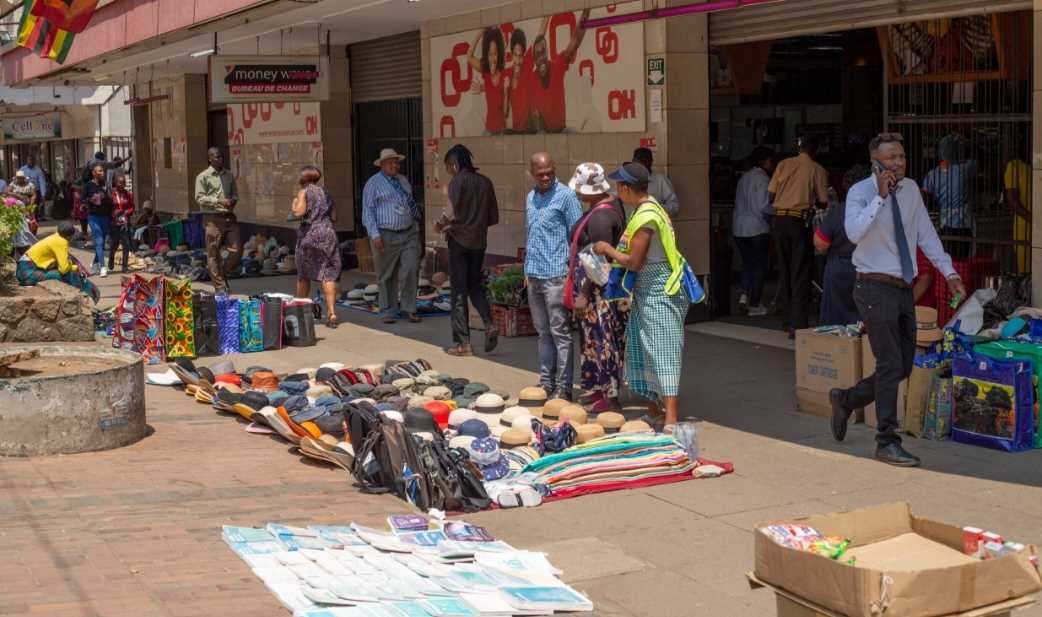
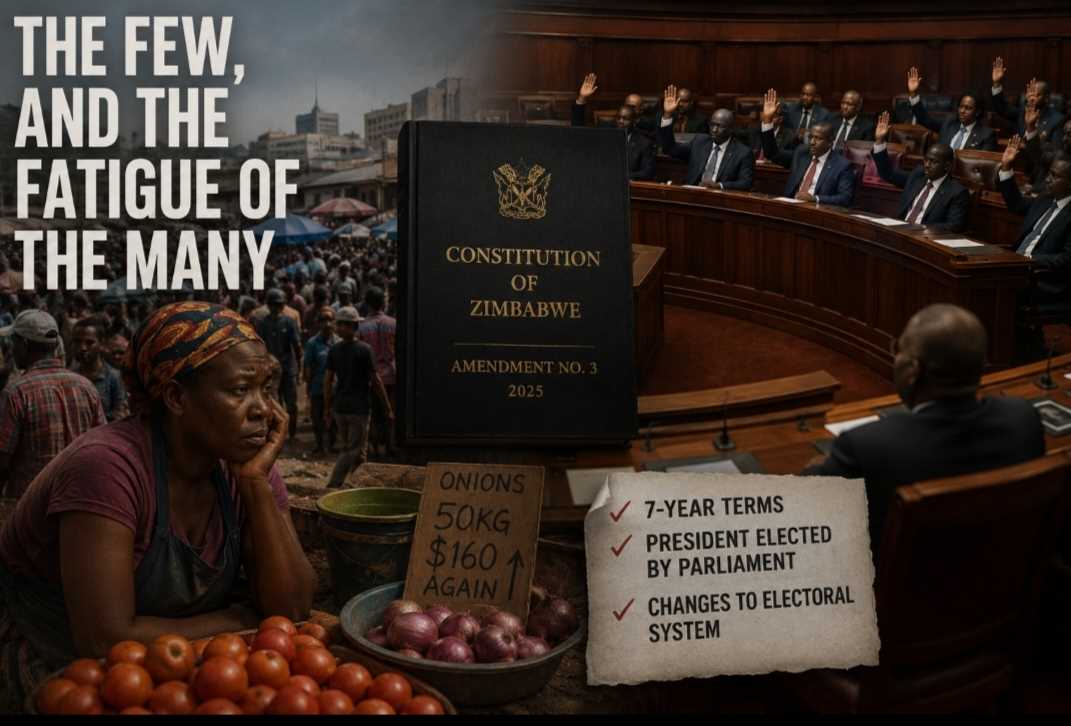
Mai Bertha sells tomatoes at the corner of Fourth Street. She has done so for 11 years. When I asked her last week what she thought about the new constitutional amendments, she did not look up from arranging her display.
“Ndozviita sei?” she said. What can I do about it?
Then she returned to the issue that had occupied her attention: the price of a 50-kilogram bag of onions, which had gone up again for the third time this year.
That response is easy to mistake for indifference. It is not. It is a calculation.
For Mai Bertha, like many Zimbabweans managing daily survival, attention is a limited resource. She has to decide where her energy matters most. At this moment, Parliament and constitutional debates feel far removed from the immediate realities of running a small business, feeding a family and managing rising costs.
On 7 July, President Emmerson Mnangagwa signed the Constitution of Zimbabwe Amendment No. 3 into law, introducing some of the most significant changes to the country’s constitutional framework since the adoption of the 2013 Constitution.
The amendments extend presidential and parliamentary terms from five years to seven years, alter aspects of the electoral framework and provide for the election of the President through a joint sitting of Parliament rather than a direct presidential vote by citizens.
The government’s argument has been that the reforms will promote political stability, reduce election-related tensions and provide a longer planning horizon for national development programmes such as Vision 2030.
It is an argument that has been consistently advanced by government and its supporters. A longer political cycle, they argue, allows administrations more time to implement policies without the disruption associated with frequent elections.
But a policy argument and a question of public confidence are not always the same thing.
The process surrounding the amendments has been one of the most contested aspects of the debate. Civil society organisations, including Amnesty International Zimbabwe, the Constitutional Defenders Forum and the National Constitutional Assembly, raised concerns about the quality of public consultations, alleging disruptions, intimidation and restrictions affecting some groups opposed to the reforms.
Supporters of the amendments, however, argue that Parliament acted within the constitutional procedures for amending the country’s supreme law. Their position is that elected representatives have the authority to debate and approve constitutional changes through the mechanisms provided by the Constitution itself
At the heart of the disagreement is a deeper question: when changes affect the way citizens choose their leaders, should Parliament alone decide, or should citizens themselves have the final say?
Related Stories
The numbers tell part of the story.
The National Assembly passed the Bill by 216 votes to 42. The Senate approved it by 75 votes to four, with one abstention. In the final vote, 226 legislators supported the amendments while 41 opposed them.
Those figures demonstrate the strength of the parliamentary majority behind the changes. But they also explain why critics continue to argue that such far-reaching constitutional reforms require broader public involvement
Some constitutional lawyers and civic groups have argued that provisions affecting the election of the President raise questions under Section 328 of the Constitution and should require a referendum. Government lawyers have disagreed with that interpretation.
The legal debate remains contested, but the political question is clear: who should have the final voice when the rules of governance are changed?
For Mai Bertha, however, these debates exist alongside another reality.
She is not disconnected from the country’s future. She is simply dealing with the present.
Her priorities are immediate: the cost of stock, school fees, transport and whether her business can survive another month.
This is the challenge facing constitutional conversations in societies where economic pressures are overwhelming. Important debates about governance often compete with urgent questions of survival.
The risk is not that citizens stop caring about democracy. It is that repeated experiences of distance from decision-making can create resignation — a belief that major decisions will continue to be made far away from ordinary people’s daily lives.
Mai Bertha sold out of tomatoes before noon.
She will return tomorrow to the same corner, facing the same calculations.
The Constitution will also remain, shaping Zimbabwe’s political future and continuing a debate about participation, representation and who gets to influence the country’s direction.
Simbarashe Namusi is a peace, leadership and governance scholar writing in his personal capacity.







Leave Comments