








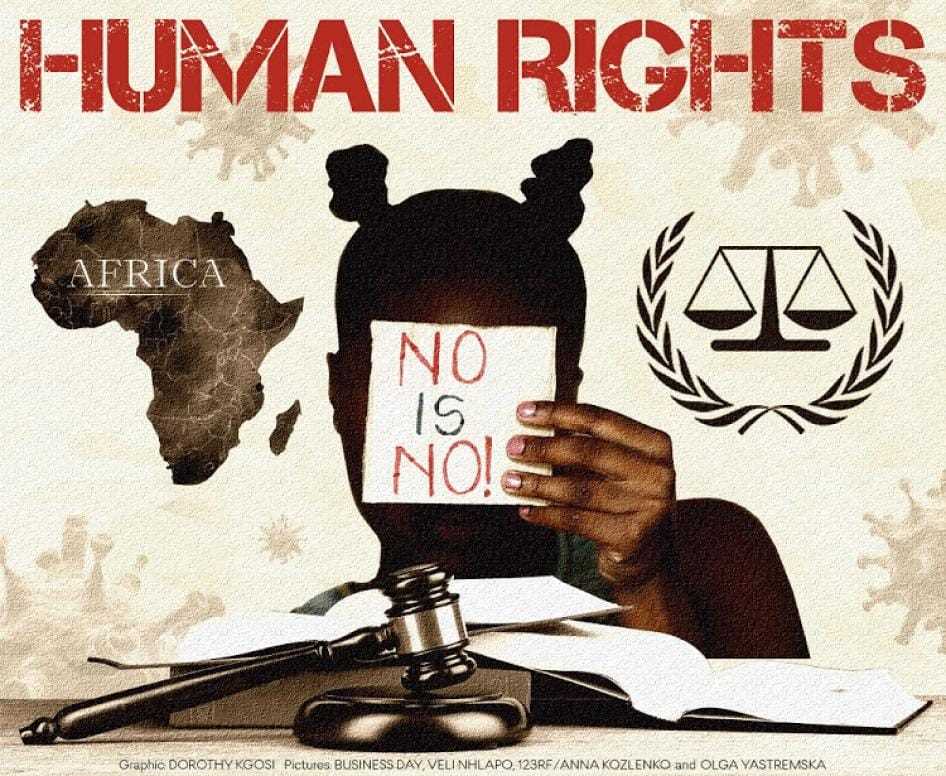
A baseline of social, economic and political vulnerability has been exposed across Zimbabwe after the country's leading peace-building and accountability watchdog documented 228 distinct human rights violations directly affecting 5,996 citizens during June 2026.
In its newly released June 2026 Human Rights Monitoring Report, the Zimbabwe Peace Project (ZPP) detailed a worrying pattern of localised intimidation and broader structural changes that it says are systematically reshaping the nation's democratic landscape. Of the nearly 6,000 victims recorded, the organisation's data shows an almost equal gender split, with 3,071 men and 2,925 women affected.
The report also identified 72 persons with disabilities who were directly subjected to the violations, highlighting the heightened vulnerability of marginalised groups in rural and peri-urban communities.
According to the watchdog, the figures were driven by continued infringements of constitutionally protected rights.
The organisation noted that June was marked by "continued violations of constitutionally protected rights, including threats to personal security, harassment and intimidation, restrictions on freedoms of expression, assembly and association, discrimination, denial of access to social services, and abuse of authority in the distribution of welfare".
According to the ZPP, these violations form part of a broader pattern that continues to undermine civic participation, political inclusion and equal access to public services.
A geographical analysis of the violations showed that Masvingo Province recorded the highest number of reported cases, followed by Manicaland, Harare and Mashonaland Central. The report said the widespread distribution demonstrates that "human rights concerns remain prevalent across the country".
Related Stories
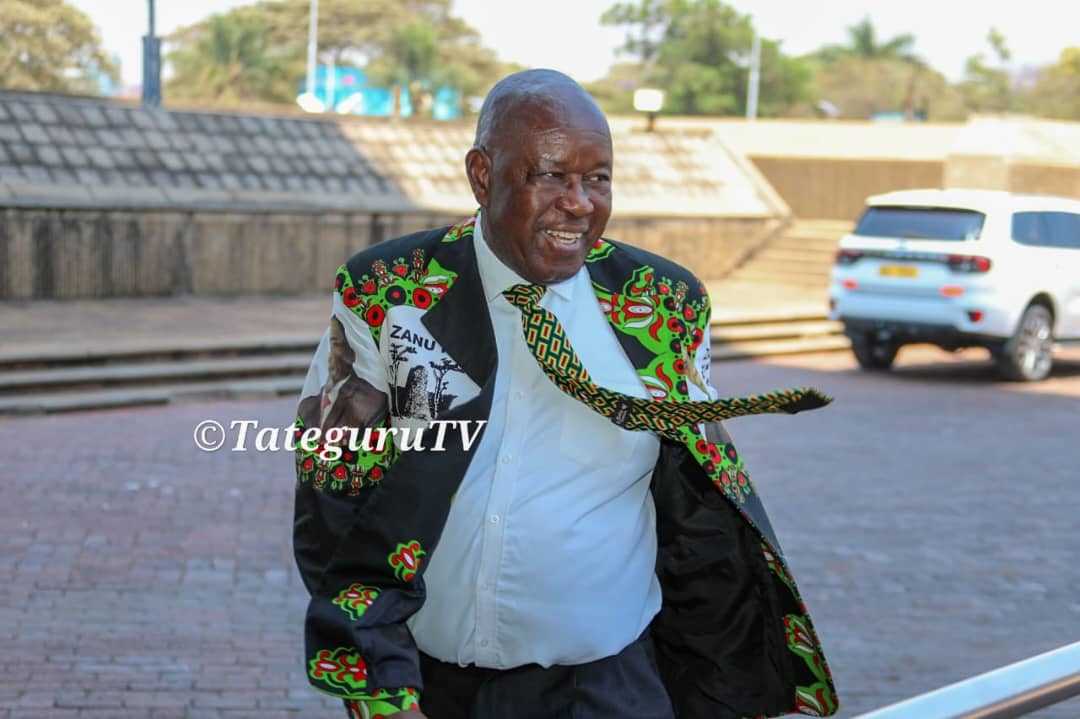
A breakdown of the alleged perpetrators indicated that while both state security agencies and non-state actors were implicated in the recorded violations, partisan actors accounted for the largest share. The rights body specifically stated that "ZANU PF members accounted for the largest proportion of documented violations".
Alongside physical intimidation and localised coercion, the ZPP also highlighted what it described as a growing shift towards digital harassment, "highlighting the growing use of digital harassment and intimidation against human rights defenders, political actors, students, and civic activists".
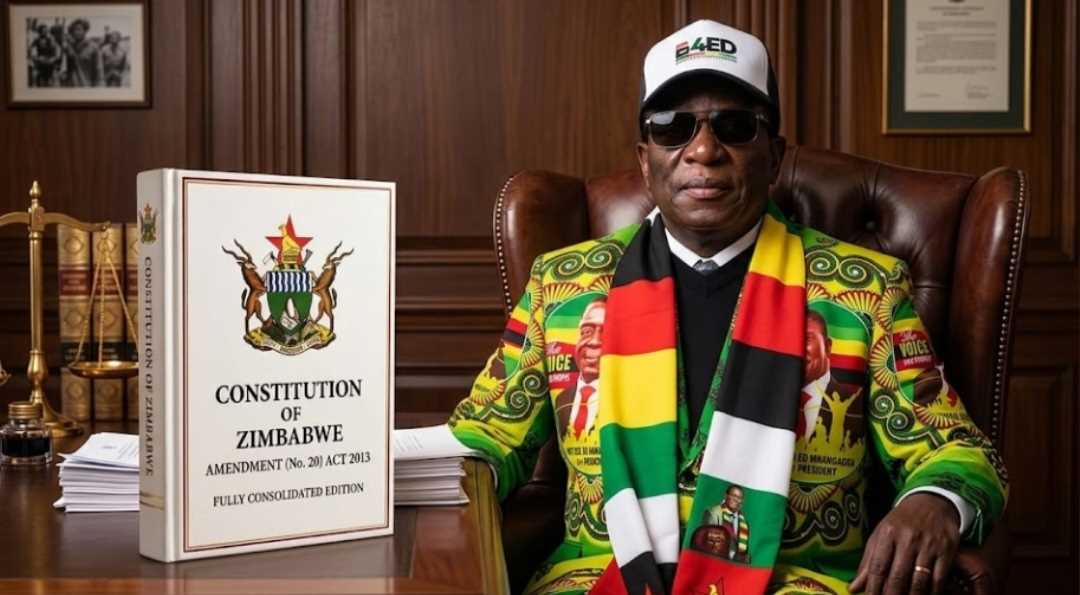
Beyond community-level violations, the report devoted significant attention to recent constitutional changes, specifically delivering an explicit critique of the newly enacted Constitution of Zimbabwe Amendment Act No. 6.
The legislation, which postpones harmonised elections from 2028 to 2030, introduces seven-year presidential terms and replaces the direct election of the President with selection through a parliamentary electoral college, passed its final reading in the National Assembly on June 18 and the Senate on June 24 before receiving presidential assent on July 7.
The ZPP report said it "examines the implications of Constitution Amendment Act No. 6 for democratic governance, judicial independence, and human rights", warning that consolidating extensive appointment powers within the Executive threatens the constitutional separation of powers.
The report comes as opposition leaders pursue a constitutional challenge in the Constitutional Court, arguing that the amendment unlawfully strips Zimbabweans of their voting rights and violates constitutional provisions requiring a national referendum.
Government officials and ruling party representatives, however, have defended the constitutional changes, arguing that the new presidential selection process and extended electoral timelines are necessary to strengthen governance and promote long-term economic stability.
Despite its criticism of governance issues, the ZPP welcomed what it described as the peaceful support extended to Zimbabwean returnees from South Africa. The organisation called for sustained, non-partisan government interventions to protect the returnees' rights and ensure their "dignified reintegration".




Leave Comments