






Zimbabwe is engaging with the International Monetary Fund and World Bank at the 2026 Spring Meetings in Washington, DC, focusing on economic stabilisation, growth, and job creation amid global volatility. The meetings, running from April 13–18, coincide with a staff-level agreement between Zimbabwe and the IMF under a 10-month Staff-Monitored Program from March to September 2026, aimed at consolidating macroeconomic gains and strengthening fiscal management.
The SMP establishes measurable targets and reporting commitments to guide Zimbabwe’s economic reforms. It is drawn from the National Development Strategy 2, which serves as the current national economic blueprint. The strategy was developed through extensive stakeholder consultations, particularly with citizens, and is expected to support broader engagement with the international community on arrears clearance and debt restructuring under the Structured Dialogue Platform.
Key agreements focus on maintaining fiscal discipline, protecting foreign-currency reserves, limiting new non-concessional borrowing, safeguarding social and priority spending, and enhancing transparency and accountability.
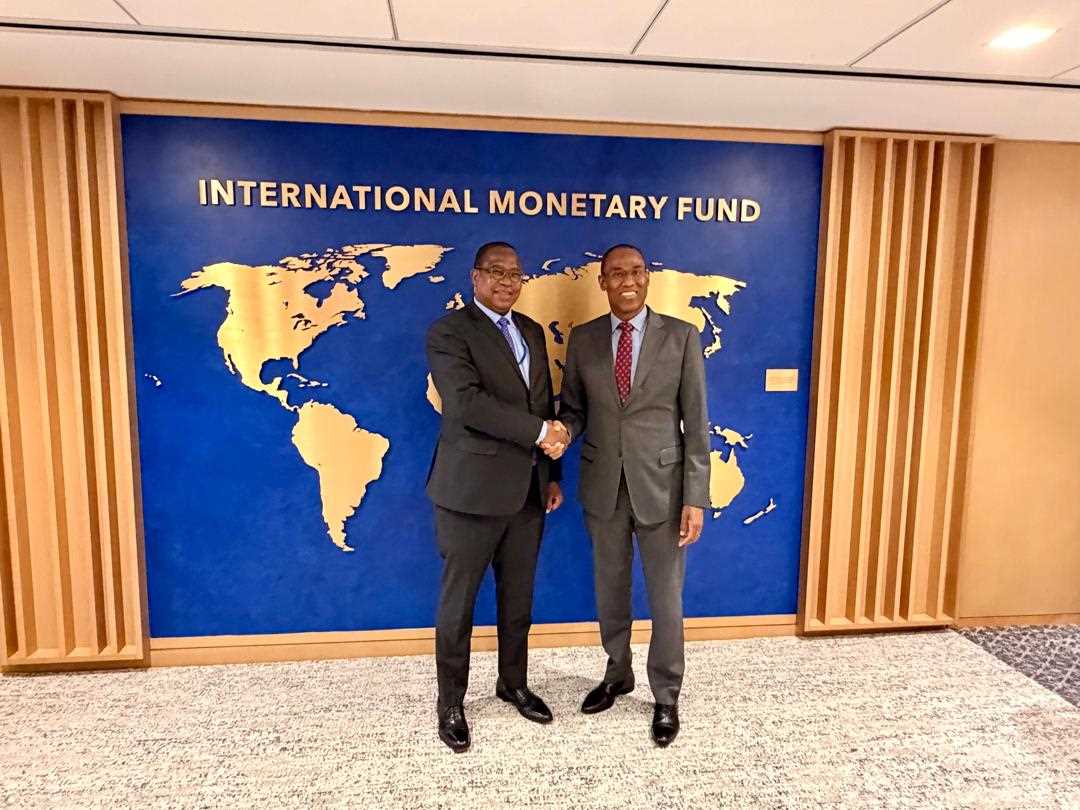
During meetings with IMF Executive Director Adriano Ubisse, outgoing Director of the African Department Abebe Selasie, and IMF Deputy Managing Director Nigel Clark, Finance Minister Hon. Prof. Mthuli Ncube briefed the IMF on Zimbabwe’s progress, highlighting achievements such as “achieving single-digit inflation, containing domestic debt, avoiding the accumulation of arrears and debt, strengthening tax administration, and improving public finance management, among other achievements.”
Related Stories
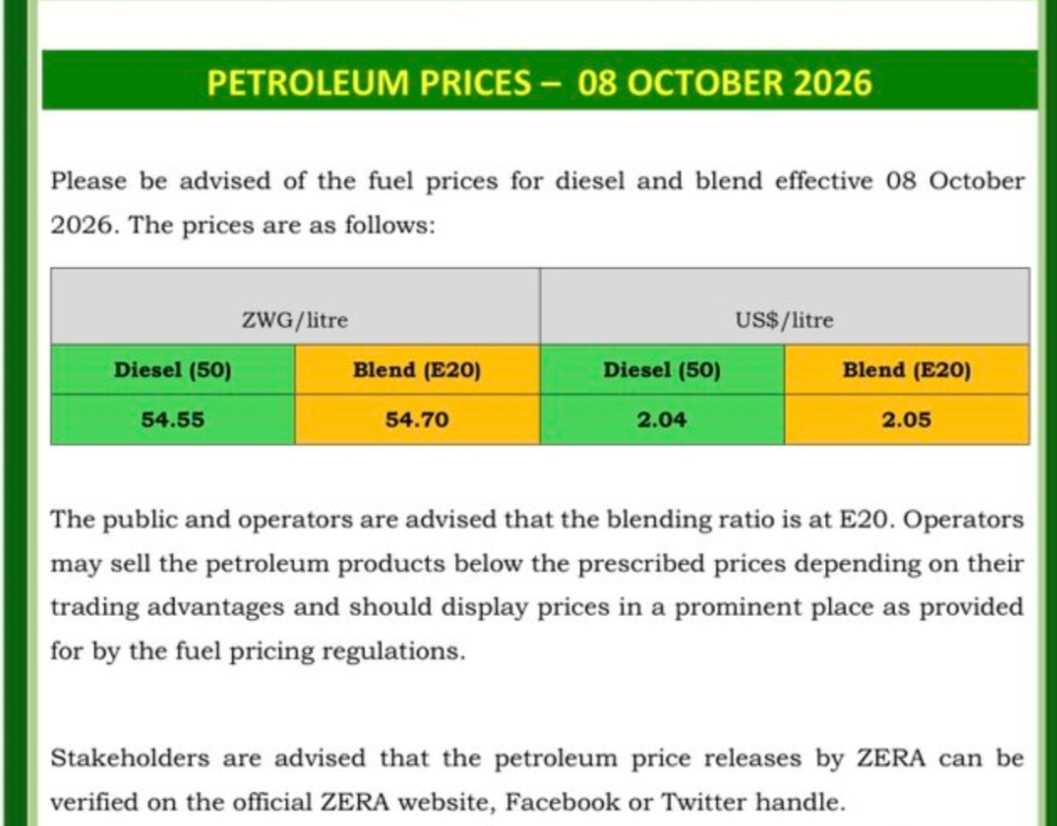
Zimbabwe’s domestic debt currently stands at an estimated US$18.4 billion, while foreign-currency reserves hover around US$2.1 billion, providing limited buffer against external shocks such as the recent surge in fuel prices. Inflation has stabilized at 9.7 percent year-on-year as of March 2026, following several years of double-digit inflation.
To manage fiscal pressures, the Government has adjusted employee compensation within the US$9 billion ceiling and initiated negotiations with suppliers to reduce domestic debt by up to 30 percent, addressing liabilities inflated through arbitrage pricing. A national pricing list has also been introduced to curb further debt accumulation.
Regarding arrears clearance, Zimbabwe has approached the World Bank and African Development Bank for bridge financing, which is one of the key topics of discussion during the Spring Meetings.
The IMF expressed confidence in the progress to date, urging Zimbabwe to remain vigilant against external shocks and to maintain a long-term perspective on the SMP.








Leave Comments