








Zimbabwe’s coffee sector is showing signs of recovery, but its growth trajectory is increasingly tied to compliance with strict international market requirements, particularly new European Union regulations on deforestation.
The shift places both opportunity and pressure on a sector now largely driven by smallholder farmers.
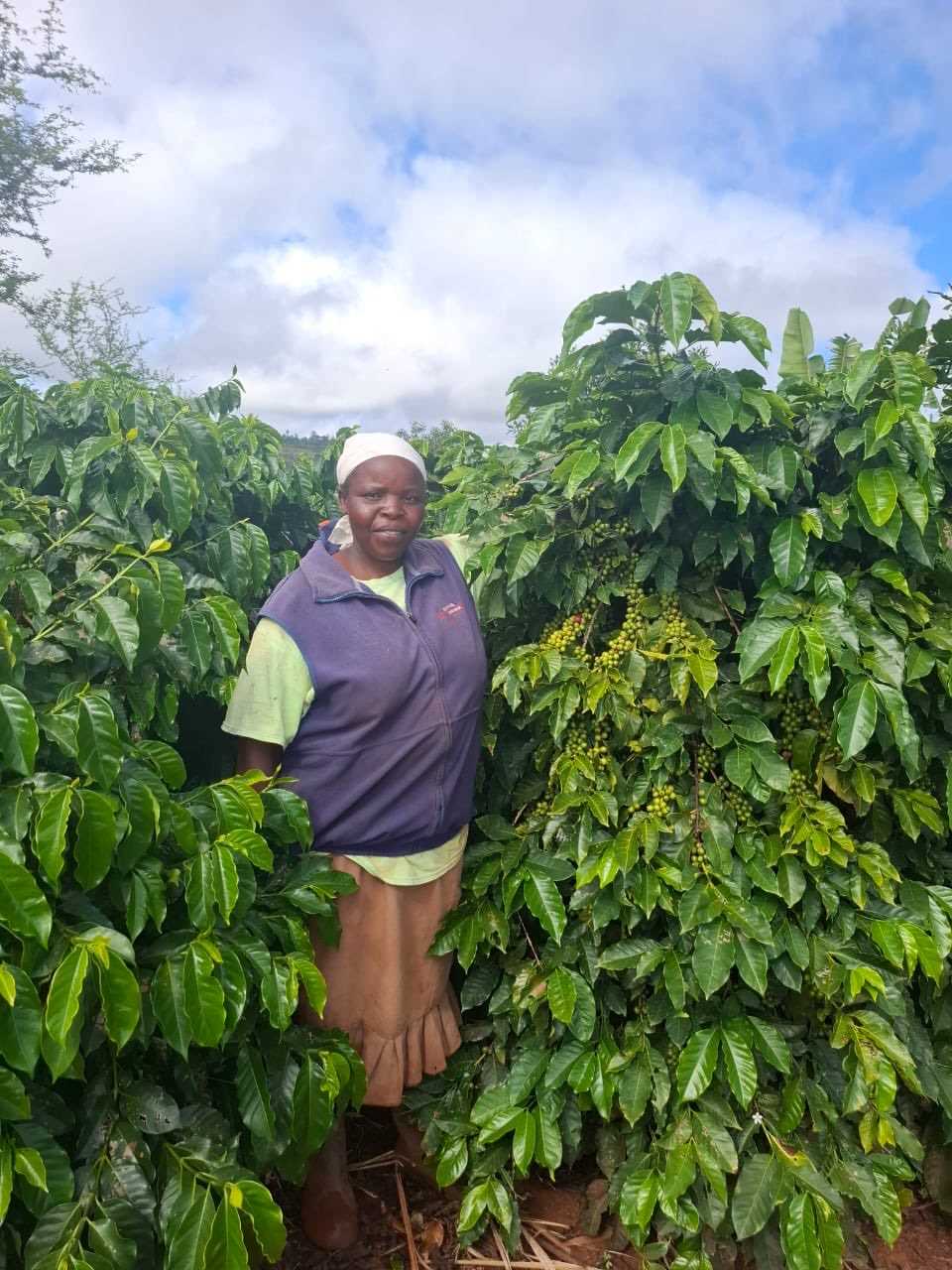
According to the Horticultural Development Council of Zimbabwe, the resurgence in coffee production is being underpinned by small-scale growers rebuilding output after decades of decline.
However, access to premium export markets—especially the EU, now depends on meeting traceability and environmental standards under the European Union’s deforestation regulation framework, which requires proof that commodities are not produced on recently deforested land.
Related Stories
HDC noted that compliance is no longer optional, emphasizing that farmers must adopt systems that “map, track and comply” with the new rules in order to remain competitive and sustain export access.
Zimbabwe’s coffee industry, once producing over 15,000 tonnes annually in the late 1980s, collapsed to below 500 tonnes at its lowest point, largely due to land reform disruptions, financing constraints, and loss of large-scale estates.
Recent recovery efforts have pushed output closer to 1,000–1,500 tonnes per year, with smallholders now accounting for the majority of production, particularly in Manicaland.
The EU remains a critical market for African coffee, accounting for over 30 percent of global imports, and typically offering premium prices for traceable and sustainably produced beans. However, compliance with the EU Deforestation Regulation, which comes into force in 2025–2026, requires geolocation data for farms, supply chain traceability, and verification systems, capabilities that many smallholder farmers currently lack.
This creates both a barrier and an incentive. On one hand, non-compliance risks excluding Zimbabwean coffee from high-value markets. On the other, successful adaptation could allow farmers to access premium pricing, which can be 20–30 percent higher for certified and traceable coffee.
Efforts by HDC and partners are therefore focused on closing this gap through farmer training, digital mapping, and supply chain monitoring systems. These interventions aim to formalise production systems and improve data credibility, which is increasingly a prerequisite for export competitiveness.






Leave Comments