





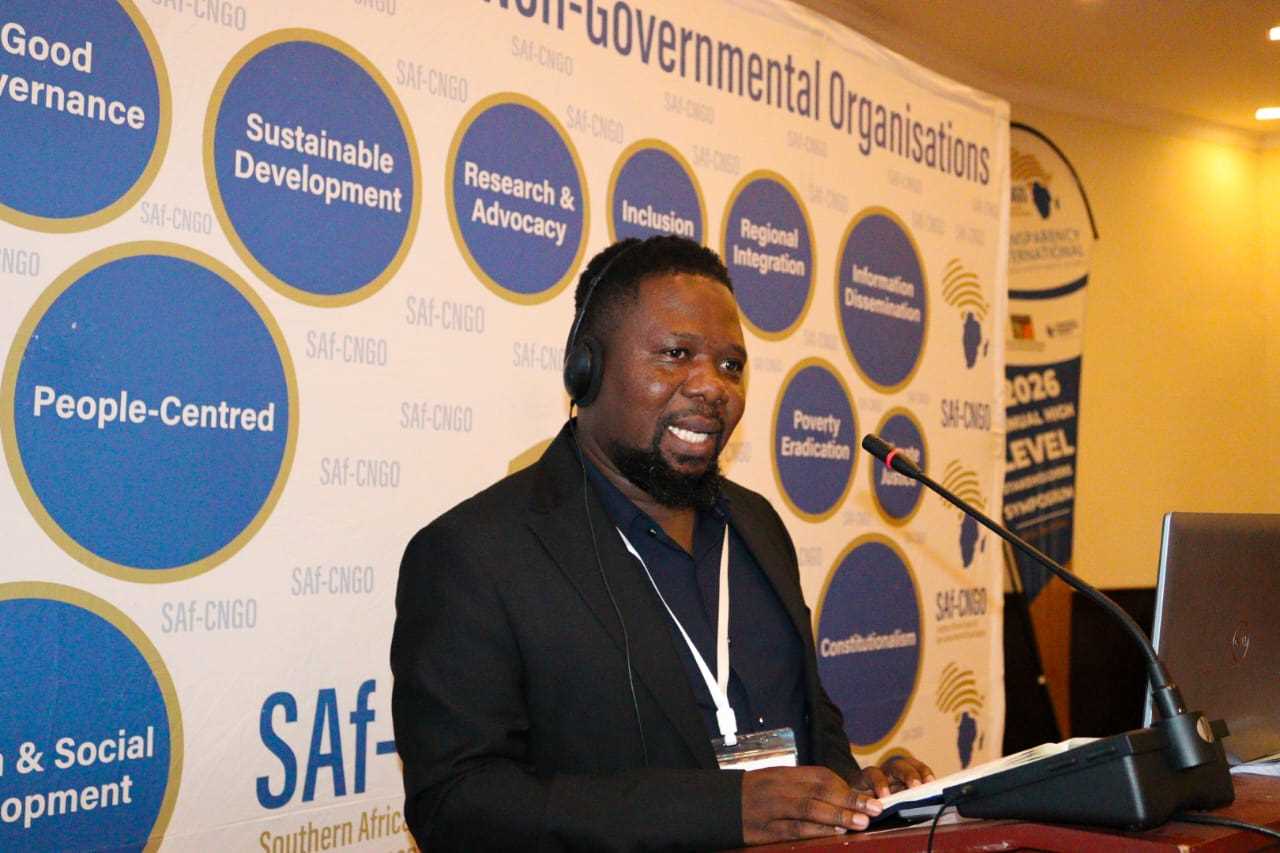
Persistent corruption risks in key public sectors such as health and education are weakening service delivery and slowing regional integration across Southern Africa, according to new evidence presented at a high-level regional symposium.
The discussions, convened alongside the Southern African Development Community summit and involving Transparency International Zimbabwe, Transparency International Madagascar, and civil society partners, highlighted systemic governance gaps across countries including Zimbabwe, the Democratic Republic of Congo, and Madagascar. These challenges are emerging despite formal commitments under regional and continental anti-corruption frameworks.
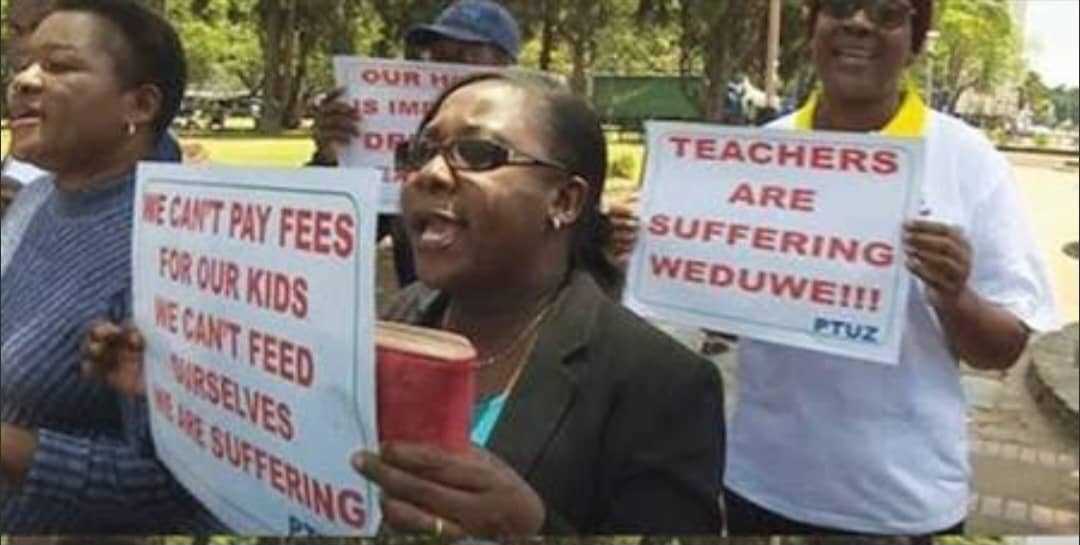
Evidence presented shows that corruption manifests at two critical levels: in the management of institutional resources and at the point of service delivery. In Zimbabwe, vulnerabilities were identified in areas such as staff recruitment, procurement, and property management in education, alongside admissions, enrolment, and supplementary teaching at service level. In the health sector, risks are concentrated in public procurement and inventory management of medicines—areas that directly affect availability of essential drugs and patient outcomes.
Across the region, similar patterns persist. In the Democratic Republic of Congo, risks span recruitment, inspection systems, and access to treatment and medicines. In Rwanda and Ghana, governance challenges extend to teacher recruitment, payroll systems, and health insurance administration, illustrating that corruption risks are embedded across both administrative systems and frontline service delivery.
Related Stories
Transparency advocates argue that these weaknesses have measurable economic and social costs. Corruption in procurement alone is estimated to inflate public sector costs by 20–30 percent in some African countries, while informal payments in health systems reduce access for low-income households and deepen inequality. In education, governance failures contribute to resource leakages that undermine learning outcomes and workforce development.
Transparency International Zimbabwe warned that “corruption is still holding the region back, not in theory, but in real terms,” noting its impact in distorting markets, widening inequality, and eroding trust in public institutions. The organisation emphasized that while most SADC member states have ratified instruments such as the SADC Protocol Against Corruption, implementation remains “weak, slow, and inconsistent.”
The findings come as the region pushes forward with integration frameworks such as the Regional Indicative Strategic Development Plan (RISDP 2020–2030) and the African Continental Free Trade Area, both of which rely on efficient, transparent institutions to function effectively. Weak governance in sectors like health and education not only undermines human development outcomes but also reduces productivity and limits the region’s ability to compete economically.
The symposium called for stronger enforcement of existing commitments, including mandatory reporting under Article 11 of the SADC Protocol, improved whistleblower protection systems, and the creation of accessible platforms for citizen complaints. Civil society organisations stressed that accountability mechanisms must move beyond policy commitments to practical implementation.
The central argument emerging from the discussions is that regional integration cannot be sustained without institutional integrity.





Leave Comments