








Zimbabwe is exploring new models of health financing at local authority level, with the City of Harare positioning community-based funding mechanisms as a potential pathway to expand access to essential services amid persistent fiscal constraints.
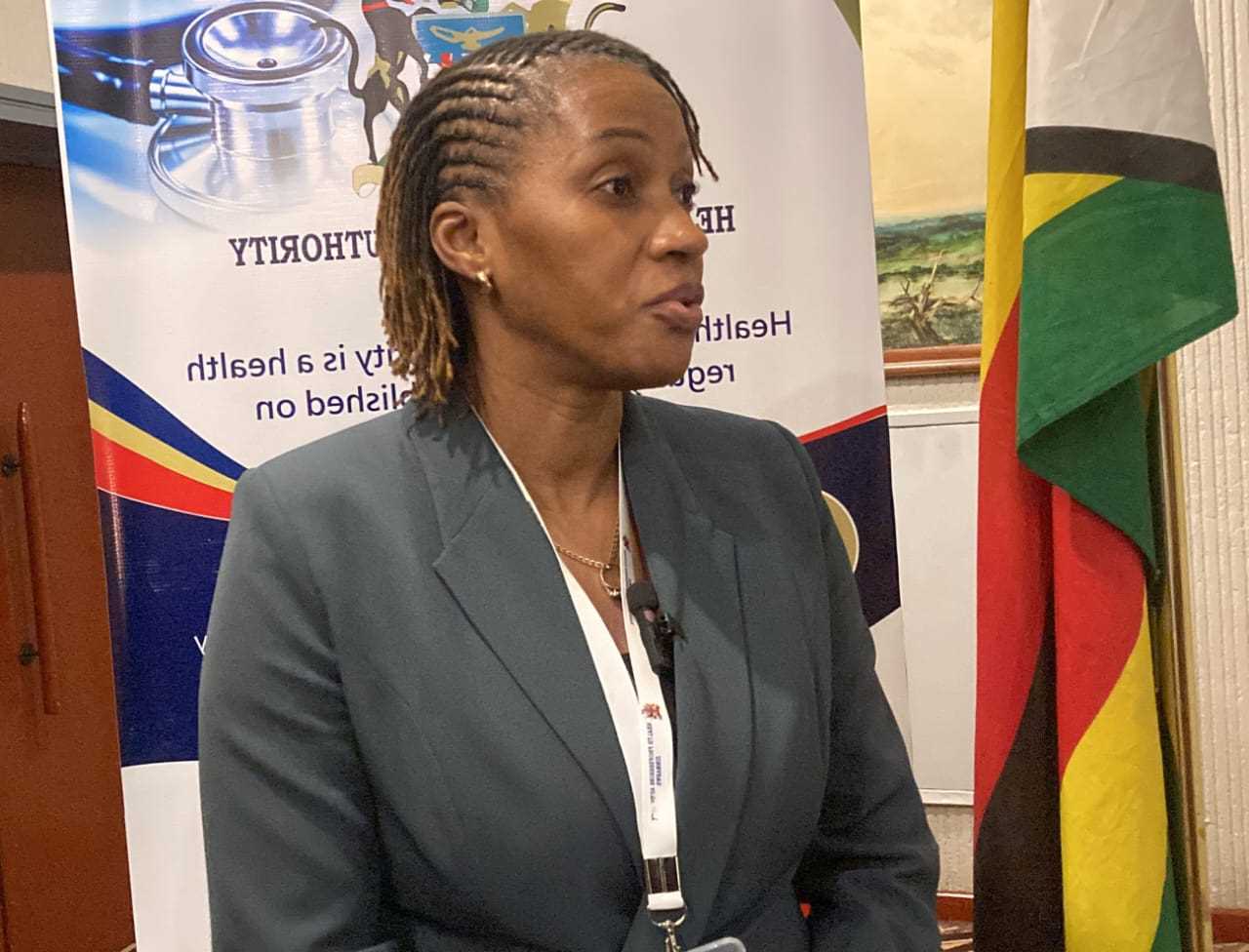
At a dialogue on reimagining health financing, supported by United Nations Population Fund Zimbabwe, Harare Mayor Jacob Mafume highlighted the need to shift toward domestically anchored funding systems.
He argued that “domesticating health financing” is essential for sustainability, stressing that stronger local resource mobilisation and community-driven solutions are key to building inclusive urban health systems.
The discussion centred on the City of Harare Community Health Equity Fund, a proposed model designed to pool local resources and improve access to primary healthcare, particularly for low-income urban populations. The initiative comes at a time when Zimbabwe’s public health financing remains under pressure, with government health spending estimated at 10–12 percent of the national budget, below the 15 percent Abuja Declaration target.
Related Stories
Urban health systems face distinct challenges, including rapid population growth, informal settlements, and rising demand for services without corresponding increases in funding. Harare alone has a population exceeding 2 million, placing strain on clinics, water systems, and sanitation infrastructure factors that directly influence health outcomes.
Community-based financing models such as CHEF aim to address these gaps by mobilising contributions at local level while leveraging partnerships with development agencies and the private sector. Similar schemes in other African cities have demonstrated potential to expand coverage, particularly when combined with targeted subsidies for vulnerable groups. However, their success depends on scale, governance, and the ability to maintain consistent contributions.
Mayor Mafume emphasised that localised financing approaches are necessary to ensure equity, noting that community-driven systems can help ensure “no one is left behind” in accessing health services. The approach aligns with broader universal health coverage goals, which prioritise financial protection and equitable access to care.
However, questions remain around implementation. Local authorities in Zimbabwe face limited fiscal space, with revenue collection constrained by economic conditions and high levels of informality









Leave Comments