








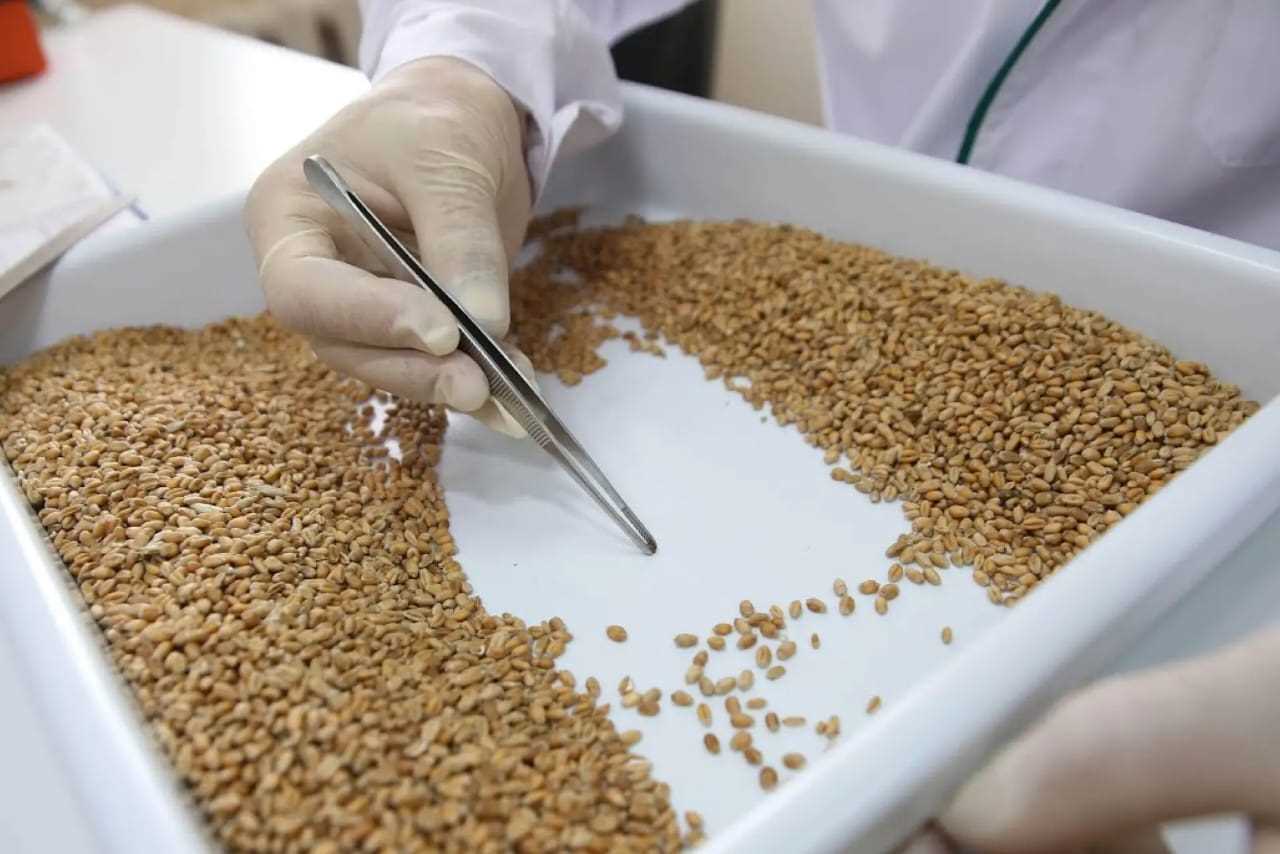
Zimbabwe’s push to strengthen agricultural productivity is increasingly shifting toward one of the sector’s most critical but often overlooked foundations, the seed system, as Government and industry players begin consultations on the National Seed Development Plan 2026–2030 amid growing concerns over climate vulnerability, declining yields and uneven farmer access to quality seed.
The consultations, involving the Horticulture Development Council and wider agricultural stakeholders, are expected to shape Zimbabwe’s seed policy direction for the next five years at a time when food security is becoming increasingly tied to climate resilience, input quality and productivity efficiency.
In a statement during the consultations, the Horticulture Development Council said it was “helping shape Zimbabwe’s seed policy for the next five years,” adding that “better seed systems mean improved access to quality certified seed for our growers.”
Permanent Secretary in the Ministry of Agriculture, Obert Jiri, underscored the strategic importance of seed quality to national agricultural performance.
“High-quality seeds determine the foundation of every harvest. Investing in certified seed systems and empowering local seed producers is essential for food security and agricultural resilience,” said Jiri.
The discussions come as Zimbabwe attempts to stabilise agricultural output after years of weather shocks, recurrent drought cycles and rising production costs that have exposed structural weaknesses within the country’s farming systems.
Related Stories
While Zimbabwe has made progress in expanding crop production in some seasons, experts say productivity levels for many smallholder farmers remain significantly below potential, with poor seed quality, counterfeit inputs and limited access to certified varieties continuing to affect yields.
The issue has become more urgent as climate variability intensifies pressure on farming systems. Agricultural authorities and development agencies have increasingly warned that future food security will depend less on expanding cultivated land and more on improving productivity, seed genetics, water efficiency and climate adaptation capacity.
Zimbabwe’s seed sector has historically been regarded as one of the stronger agricultural support industries in the region, particularly in maize and tobacco seed development. However, economic instability, currency volatility and rising import costs have placed pressure on both seed producers and farmers, affecting affordability and long-term investment in research and development.
The consultations also come against the backdrop of wider debates around agricultural resilience and input sovereignty, with policymakers increasingly emphasising the need to strengthen local seed production capacity rather than relying heavily on imports.
Agricultural analysts say the focus on local seed systems reflects growing recognition that food security is no longer only about production volumes, but about control over critical agricultural inputs and the ability to adapt to changing climatic conditions.
At the same time, the sector continues to face structural contradictions.
Although Government has prioritised food security under successive agricultural recovery programmes, many small-scale farmers still struggle to consistently access certified seed due to affordability constraints, distribution inefficiencies and foreign currency pressures affecting agricultural supply chains.









Leave Comments