






Many football fans around the world watched in disbelief recently when Liverpool star Mohamed Salah publicly questioned standards at Liverpool Football Club, triggering fierce debate among supporters, pundits and former players alike.
Few would deny that Liverpool is navigating a difficult transition period. Yet transitions, by their very nature, require patience, stability and strategic direction rather than emotional reactions that risk unsettling an already delicate rebuilding process.
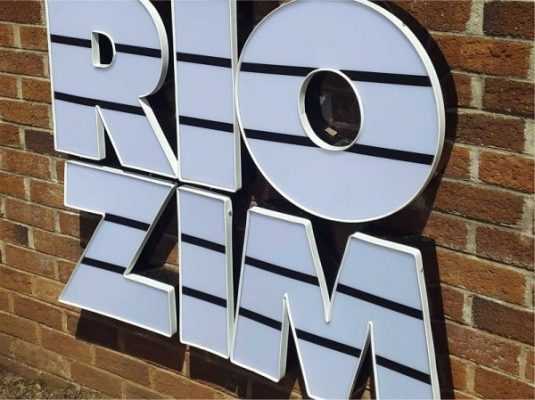
That reality offers an instructive parallel much closer to home at RioZim.
Recent calls by some minority shareholders for the diversified mining group to be placed under corporate rescue may sound persuasive on the surface, especially after years of declining shareholder value and operational challenges.
However, while concerns over debt and production slowdowns are legitimate, the growing push for corporate rescue risks becoming counterproductive, disruptive and ultimately self-serving.
This is not the moment to dismantle confidence in RioZim. It is the moment to rebuild it through revival, not rescue.
Despite the operational and financial pressures confronting the company, RioZim remains the custodian of highly strategic mining assets with significant long-term value.
The group’s gold operations, mineral claims and established infrastructure still position the group as an important player within Zimbabwe’s mining economy. Temporary distress should not automatically be interpreted as irreversible corporate collapse.
More importantly, evidence already exists within the group itself that structured revival can produce better outcomes than adversarial rescue proceedings. The revival trajectory at Cam & Motor Mine and the earlier recovery efforts at Renco Mine demonstrate that patient restructuring, technical reassessment and disciplined planning can restore operations without plunging the company into destabilising legal battles.
At Cam & Motor Mine in Kadoma, management undertook more than a year of detailed technical and economic studies before moving toward reopening. The operational pause was not abandonment; it was a calculated strategy aimed at securing long-term sustainability for both mining and processing operations.
Since then, engineering teams have returned on site, machinery rehabilitation has resumed, and preparations for renewed production are progressing steadily.
Related Stories
The revival process has already reignited hope among workers, contractors and surrounding communities whose livelihoods depend on mining activity.
The Cam & Motor experience also exposes the dangers associated with aggressive corporate rescue campaigns. During the operational pause, attempts by external actors to force rescue proceedings reportedly created uncertainty among employees and stakeholders who viewed the legal manoeuvres as disruptive to recovery efforts.
Rather than accelerating revival, such interventions risked delaying operations, undermining worker morale and threatening livelihoods tied to the mine’s eventual reopening.
Calls for corporate rescue at RioZim carry similar risks today. Rescue proceedings can trigger panic among creditors, financiers, suppliers, employees and potential investors.
They can weaken ongoing recapitalisation negotiations, erode market confidence and complicate efforts to attract fresh capital or strategic partnerships precisely when stability is most needed.
It is equally important to recognise the long-term commitment shown by the late Harpal Randhawa and the company’s controlling shareholders. Under their stewardship, RioZim continued operating and preserving strategic mining assets during some of Zimbabwe’s most difficult economic periods times when many investors chose to exit the country altogether.
That legacy should not be discarded lightly through reactionary processes that could further diminish shareholder value.
What RioZim requires now is constructive engagement centred on recapitalisation, operational recovery, governance strengthening and restoration of investor confidence.
Internal restructuring, strategic partnerships and disciplined recovery planning offer more sustainable pathways than adversarial legal proceedings that risk deepening divisions within the company.
The recovery signs already visible at Cam & Motor and Renco Mines show that revival is not only possible it is already underway. What is required is strategic patience, unified stakeholder support and confidence in the rebuilding process.
Zimbabwe can ill afford to lose another major mining institution at a time when the sector remains central to export earnings, employment creation and broader economic growth.
RioZim does not need panic. It needs stability. It does not need destructive rescue battles. It needs revival.








Leave Comments