








By Simbarashe Namusi
There was something unsettling about the scenes at Trabablas Interchange.
People searching for hidden cash. Phones raised high. Cars slowing down as social media did what it often does — laugh, argue and record everything. Tinotenda Tungwarara’s “Trabablas Treasure Hunt” quickly became one of those stories Zimbabweans could not ignore, partly because it was unusual, but mostly because it touched a nerve many people already carry quietly.
The idea sounded simple: money hidden around Harare, clues shared online, followers rushing to find it. Some applauded the generosity. Others dismissed the criticism as unnecessary. After all, money had been given away — and in Zimbabwe, that is rarely something people reject lightly.
Around the same time came reports of food hamper donations to staff at Parirenyatwa Group of Hospitals. The reaction there was markedly different. Many viewed the gesture as thoughtful, even necessary. Anyone familiar with Zimbabwe’s public hospitals understands the strain healthcare workers endure — long hours, exhausted staff and shortages that have long stopped surprising anyone.
Perhaps that contrast explains why the conversation around Trabablas grew beyond a social media trend.
Zimbabweans are not uncomfortable with charity. If anything, the country survives because people help each other.
In many households, someone carries more weight than they should. One salary supporting two homes. One relative covering school fees for siblings and cousins. One family member abroad sending groceries every month. Even in the harshest economic periods, Zimbabweans have found ways to sustain one another quietly.
That quietness matters.
Many people were raised to believe that helping someone should never come at the cost of their dignity. Assistance could happen without announcement. Fees could be paid without turning a struggling family into a public story. Preserving another person’s humanity was part of the act itself.
This is why the Trabablas spectacle unsettled people in ways that social media debates struggled to capture.
Because beneath the entertainment was a familiar sadness.
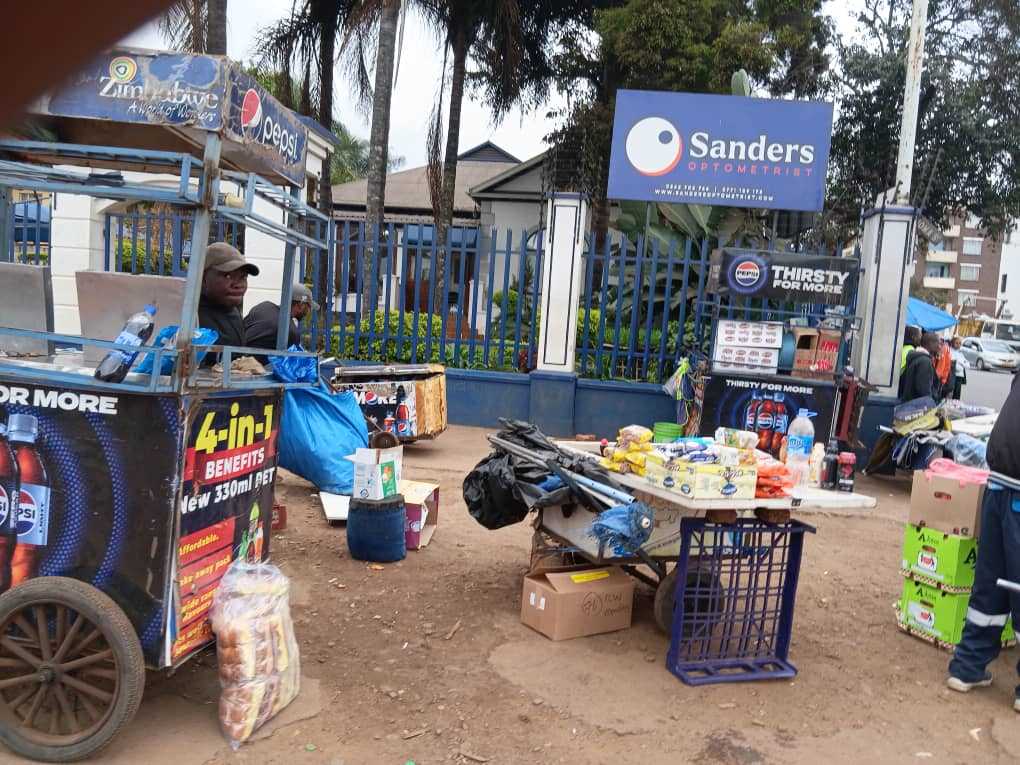
Anyone who uses public transport has seen it: the vendor counting coins repeatedly before boarding a kombi, the graduate selling phone chargers while waiting for a job that may never come, parents quietly removing groceries at the till when money runs short.
Life in Zimbabwe rarely collapses dramatically. It wears people down slowly.
Related Stories
And when a society reaches that point, even well-intentioned entertainment can feel uncomfortable if it mirrors desperation too closely. For some, adults searching for hidden money did not appear playful. It looked painfully familiar.
This does not mean public giving is wrong.
Some of Zimbabwe’s most impactful charitable initiatives rely on visibility. School drives, hospital donations and crowdfunding campaigns succeed precisely because people share them publicly. Even the food hampers donated to healthcare workers resonated because they addressed a widely understood struggle.
But social media has reshaped the nature of generosity.
Today, charity increasingly exists online. Donations are filmed. Recipients become images. Reactions become engagement. The line between compassion and performance can become blurred.
Perhaps this was the real debate unfolding.
Not whether people should help, but what happens when helping begins to resemble entertainment.
Zimbabwe is an emotionally tired nation. Years of economic instability have produced a population sustained by hustle, improvisation and endurance. Humour often masks hardship because laughter is easier than admitting exhaustion. Yet beneath the jokes lies a deep longing for dignity.
People welcome assistance. They also want to remain human while receiving it.
Zimbabwe now occupies an uneasy space where private generosity increasingly fills gaps left by struggling institutions. Citizens celebrate acts of kindness while quietly questioning why survival depends so heavily on individual benevolence in the first place.
That tension will not disappear soon.
Still, moments like these invite reflection. Charity matters. Compassion matters even more. Zimbabwe would be far harsher without those who continue to give where they can.
But perhaps some things should remain bigger than virality.
Because when hardship becomes spectacle, society risks normalising what should never feel ordinary — the public performance of survival.
Simbarashe Namusi is a peace, leadership and governance scholar and media expert writing in his personal capacity.









Leave Comments