








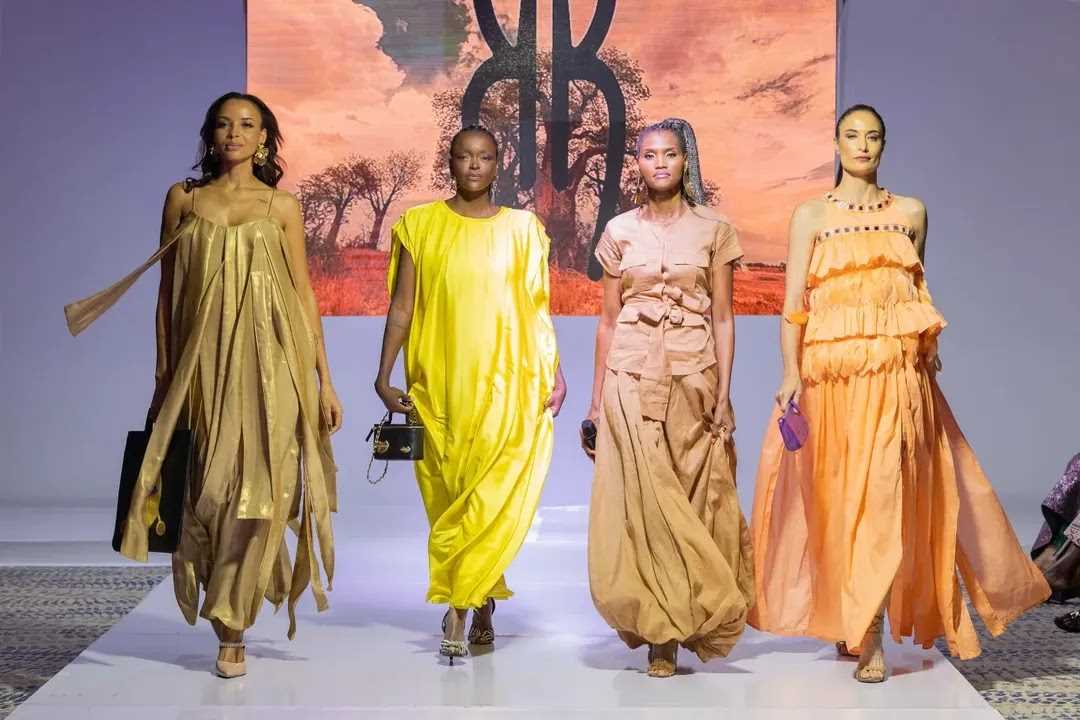
Thousands of Zimbabweans are earning livelihoods through fashion entrepreneurship despite operating outside formal employment structures, as designers say the industry is quietly becoming a major source of jobs and economic activity.
Zimbabwe's fashion industry is emerging as one of the country's most resilient creative business sectors, creating livelihoods for thousands of young entrepreneurs despite operating largely outside formal employment structures.
From bustling tailoring workshops in Mbare and Glen View to fashion houses, modelling agencies, beauty brands and clothing labels in Harare and around Zimbabwe, the sector continues to absorb young people seeking income opportunities in an economy where formal jobs remain limited.
Yet the industry's success story is being driven by a workforce that remains largely invisible.
UNESCO said 93 percent of Zimbabwe's creative economy workers are own-account workers or freelancers with no formal employment status, while the informal sector accounts for more than 80 percent of the country's creative workforce.
Despite these challenges, fashion entrepreneurs are steadily building businesses, creating brands and generating employment across the value chain.
Designer Jephason Muranda based in Gweru said the growth of modern fashion has opened opportunities for many young creatives who previously struggled to enter formal employment.
"Fashion is no longer just about making clothes. It has created opportunities in modelling, photography, styling, digital marketing and beauty services. Many young people are earning a living through fashion," he said.
Muranda added that the industry was evolving rapidly as consumers embraced local brands.
"Yes, crop tops and fitted outfits are part of a broader fashion trend among many women today. These styles have become common in streetwear, casual fashion, fitness wear, festival fashion and social media-inspired looks."
He said growing consumer demand for locally designed clothing was encouraging more young people to enter the sector.
Related Stories
Across Harare, fashion businesses continue to expand through online platforms, exhibitions and pop-up markets, helping designers reach customers beyond Zimbabwe's borders.
UNESCO noted that Zimbabwe is not unique in this regard, saying the country represents a wider African reality where fashion workers continue to operate largely outside formal protection systems.
The organisation said workers across the continent often operate without contracts, without social protection, without collective bargaining and without legal recourse when they are underpaid.
Despite the absence of formal structures, fashion entrepreneurs continue to demonstrate remarkable resilience.
Fashion designer Yemurai Maradzike, who produces custom made garments, said the sector had become a vital source of income for many women and young people.
"Many of us started with small sewing machines at home, but today fashion is paying school fees, rent and supporting families. The demand for locally made clothing is growing and customers are beginning to appreciate Zimbabwean designs," she said.
Maradzike said the industry's biggest challenge remained access to finance and formal business support.
"There is talent everywhere, but many designers struggle to expand because equipment, materials and funding are expensive. If more support is provided, the sector can create even more jobs."
UNESCO stated that fashion workers form the productive base of Africa's fashion economy even though many are not reflected in formal economic data.
The growth of local fashion brands is increasingly feeding into other sectors such as retail, events management, advertising, photography, beauty services and digital commerce.
As Zimbabwe pushes to grow its creative economy, the fashion sector is quietly proving that entrepreneurship and innovation can create opportunities even in the absence of formal employment.
For many young Zimbabweans, the sewing machine, design studio, camera lens and beauty kit are becoming more than creative tools they are becoming instruments of economic survival and growth.







Leave Comments