








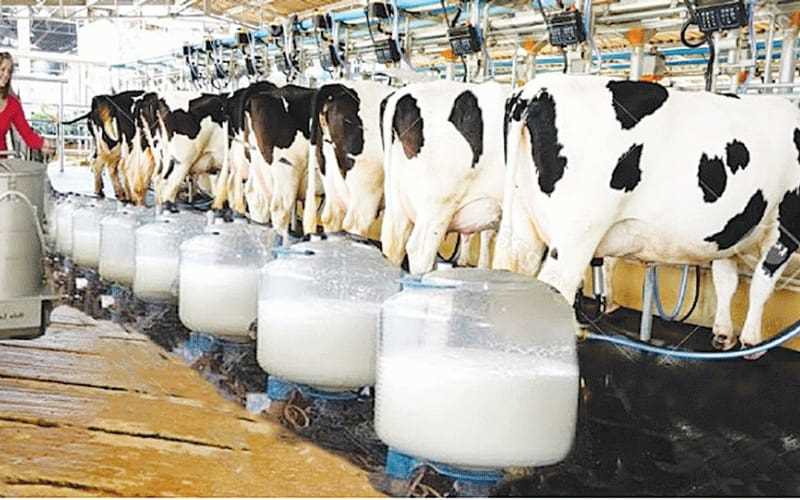
Zimbabwe is intensifying efforts to build rural agro-industries around dairy production after national milk output reached 120 million litres in the 2024/25 season, moving the country closer to its target of 150 million litres and reducing dependence on imported dairy products.
Permanent Secretary in the Ministry of Agriculture Mechanisation and Water Resources, Obert Jiri, said the next phase of agricultural growth will depend on rural industrialisation and value addition rather than primary production alone.
"Zimbabwe's agri-led growth rests on rural industrialisation and full on-farm value chains. Dairy output hit 120 million litres in 2024-25, a decisive march towards the 150 million target. With better feed and processing, backed by government's 5% import levy, farmers can push production to the goal," Jiri said.
Related Stories
The dairy industry has staged a remarkable recovery over the past decade. National milk production has risen from just 37 million litres in 2009 to about 120 million litres in 2024/25, according to industry statistics, although this remains below national demand of approximately 130–150 million litres annually.
Government introduced a 5% levy on selected imported dairy products to support local producers, encourage investment in milk processing and improve competitiveness for domestic manufacturers.
Industry bodies, including the Dairy Services Unit and the Zimbabwe Association of Dairy Farmers, say improving pasture production, irrigation, genetics and feed availability will be critical to increasing yields, while expanding milk collection centres and processing facilities will enable farmers to capture more value.
If the country reaches the 150 million-litre target, analysts say Zimbabwe could significantly reduce dairy imports, improve national food security, create rural employment and stimulate investment across feed manufacturing, cold-chain logistics and dairy processing, strengthening agriculture's contribution to economic growth.




Leave Comments