






Munyaradzi Blessing Doma- Reporter
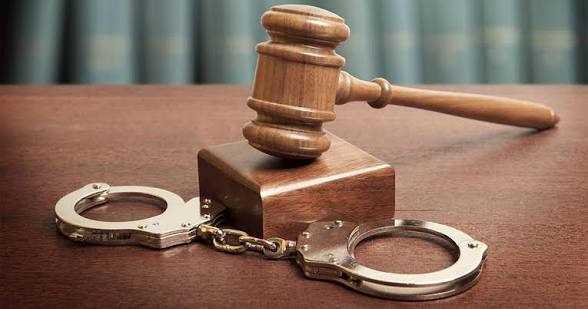
Justice is meant to be a right guaranteed by the law — blind, fair and accessible to all.
Yet for many women, justice remains distant, complicated, expensive and, in some cases, entirely out of reach.
Across Zimbabwe, women continue to face numerous barriers that prevent them from obtaining the protection, recognition and fairness they deserve. For some, the obstacles These are the lived realities of women who have found themselves denied justice in different ways, yet through strikingly similar experiences.
stem from discriminatory laws and harmful social norms. For others, poverty, disability, digital exclusion or a lack of information stand in the way.
Behind policy discussions and legal frameworks are real women carrying real scars — women whose stories expose painful gaps within systems meant to protect them.
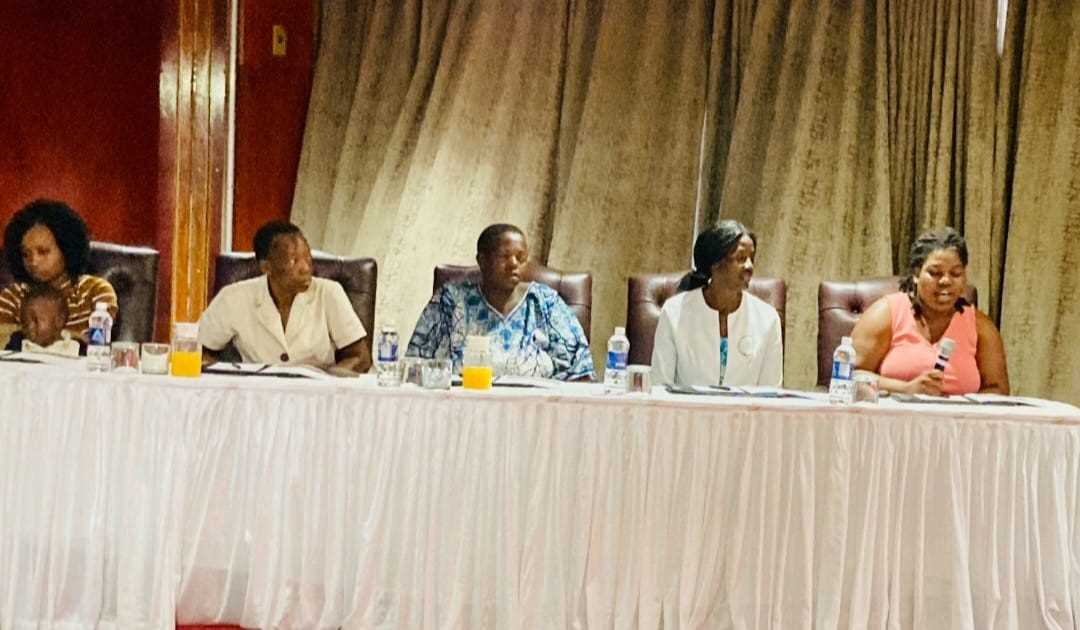
During an Access to Justice Indaba for Women and Girls organised by Women and Law in Southern Africa (WLSA), several women shared their experiences, speaking candidly about the challenges they have encountered while seeking justice.
Through emotional testimonies, they recounted delays in the legal system, financial barriers, intimidation and other obstacles that left them feeling unheard and unprotected.
Their stories underscored the urgent need for a more accessible, responsive and people-centred justice system.
A Lifetime on the Land, But No Right to It
For Madhuve, years of dedication to a shared life counted for little when her husband died.
According to her testimony, her husband had previously married another woman who later emigrated, leaving him behind. Madhuve said she met him in 2005, and together they built a life on a farm, contributing significantly to its development over the years.
She cared for him during illness and worked alongside him to improve the property. However, when she approached the Master of the High Court regarding the administration of his estate following his death, she was informed that his earlier marriage was still legally recognised.
As a result, the first wife was regarded as the lawful heir to the estate.
Questioning the outcome, Madhuve said the situation exposed how some women remain vulnerable despite spending years supporting their partners and contributing to shared assets.
“I gave that farm my dedication, my strength, my everything,” she said quietly.
“But when it mattered, it was as if I had never existed.”
Her story reflects the reality faced by many women whose contributions remain invisible when property and assets are registered solely in their husbands' names.
Evicted From the Home She Helped Build
For Soko, home was supposed to be a place of security.
Instead, it became the place where everything fell apart.
Without her knowledge, her husband sold the family house.
By the time she discovered what had happened, ownership had already changed hands and her options were severely limited.
She sought legal advice, approached various offices and appealed for intervention.
But, she said, the law recognised the registered owner — her husband.
Her name was not on the title deeds.
Years of emotional and financial contributions carried little weight against official documentation.
Eventually, she was forced to leave the home she had helped build.
“I thought marriage meant partnership,” she said.
“But when the house was sold, I realised I was invisible.”
Related Stories
Left Behind by Digital Justice
For Dzumbunu, the shift towards digital court processes became an unexpected barrier to justice.
She recounted how her attempt to seek protection through the courts ended in disappointment after she allegedly missed a hearing because she was unaware that the date had been changed electronically.
According to Dzumbunu, her 26-year-old son struggles with drug abuse and often becomes violent when intoxicated, prompting her to seek help from the authorities.
The matter was referred to the courts, and she said she was told she would be informed of the hearing date.
After waiting without receiving any communication, she visited the court to inquire about the case.
It was only then, she said, that she learned the hearing date had been updated through the Integrated Electronic Case Management System.
Because she had not attended the rescheduled hearing, the matter was dismissed.
She believes the experience denied her access to justice.
Her story highlights the challenges some citizens face in navigating digital court systems, particularly those who lack access to technology or are unfamiliar with electronic communication platforms.
Justice Comes at a Price
Another woman described how financial barriers frustrated her efforts to enforce a maintenance order against her former husband.
“I sought help from the police after my ex-husband repeatedly failed to comply with a maintenance order issued by the court,” she said.
“Instead of receiving the assistance I expected, I was allegedly asked to provide money for transport and other expenses so that officers could go and look for him.”
As a single parent already struggling to provide for her children, she said she could not afford the additional costs.
Because she was unable to pay, she claimed little action was taken for an extended period.
“The experience left me feeling frustrated and discouraged,” she said.
“I believe that financial barriers should not prevent vulnerable people from accessing justice or having court orders enforced, especially in cases involving the welfare of children.”
Fighting Discrimination While Living With Disability
For Sinikiwe, accessing justice has involved confronting barriers linked not only to gender but also to disability.
She said she often finds herself excluded from decisions that directly affect her life.
“It is a challenge when people always decide what is best for me,” she said.
“But nobody asks me what I want.”
Her experience highlights the double discrimination faced by many women living with disabilities — first as women and secondly as persons with disabilities.
Instead of empowerment, many encounter exclusion, inaccessible services and systems that fail to accommodate their needs.
More Than Individual Stories
Although their circumstances differ, these women share one painful reality: justice has not been equally accessible to them.
Whether blocked by property rights disputes, poverty, digital exclusion, disability discrimination or deeply rooted patriarchal systems, their experiences reveal that the path to justice remains filled with obstacles for many women.
Advocates argue that meaningful access to justice requires more than rights guaranteed on paper.
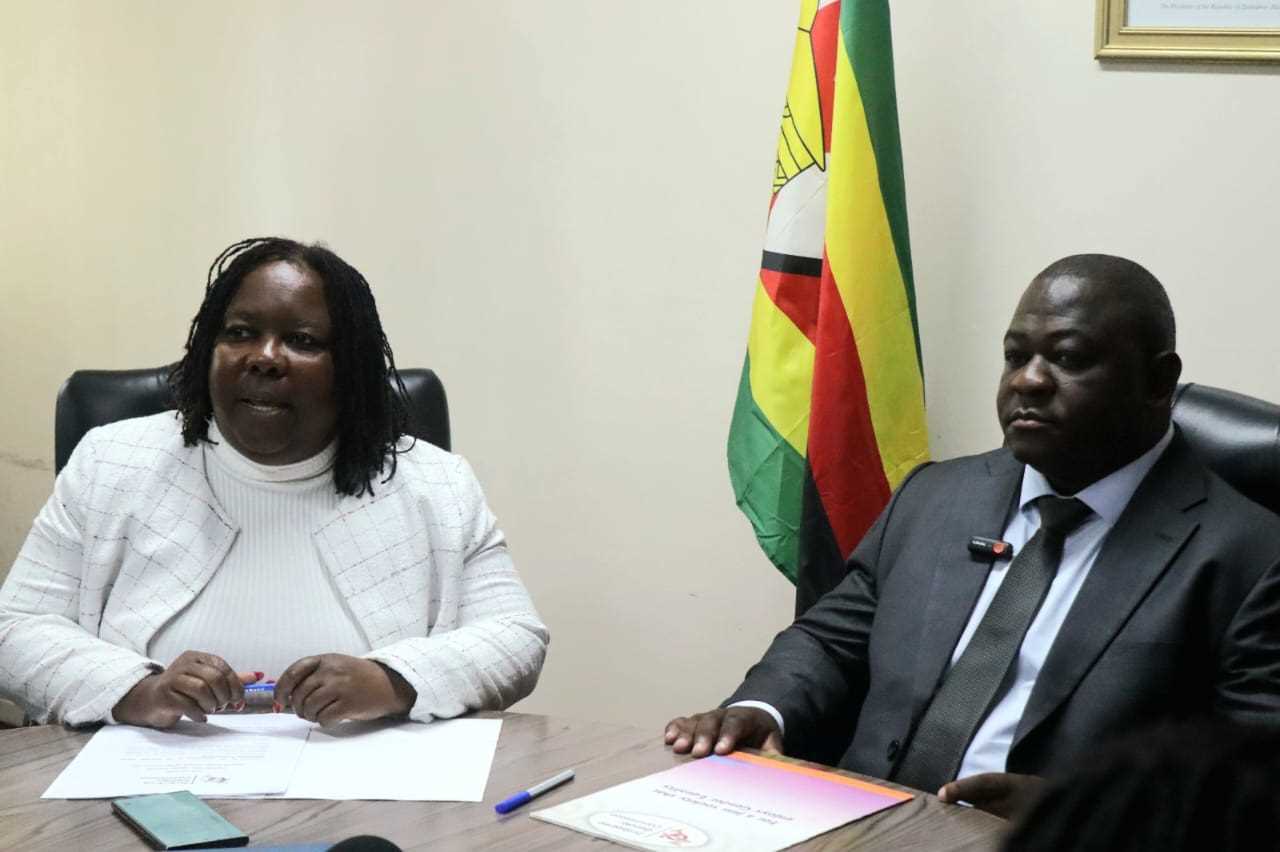
Speaking on the challenges women face in seeking justice, WLSA National Director Isheanesu Chirisa said the testimonies reflected the realities experienced by many women across Zimbabwe.
“These are not isolated incidents but lived experiences that expose the barriers women encounter when trying to access justice,” said Chirisa.
She said financial obstacles, administrative inefficiencies, inadequate information and delays in the justice delivery system continue to deny many women timely and effective remedies.
“There is an urgent need for reforms that ensure the justice system is accessible, responsive and inclusive for all,” she said.
Until such reforms are realised, the experiences shared at the indaba suggest that for many women, justice remains not a guaranteed right, but an ongoing struggle.





Leave Comments