





Members of Parliament are being urged to strengthen their capacity to analyse the National Budget amid growing concern that Zimbabwe's limited public resources, rising debt obligations and competing development priorities require more rigorous parliamentary oversight than ever before.
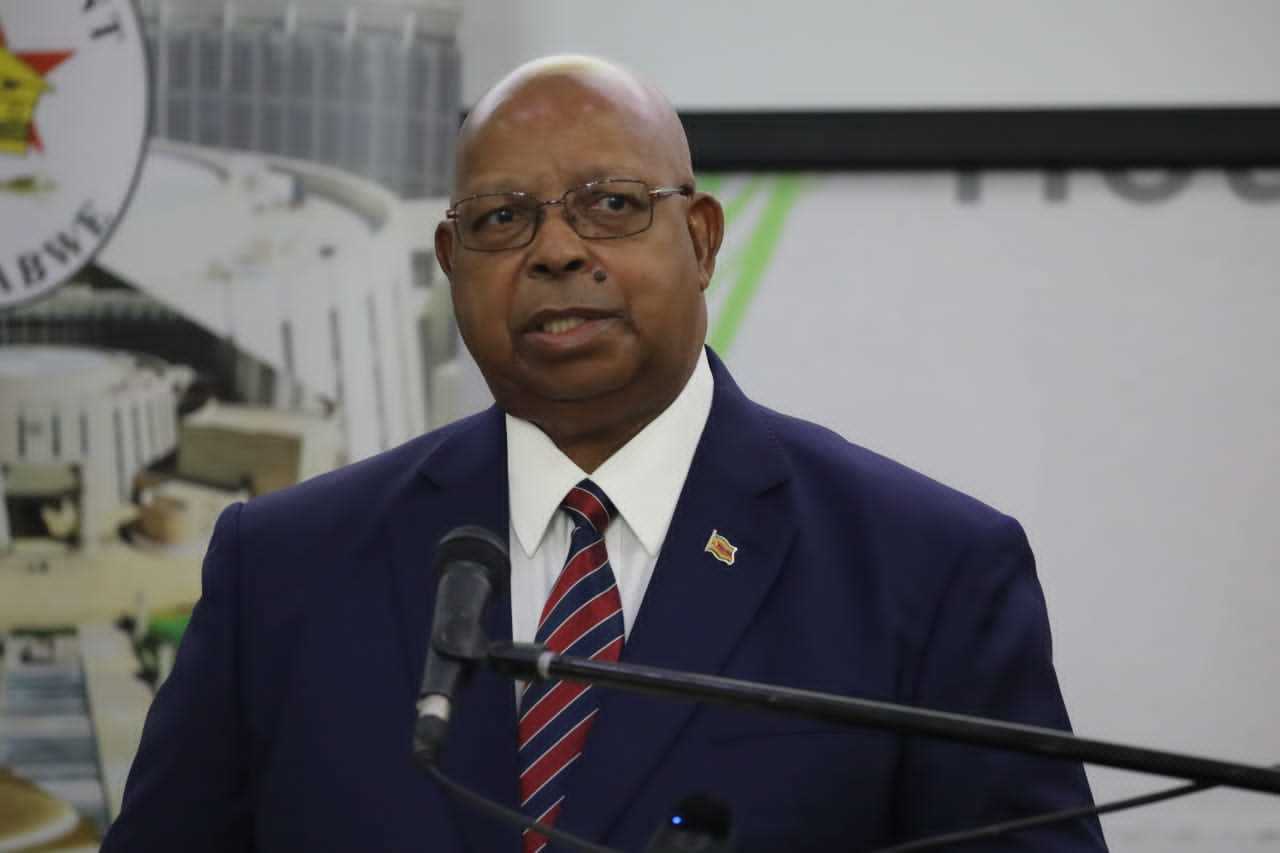
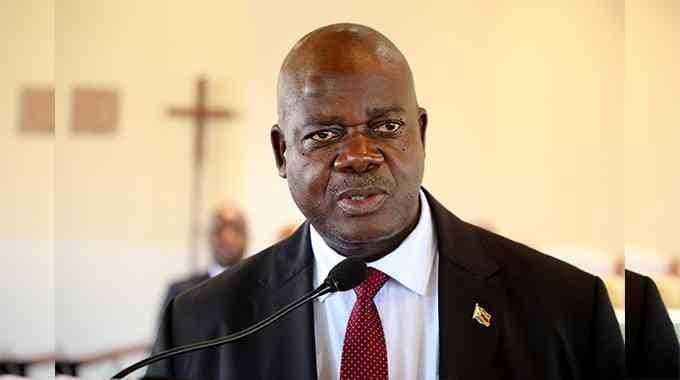
Speaking during a Capacity Building Workshop on Public Finance Management, Budget Processes and Budget Analysis in Bulawayo, Speaker of the National Assembly, Jacob Mudenda, said Members of Parliament must move beyond simply listening to budget presentations and develop the skills needed to interrogate how public funds are allocated and spent.
He said effective budget oversight requires legislators to examine not only how much Government intends to spend, but also who benefits from that spending and who bears the costs.
"When you attain true mastery of Budget analysis, you graduate from being captive recipients of Budget presentations into vigilant watchdogs of the public purse."
Mudenda said Members of Parliament should be able to explain the practical implications of the National Budget to ordinary citizens.
"Such mastery must, above all, equip you to explain to a mother in Chipinge or a father in Hwange how the National Budget is likely to impact their livelihoods."
He added that stronger budget analysis would enable legislators to scrutinise whether allocations are sufficient to improve education, healthcare and other essential public services, while ensuring vulnerable groups, including women, children, persons with disabilities and low-income households, are not left behind.
The workshop comes as Zimbabwe faces increasing pressure to balance fiscal discipline with growing demands for investment in public infrastructure and social services.
According to the Parliamentary Budget Office, Parliament's oversight role extends beyond approving expenditure to examining macroeconomic assumptions, revenue projections and financing strategies underpinning the National Budget.
Parliament Budget Office Director Tapiwa Gumbo told legislators that the National Development Strategy Two proposes alternative financing models to reduce pressure on Treasury.
He said building societies and other banking institutions are expected to finance housing development, while pension and insurance funds could play a greater role in funding tourism infrastructure, including hotels, conference facilities and exhibition centres.
Related Stories
Gumbo also cautioned that sustainable public finances depend on responsible borrowing.
"Budget debates must promote fiscal sustainability by ensuring Government does not borrow beyond its capacity to repay."
He warned that excessive borrowing ultimately diverts public resources away from essential services.
"Excessive borrowing increases debt servicing costs, reducing resources available for essential services such as health, education and infrastructure."
His remarks reflect Zimbabwe's fiscal reality.
The country continues to carry public and publicly guaranteed debt exceeding US$21 billion, limiting fiscal space and constraining Government's ability to increase spending on development priorities. Debt servicing obligations have increasingly competed with expenditure on health, education and infrastructure, making efficient allocation of scarce resources a central policy challenge.
The workshop also focused on equipping legislators with practical skills to interpret revenue estimates, expenditure allocations and financing requirements contained in the National Budget.
Parliament Budget Office Deputy Director Better Sibanda delivered a presentation on public finance management, guiding Members of Parliament through the principles of budget analysis and strengthening Parliament's oversight role over public resources.
The emphasis on evidence-based analysis aligns with international best practice. The International Monetary Fund and the World Bank have consistently argued that strong parliamentary oversight improves fiscal transparency, strengthens accountability and enhances the efficiency of public expenditure.
Research by the Organisation for Economic Co-operation and Development similarly shows that legislatures with well-resourced budget offices are better equipped to scrutinise government spending and hold the Executive accountable.
For Zimbabwe, strengthening Parliament's budget analysis capacity could become increasingly important as the Government seeks to finance infrastructure, manage debt, implement the National Development Strategy Two and pursue its upper-middle-income ambitions within a constrained fiscal environment.





Leave Comments