








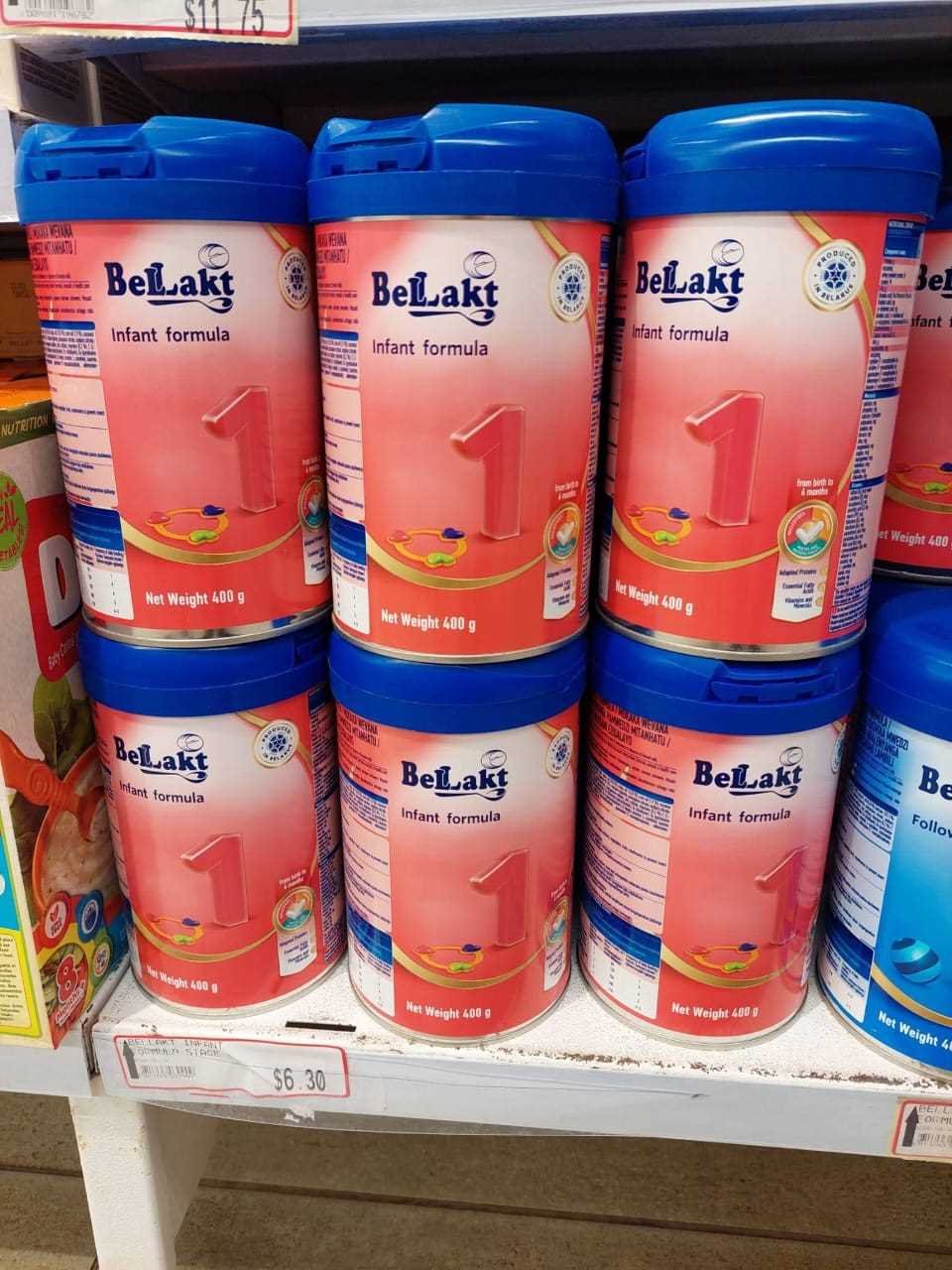
The growing relationship between Zimbabwe and Belarus is moving beyond tractors and agricultural equipment to supermarket shelves, with Belarusian infant formula brand BelLakt becoming one of the latest products to enter the Zimbabwean market.
The development reflects efforts by the two countries to broaden economic cooperation following a series of high-level engagements between their governments, which have increasingly focused on trade, investment and industrial collaboration.
The introduction of BelLakt products follows the 2023 state visit to Zimbabwe by Belarusian President Alexander Lukashenko and subsequent engagements between officials from both countries.
Belarusian Ambassador to Zimbabwe Yury Nikolaichyk said the supply of infant and baby food products formed part of agreements reached between the two countries aimed at expanding areas of economic cooperation.
“The supply of high-quality baby and infant food is part of the package of agreements between the leaders of the two countries,” Nikolaichyk said.
He said the products underwent registration and certification processes with Zimbabwean authorities before entering the local market.
“The inspections confirmed the compliance of Belarusian products with the required quality and safety standards,” he said.
While Belarus has become widely associated in Zimbabwe with the supply of agricultural and industrial machinery, the arrival of BelLakt signals an effort to diversify bilateral trade into consumer goods and food products.
Related Stories
BelLakt Deputy Director General for Commercial Affairs Ivan Lupish said the company's entry into Zimbabwe began with meeting local regulatory requirements before commercial distribution.
“Infant formula is a product of particular responsibility,” Lupish said.
He said the company completed registration procedures for both its manufacturing facility and infant formula products with Zimbabwe's Ministry of Health before launching the products locally.
The company also adapted its packaging to comply with local requirements by providing product information in English, Shona and Ndebele.
Lupish said this was intended to make product information more accessible to Zimbabwean consumers.
According to the company, its production systems comply with internationally recognised food safety standards, including FSSC 22000 certification and Good Manufacturing Practices (GMP), with quality controls covering production, raw materials and packaging.
The long-term success of the products in Zimbabwe, however, is likely to depend on factors beyond regulatory approval, including affordability, availability and consumer acceptance in a market where imported infant formula brands already compete for shelf space.
Beyond consumer products, Belarus and Zimbabwe are exploring opportunities to expand cooperation in food production.
Ambassador Nikolaichyk said discussions include the possibility of establishing joint ventures that would combine Zimbabwean agricultural raw materials with Belarusian processing technology to manufacture baby and infant food locally.







Leave Comments