








As Zimbabwe implements the National Development Strategy Two, the biggest challenge facing women's economic empowerment is no longer the absence of policy but the failure to unlock finance and business opportunities capable of transforming women-owned enterprises into engines of economic growth.
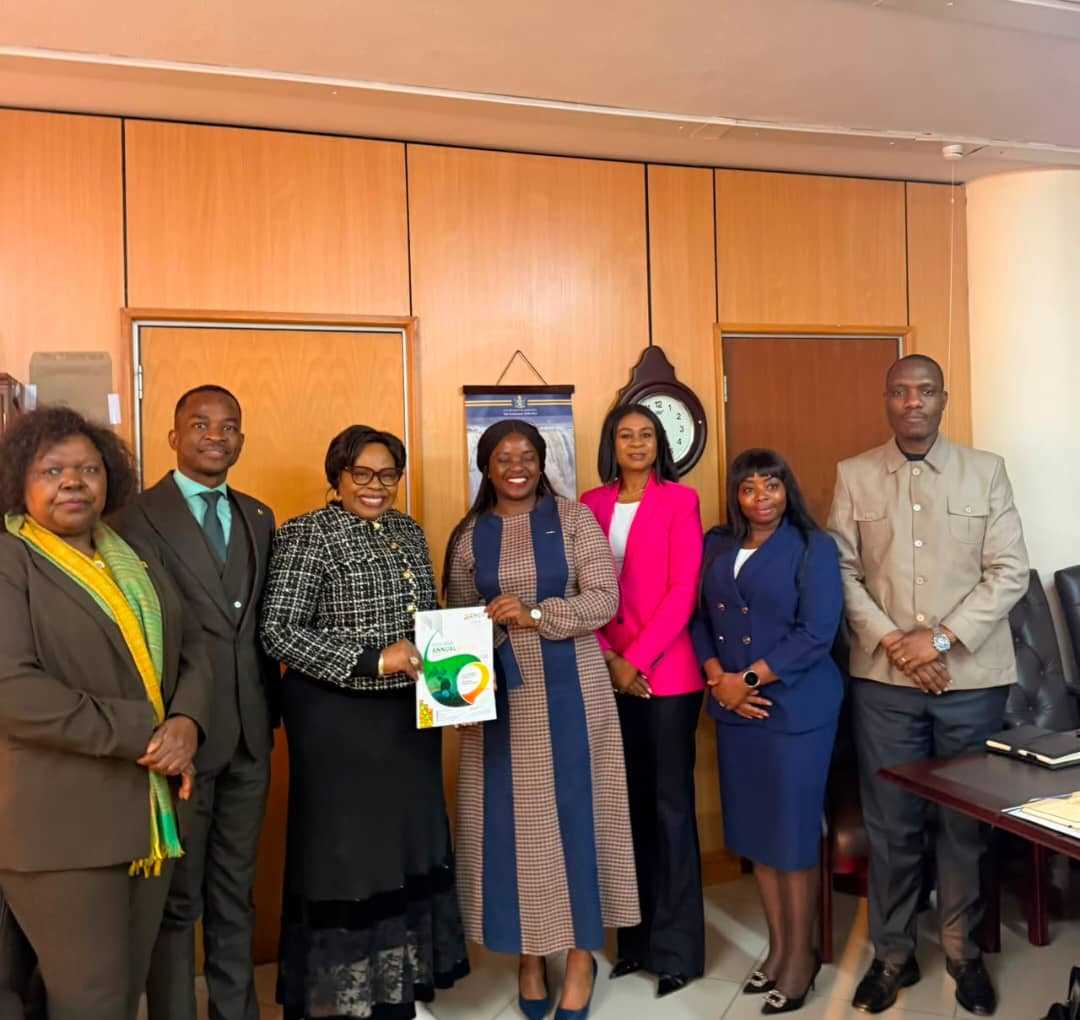
That challenge took centre stage after the Zimbabwe National Chamber of Commerce engaged the Ministry of Women Affairs, Community, Small and Medium Enterprises Development, with both sides agreeing to strengthen collaboration on expanding women's participation in the economy.
The discussions come at a time when small and medium enterprises account for more than 60 percent of Zimbabwe's Gross Domestic Product and provide employment for the majority of the country's workforce, yet women entrepreneurs continue to cite limited access to affordable finance, markets, technology and formal business opportunities as the biggest obstacles to growth.
Presenting her leadership blueprint, Zimbabwe National Chamber of Commerce President Josephine Takundwa said the Chamber was prioritising programmes that would increase women's participation in business and economic development.
The delegation also outlined the Zimbabwe National Chamber of Commerce Women's strategic thrust for the year, focusing on initiatives aimed at strengthening women's enterprises and increasing their contribution to national economic development.
Minister of Women Affairs, Community, Small and Medium Enterprises Development Monica Mutsvangwa said the agenda was timely as Zimbabwe prepares for its next economic development blueprint.
She said the Chamber's initiatives "come at a pivotal time as Zimbabwe advances towards the implementation of National Development Strategy Two."
Related Stories
Mutsvangwa also pledged the ministry's support for the Chamber's programmes and acknowledged "the vital role that the Zimbabwe National Chamber of Commerce continues to play in advancing Zimbabwe's economic growth through private sector development and inclusive partnerships."
According to the International Finance Corporation, women-owned businesses across Africa face an estimated financing gap of more than US$42 billion, with many enterprises unable to obtain collateral-based commercial loans despite demonstrating strong repayment records.
The African Development Bank has also identified limited access to finance as one of the principal barriers preventing women from expanding businesses beyond the micro-enterprise stage, arguing that closing the gender financing gap could significantly boost productivity, employment and economic growth.
The World Bank has similarly observed that women entrepreneurs are more likely than men to operate informal businesses with limited access to productive assets, technology, export markets and financial services, factors that continue to suppress enterprise growth despite women constituting a substantial share of Africa's entrepreneurial population.
Zimbabwe mirrors those continental trends.
Although women dominate much of the country's informal trading and micro-enterprise sector, relatively few own medium-sized or large businesses capable of accessing export markets, participating in manufacturing value chains or creating large-scale employment.
The challenge is likely to become more significant under National Development Strategy Two, which places greater emphasis on industrialisation, private sector-led growth, exports and value addition.
Many have argued that women's economic empowerment should move beyond welfare programmes towards improving access to productive capital, procurement opportunities, land, innovation and formal markets.




Leave Comments