









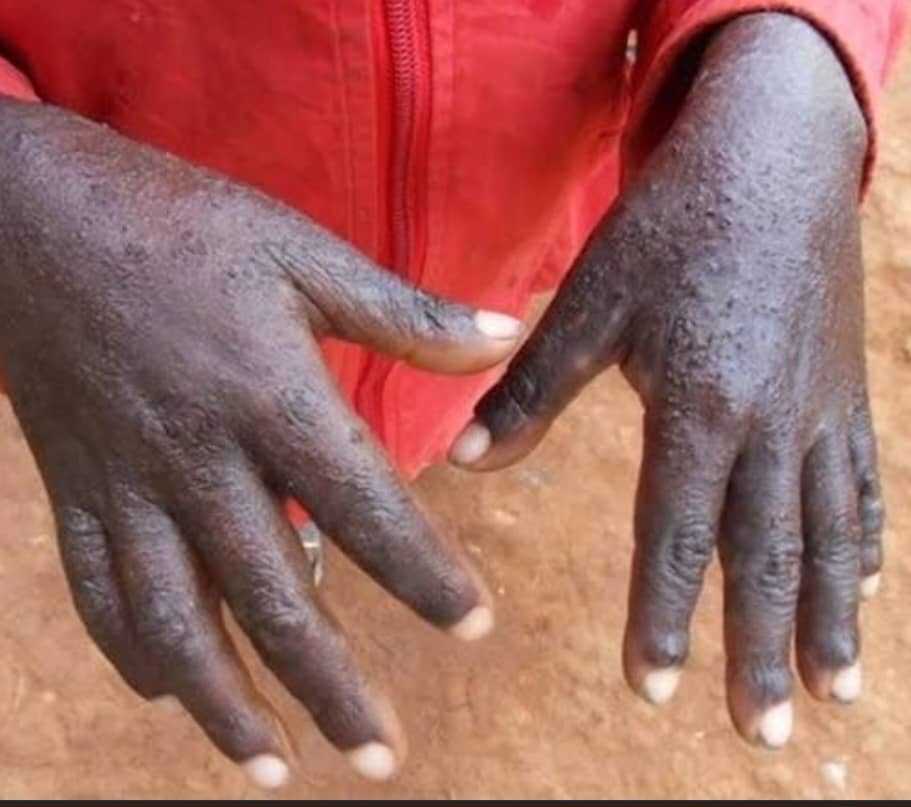
A scabies outbreak affecting mostly children in Harare's Hopley and Stoneridge settlements has renewed concerns about the city's vulnerability to communicable diseases, with health experts warning that overcrowded living conditions and poor sanitation continue to create fertile ground for recurring public health emergencies.
The City of Harare says the outbreak was first detected in mid-June 2026, with children under the age of 12 accounting for the majority of reported cases.
The development comes barely months after Zimbabwe battled a cholera outbreak, raising fresh questions about whether the country's rapidly expanding urban settlements have become increasingly susceptible to preventable infectious diseases.
In a public health notice, the City of Harare described scabies as "a highly contagious skin condition caused by microscopic mites that burrow into the skin."
It said the disease spreads mainly through prolonged skin-to-skin contact and by sharing infested clothing, bedding and towels.
"The majority of reported cases are among children below the age of 12 years," the city said.
Health authorities warned that common symptoms include "intense itching, particularly at night, skin rashes, and sores resulting from scratching, which may lead to secondary bacterial infections."
Related Stories
Residents experiencing symptoms have been urged to seek immediate medical attention, while household members and close contacts should also be treated to prevent re-infestation.
The municipality said it has activated "enhanced disease surveillance, case management, health education and community awareness campaigns," adding that rapid response teams are working with affected communities to contain the outbreak.
The outbreak matters because scabies is increasingly recognised as more than a minor skin condition. The World Health Organisation classifies it as a neglected tropical disease affecting an estimated 200 million people globally at any given time, particularly children and people living in overcrowded environments with limited access to healthcare, water and sanitation. If left untreated, scabies can result in severe bacterial skin infections that may lead to kidney disease, rheumatic heart disease and other serious health complications.
For Harare, the outbreak also points to deeper urban development challenges. Hopley has repeatedly experienced outbreaks of cholera, typhoid and other communicable diseases over the past decade, with public health specialists attributing many of these to inadequate water supplies, poor sanitation infrastructure, overcrowded housing and limited waste management services.
The World Health Organisation says scabies is strongly associated with "overcrowding and poverty" and that sustained control depends not only on treatment but also on improving living conditions, hygiene and access to health services.
Children are particularly vulnerable because of close physical interaction at home and in schools, allowing the disease to spread rapidly if infected families are not treated simultaneously.
The City of Harare has advised residents to avoid sharing clothes, towels and bedding, maintain good personal hygiene, wash potentially contaminated fabrics in hot water and complete the full course of treatment prescribed by health workers.
As the city continues to expand through high-density and peri-urban settlements, investment in housing, sanitation and basic municipal services may prove just as important as emergency medical responses in preventing future disease outbreaks.










Leave Comments