









Zimbabwe is placing greater emphasis on community-based healthcare as it confronts persistent immunisation gaps, recurring disease outbreaks and the growing challenge of integrating returning migrants into an already stretched public health system.
The renewed collaboration between the Ministry of Health and Child Care and the International Federation of Red Cross and Red Crescent Societies (IFRC) signals a shift towards strengthening preventive healthcare at the community level, where health officials say many illnesses can be detected and managed before they overwhelm clinics and hospitals.
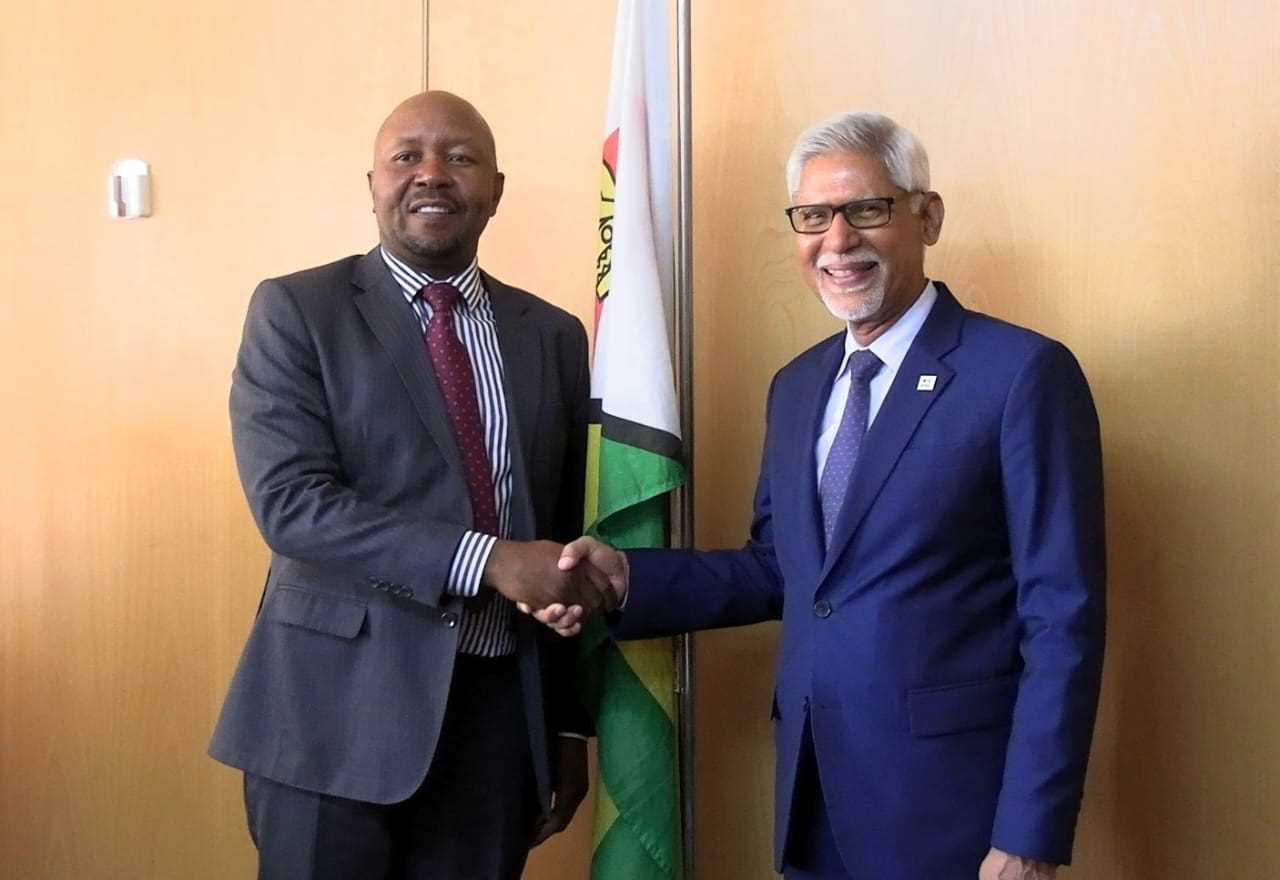
During a meeting in Harare, Health and Child Care Permanent Secretary Aspect Maunganidze and IFRC Secretary-General Jagan Chapagain discussed expanding cooperation in community health, routine immunisation and healthcare support for Zimbabweans returning from South Africa.
According to the Ministry of Health and Child Care, the discussions focused on "enhancing collaboration between the Government of Zimbabwe and the Red Cross Society, particularly in strengthening community health initiatives and accelerating immunization coverage."
The meeting also explored "vital strategies for integrating Zimbabwean returnees from South Africa into the national health sector," reaffirming cooperation between the Government and the Zimbabwe Red Cross Society.
The discussions come as Zimbabwe seeks to strengthen primary healthcare at a time when preventable diseases continue to pose a threat across the region. While the country has maintained relatively high routine immunisation coverage over the years, health authorities continue to face challenges in reaching every child, particularly in remote communities, maintaining vaccine supplies, and responding to periodic outbreaks of diseases such as measles and cholera.
According to the World Health Organization (WHO), immunisation prevents an estimated 3.5 million to 5 million deaths globally every year, making it one of the most cost-effective public health interventions. Yet the WHO estimates that millions of children worldwide still miss essential vaccines annually, increasing the risk of outbreaks of vaccine-preventable diseases.
Related Stories
The importance of strengthening immunisation systems was reinforced at the recent East and Southern Africa Expanded Programme on Immunisation Managers' Meeting held in Harare, where health leaders from more than 20 countries adopted the Harare Roadmap to accelerate the Immunisation Agenda 2030.
UNICEF Regional Director for Eastern and Southern Africa Etleva Kadilli said immunisation efforts should be judged by whether "more children are vaccinated" rather than by policy commitments alone.
That message reflects a challenge facing Zimbabwe's health sector. National strategies and international partnerships have expanded over the years, but implementation continues to be constrained by shortages of health workers, periodic medicine stock-outs, limited resources and dependence on donor funding for key public health programmes.
For ordinary Zimbabweans, stronger community health systems could mean earlier detection of disease outbreaks, improved access to vaccinations, better maternal and child healthcare, and reduced travel costs for families who currently rely on distant health facilities. Community health workers also play a critical role in health education, disease surveillance and ensuring patients remain on treatment for chronic illnesses such as HIV and tuberculosis.
The discussions also highlight an emerging healthcare challenge: the integration of Zimbabweans returning from South Africa.
Returning migrants often require uninterrupted access to HIV treatment, tuberculosis care, maternal health services and routine immunisation. Without effective coordination, interruptions in treatment can affect individual health outcomes while increasing pressure on local clinics that are already operating with limited resources.
The IFRC has long supported Zimbabwe through the Zimbabwe Red Cross Society in areas including epidemic preparedness, disaster response, first-aid training and community health programmes. Expanding that partnership is expected to strengthen local health systems while improving coordination during disease outbreaks and humanitarian emergencies.









Leave Comments