








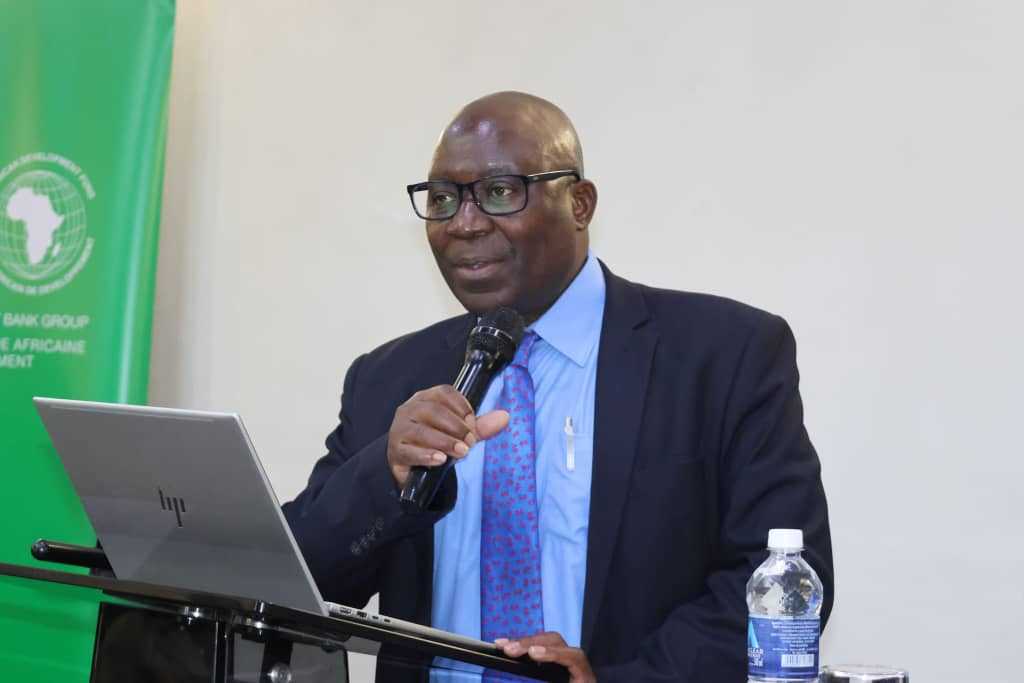
Zimbabwe has launched a US$4 million African Development Bank (AfDB)-backed project aimed at accelerating the country's arrears clearance and debt resolution efforts, a key reform programme that authorities believe could unlock international financing, restore investor confidence and strengthen the economy.
The Zimbabwe Arrears Clearance Dialogue Enhancement Project (ZACDEP), unveiled by the Ministry of Finance, Economic Development and Investment Promotion, will run for three years and is designed to strengthen dialogue with creditors while improving the institutional capacity needed to implement governance and economic reforms.
The initiative comes as Zimbabwe continues to pursue an ambitious strategy to resolve more than US$23 billion in external and domestic debt that has constrained access to concessional financing from international financial institutions for more than two decades.
According to the Ministry of Finance, the project is intended to "accelerate the implementation of the country's arrears clearance and debt resolution roadmap through strengthened dialogue, institutional capacity building and governance reforms."
Government said the project is expected to play a pivotal role in restoring macroeconomic stability, unlocking development financing and advancing inclusive economic growth.
The launch represents another step in Zimbabwe's arrears clearance process, which has been facilitated by African Development Bank President Akinwumi Adesina and former Mozambican President Joaquim Chissano through the Structured Dialogue Platform established in 2022. The platform has brought together Government, bilateral creditors, multilateral financial institutions, development partners, civil society and the private sector to identify reforms required before debt restructuring can proceed.
Unlike traditional debt repayment programmes, ZACDEP focuses on strengthening the institutions needed to support debt resolution.
The Ministry said the project "supports the implementation of the arrears clearance and debt resolution roadmap while strengthening governance, public debt management and oversight systems."
It will also "promote structured dialogue among Government, creditors and civil society, alongside building institutional capacity in debt management, land tenure and anti-corruption frameworks."
These areas have consistently featured among the reform priorities identified by Zimbabwe's international partners. Questions surrounding governance, public financial management, land tenure security and anti-corruption measures have long been viewed as critical to rebuilding confidence among creditors and attracting long-term investment.
Related Stories
Analysts say debt resolution is about far more than reducing outstanding obligations. Zimbabwe has accumulated debt arrears over decades, limiting its ability to borrow from institutions such as the World Bank, the African Development Bank and other multilateral lenders on concessional terms. Without access to affordable long-term finance, infrastructure development, industrial expansion and public service investment become increasingly difficult.
Government argues that resolving the debt impasse would unlock development financing far exceeding the value of the ZACDEP project itself by reopening access to international capital markets and concessional lending.
The Ministry said the initiative also advances Vision 2030, which seeks to transform Zimbabwe into an upper-middle-income economy, and aligns with the National Development Strategy 2 (NDS2), whose priorities include macroeconomic stability, governance reforms and international re-engagement.
"By addressing structural constraints linked to debt distress and reinforcing institutional credibility, ZACDEP is expected to contribute to the broader transformation trajectory envisioned under these frameworks," the Ministry said.
The timing of the project is significant. Zimbabwe has recorded improving macroeconomic indicators over the past year, including sustained single-digit inflation, increased foreign currency inflows, stronger gold export earnings and the implementation of an International Monetary Fund Staff-Monitored Programme. Authorities hope these gains will bolster confidence among creditors as debt negotiations continue.
However, debt experts caution that dialogue alone will not resolve Zimbabwe's debt burden.
Creditors will continue to assess the pace of governance reforms, fiscal discipline, public debt transparency and implementation of agreed policy commitments before considering comprehensive debt restructuring or new financial support.
The Ministry acknowledged that implementation will be decisive.
The Ministry said the project's success will depend on coordinated implementation across Government institutions, development partners and non-state actors.
It added that, if effectively executed, the project is expected to ease Zimbabwe's debt burden, improve governance standards and position the country for sustainable economic recovery and deeper integration into regional and global financial systems.
While the US$4 million project is modest compared with Zimbabwe's overall debt obligations, its significance lies in helping to build the institutional architecture needed to conclude one of the country's most important economic reform programmes. If the reforms gather momentum and creditors respond positively, ZACDEP could become a catalyst for restoring Zimbabwe's access to international finance, reducing borrowing costs and supporting long-term economic recovery.







Leave Comments