








Zimbabwe's road infrastructure financing model must evolve to match growing traffic volumes and changing transport patterns if the country is to preserve its road network and support its Upper-Middle-Income Economy ambitions, the Zimbabwe National Road Administration (ZINARA) has said.
The call comes at a time when the Government is investing heavily in the rehabilitation of major highways, including the Harare–Beitbridge and Bulawayo–Victoria Falls roads, while facing increasing maintenance costs driven by rising freight traffic and ageing infrastructure.
Speaking during the Zimpapers Public Lecture Series hosted by the Harare Institute of Technology under the theme, "Moving Zimbabwe Forward: Transport Logistics as the Backbone of the Upper-Middle-Income Economy," ZINARA Finance Director Adam Zvandasara said sustainable financing will be critical to protecting Zimbabwe's strategic transport network.
"Road infrastructure financing must evolve to keep pace with increasing traffic volumes and changing transport patterns if Zimbabwe is to safeguard its road network and achieve its development ambitions," he said.
The lecture brought together transport sector leaders, policymakers, academics and industry experts to examine the role of transport logistics in driving economic growth, regional integration and industrial development.
Presenting on behalf of ZINARA, Zvandasara said Zimbabwe's geographical position as a regional transport corridor presents significant economic opportunities but also places greater pressure on the national road infrastructure.
"Zimbabwe's strategic location at the heart of Southern Africa and its extensive transit network are valuable assets that can strengthen regional trade and economic competitiveness," he said.
However, he noted that preserving those assets requires financing models capable of responding to the growing demand for road maintenance and rehabilitation.
Related Stories
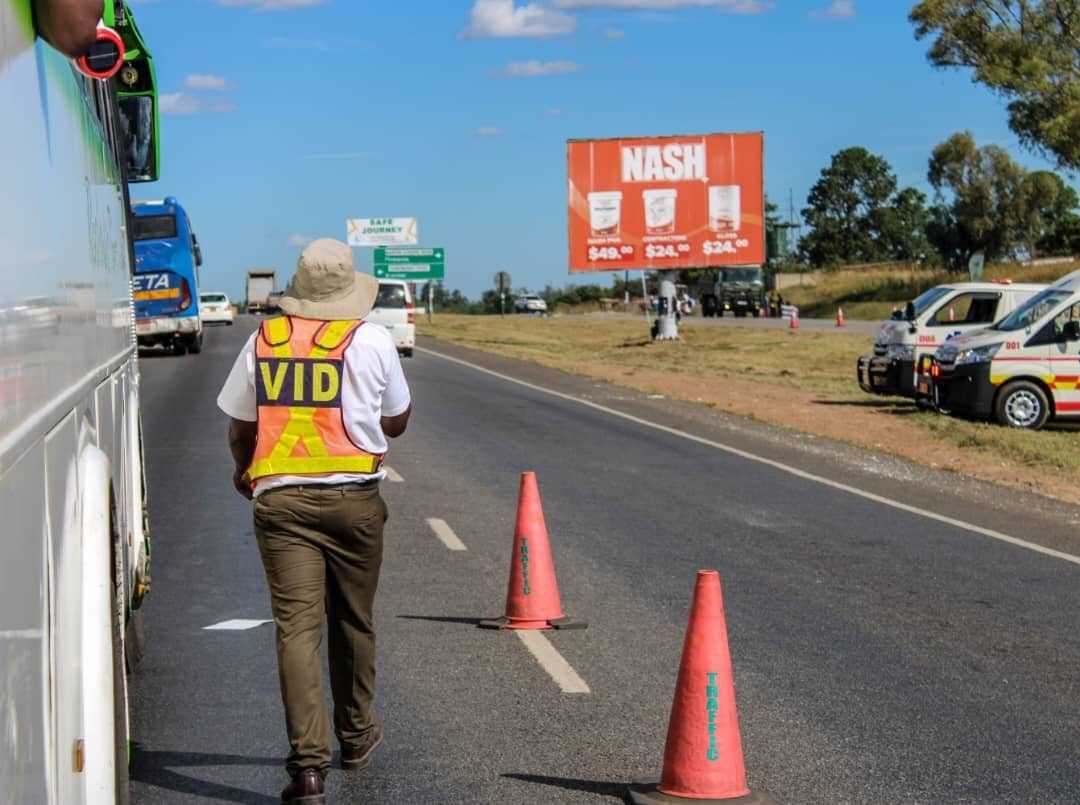
The remarks come as freight transport continues to shift from rail to road, increasing the number of heavy trucks using highways originally designed for lower traffic volumes. Road engineers have long warned that overloaded freight vehicles significantly accelerate pavement deterioration, increasing maintenance costs and shortening the lifespan of road infrastructure.
Addressing concerns over the condition of major highways, Zvandasara said ZINARA is strengthening revenue administration while exploring financing mechanisms that can support more timely maintenance.
"ZINARA continues to strengthen its revenue administration systems while promoting financing mechanisms that support timely road maintenance and rehabilitation," he said.
He also argued that the long-term preservation of infrastructure will depend on restoring balance between road and rail transport.
"A balanced transport system, where rail carries a greater share of bulk freight while roads efficiently serve passenger and lighter commercial traffic, is essential to preserving the country's road assets and reducing long-term maintenance costs," he said.
The comments align with the Government's broader infrastructure strategy, which seeks to revive the national railway system while upgrading key road corridors that support domestic commerce and regional trade. Projects such as the proposed Lion's Den–Kafue Railway and the ongoing rehabilitation of the National Railways of Zimbabwe are intended to shift heavy bulk cargo away from roads, reducing congestion and limiting damage caused by heavy axle loads.
The discussion also comes weeks after the Government abolished the long-standing Road Access Fee through Statutory Instrument 113 of 2026, removing a charge that many transport operators had argued duplicated payments already made through ZINARA toll gates. While the move is expected to lower transport costs and improve the ease of doing business, it also places greater emphasis on ensuring that existing road user charges generate sufficient resources to sustain road maintenance and future infrastructure development.
Officials have stated that inadequate maintenance is significantly more expensive in the long term than routine preservation, as roads allowed to deteriorate beyond critical thresholds often require complete reconstruction rather than periodic rehabilitation.







Leave Comments