









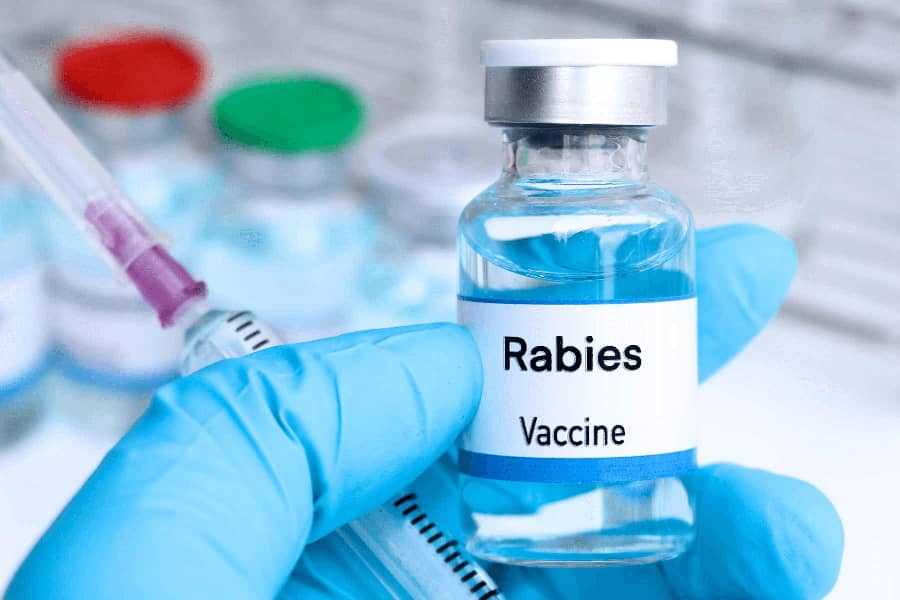
Zimbabwe’s animal disease prevention programme has recorded significant gains, with more than 306,000 dogs vaccinated against rabies and anthrax protection extended to over 160,000 cattle in Masvingo.
However, authorities say sustaining these gains will require stronger disease surveillance, responsible animal ownership and continued investment in veterinary infrastructure.
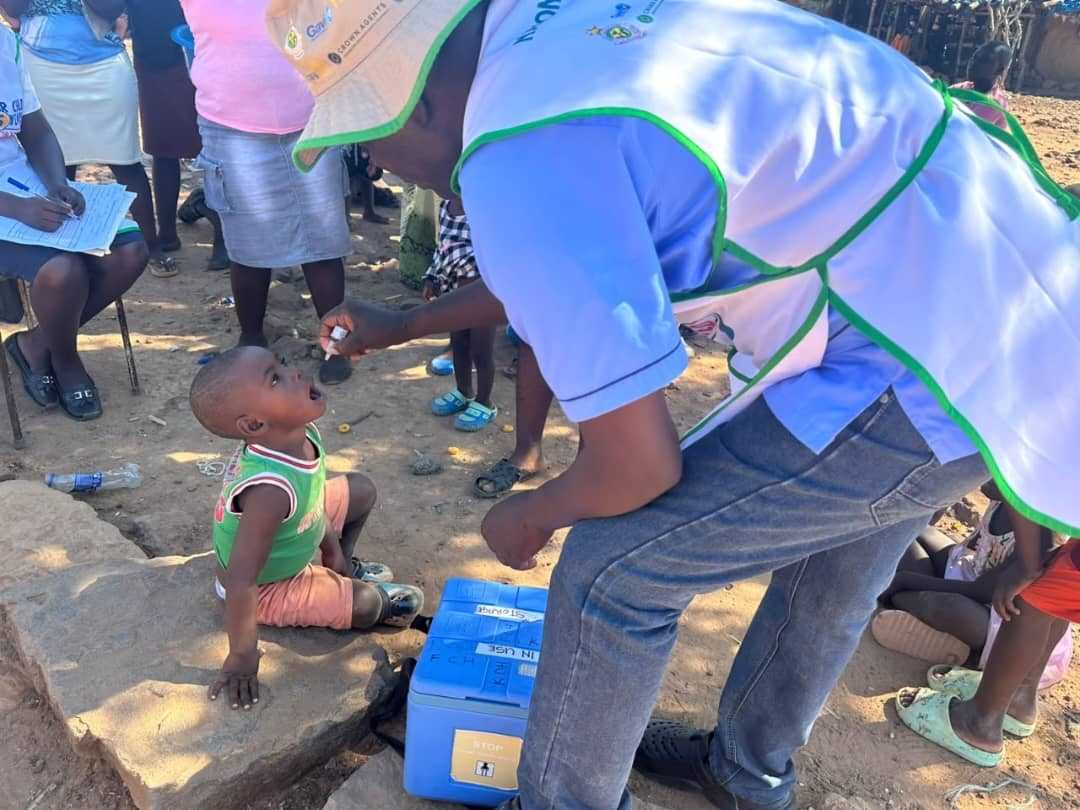
Figures from the Ministry of Agriculture show that the national rabies vaccination campaign has reached 306,786 dogs, representing 61.4% of the 500,000-dog target set for 2026. In Masvingo, the Directorate of Veterinary Services exceeded its anthrax vaccination target after inoculating more than 160,000 cattle against a provincial target of 130,000.
The figures point to a growing emphasis on prevention as Zimbabwe seeks to protect livestock assets, reduce public health risks and strengthen resilience against climate-related pressures that can increase vulnerability to animal diseases.
Permanent Secretary in the Ministry of Agriculture Obert Jiri said the rabies vaccination programme was progressing according to plan.
“The national rabies vaccination programme remains on course, with a target of vaccinating 500,000 dogs in 2026. To date, 306,786 dogs, approximately 61.4% of the annual target, have been vaccinated,” Jiri said.
The vaccination campaign comes against the backdrop of the continuing public health threat posed by rabies, a zoonotic disease transmitted mainly through bites from infected dogs. The World Health Organization estimates that rabies causes about 59,000 human deaths globally every year, although the disease is preventable through widespread dog vaccination and timely post-exposure treatment.
For Zimbabwe, the challenge is not only increasing vaccination numbers but also ensuring that coverage reaches the wider dog population, including free-roaming and stray dogs that are harder to access during routine campaigns.
Previous estimates have suggested that Zimbabwe’s dog population is significantly larger than the Government’s annual vaccination target, with historical studies placing the national canine population at more than 1.3 million. While those figures are dated, they illustrate the scale of the task of maintaining sufficient vaccination coverage across owned, roaming and unregistered dogs.
Veterinary authorities have continued to emphasise that rabies control depends on a combination of mass vaccination, responsible dog ownership, community awareness and cooperation among Government, local authorities and animal welfare organisations.
Related Stories
The presence of stray dogs does not necessarily indicate a failure of vaccination efforts but rather represents a logistical challenge faced by many countries implementing rabies elimination programmes. Reaching animals without identifiable owners requires different interventions, including population management, reporting systems and targeted community campaigns.
Beyond rabies, Government is also strengthening livestock disease control measures as climate variability increases pressure on rural farming systems.
Jiri said authorities had intensified anthrax prevention in Masvingo ahead of anticipated dry conditions associated with El Niño-related weather risks.
“Government has intensified livestock protection in Masvingo ahead of the anticipated El Niño drought. Through the Directorate of Veterinary Services, we have vaccinated over 160,000 cattle against anthrax, surpassing our target of 130,000,” he said.
The Ministry is also rehabilitating 120 dip tanks, drilling boreholes, installing water troughs, and supporting hay baling and fodder production in areas that have previously experienced anthrax outbreaks.
“These measures are about protecting the national herd, safeguarding livelihoods and building a climate-resilient livestock sector,” Jiri said.
The focus on animal health reflects the economic importance of livestock in Zimbabwe’s rural economy. Cattle, goats and other livestock provide households with income, draught power, food products and a financial reserve during periods when crop production is affected by drought.
According to the Government’s agricultural strategy, protecting livestock is increasingly linked to food security because animal losses can reduce household resilience at the same time that climate shocks affect crop yields.
However, maintaining progress will depend on whether veterinary services can match the scale of the challenge. Disease prevention requires not only vaccines but also functioning dip tanks, reliable water supplies, disease surveillance systems and adequate access to veterinary personnel, particularly in remote farming areas.
Climate variability adds another layer of complexity. Dry conditions can weaken animals through reduced grazing and water shortages, making them more susceptible to disease, while changes in weather patterns can influence the spread and occurrence of certain animal diseases.









Leave Comments