







Zimbabwe may possess one of the world’s most strategically valuable combinations of critical minerals, but the bigger question is why that geological advantage has not yet translated into a much larger industrial investment boom.
Mining and investment commentator Prisca Mutema says Zimbabwe belongs to an elite group of only five countries — alongside China, Australia, Canada and Russia — where the primary mineral inputs for both the electric-vehicle battery chain and artificial-intelligence hardware are found within one national border.
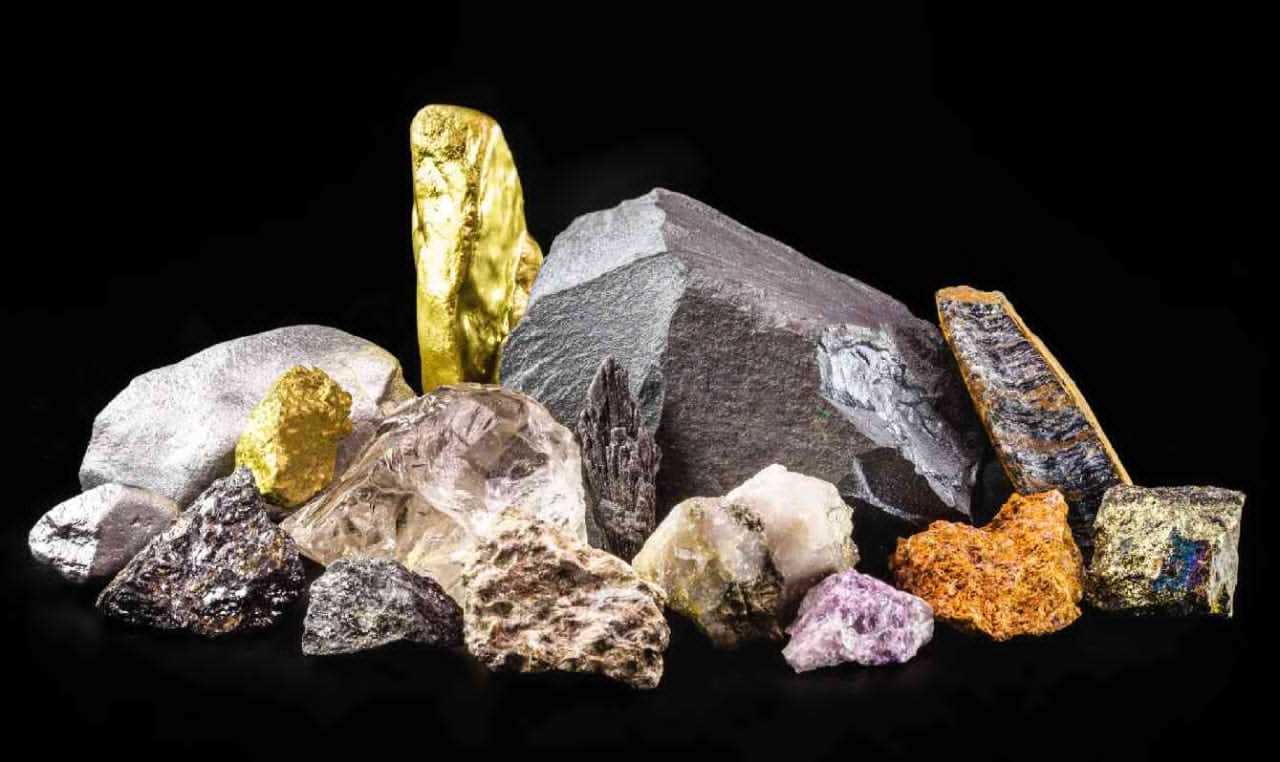
“Zimbabwe sits in an elite geological tier,” Mutema said, listing lithium, nickel, cobalt, manganese and graphite for batteries, alongside copper, chrome, platinum-group metals and rare earth elements for AI hardware.
The report she cited ranks Zimbabwe second overall in critical-tech mineral self-sufficiency behind China, but first for accessibility and concentration, arguing that the country’s geological advantage lies in the proximity of several mineral deposits.
That claim is supported in part by Zimbabwe’s established mineral profile. The US Geological Survey identifies Zimbabwe as a major producer of platinum, lithium and palladium, while the Ministry of Mines says the country has about 60 economically significant minerals and describes the Great Dyke as one of the world’s major concentrations of chromite and platinum-group metals.
The opportunity is therefore bigger than simply exporting ore. If Zimbabwe can process these minerals locally and build industries around them, it could capture substantially more value from the global energy and technology transition.
That is where the country’s biggest challenge begins.
Geology does not automatically become investment.
Related Stories
Mining companies still need reliable electricity, transport infrastructure, water, finance, skilled labour and predictable regulation. Zimbabwe’s mining industry has itself identified inadequate infrastructure, high capital costs, foreign-currency constraints and other policy and operating challenges as barriers to expansion.
The lithium experience illustrates the gap. Zimbabwe has attracted more than US$1 billion in lithium investment, but much of the output has remained concentrated in spodumene exports and processing stages below the level of finished battery materials.
The Government is now pushing harder for beneficiation, including restrictions on exports of raw minerals and lithium concentrates and measures designed to increase domestic processing.
That creates the central investment test: can Zimbabwe persuade global companies to put factories, processing plants and technology supply chains next to its mineral deposits rather than simply buying the ore and processing it elsewhere?
Mutema’s challenge is therefore more important than the headline ranking.
“What’s stopping it?” she asks, arguing that the country’s geological advantages should be enough to put Zimbabwe on the radar of major global executives.
The answer is likely to be found not underground but in the business environment above it.
Zimbabwe has the minerals. The missing piece is an industrial ecosystem capable of turning those minerals into globally competitive products.
That means moving from mine to refinery, refinery to components, and components to manufacturing.








Leave Comments