









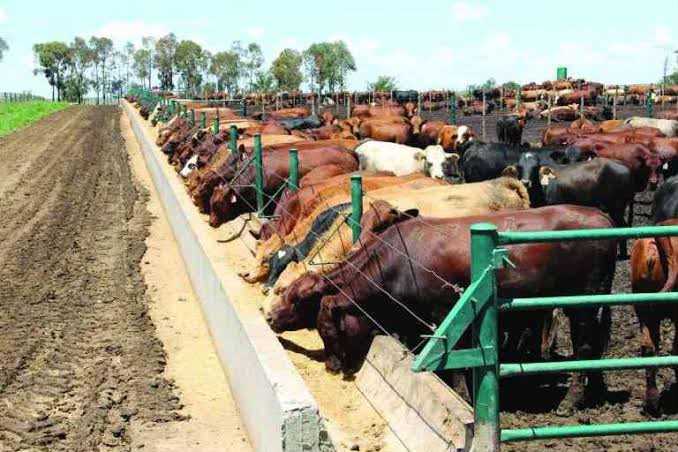
Zimbabwe’s livestock sector is set for a technology-driven boost following the launch of an artificial intelligence-powered livestock genomics platform developed by Kraal-Gen Analytics, opening new opportunities for farmers to improve breeding decisions and productivity.
The platform, launched with support from the United States Embassy, the United States Department of Agriculture (USDA) and U.S. Livestock Genetics Export, is the first of its kind in Zimbabwe and is designed to give livestock producers access to genetic and performance data to guide breeding decisions.
The development was driven by Mandela Washington Fellow Shamiso Masuka, whose exchange experience in Oklahoma helped establish links with United States-based company AgBoost, bringing American technology and expertise into Zimbabwe’s livestock industry.
U.S. Ambassador to Zimbabwe Tremont said the technology was designed to complement, rather than replace, farmers’ existing knowledge.
“This technology does not replace Zimbabwean farmers' knowledge; it strengthens it, giving producers of every size access to the same world-class genetic and performance dashboards used by leading operations around the world,” she said.
The platform comes as Zimbabwe emerges as one of the fastest-growing markets for United States bovine genetics, creating opportunities for increased trade and investment between the two countries.
Related Stories
U.S. genetics have already supported more than 1.5 million Zimbabwean farmers through access to quality genetics, contributing to improved livestock productivity.
Ambassador Tremont said the partnership demonstrated how collaboration between Zimbabwean entrepreneurs and American institutions could translate technological innovation into economic opportunities for farmers and communities.
She also highlighted Masuka’s role in turning knowledge gained through the Mandela Washington Fellowship into a local business solution.
“Shamiso's story reflects exactly what the fellowship is designed to achieve — equipping talented young African leaders with skills and intentional exposure that they bring home to solve challenges in their own communities,” she said.
The development places data and artificial intelligence at the centre of Zimbabwe’s livestock value chain, with breeders able to use genetic and performance information to make more informed decisions.
For the livestock industry, the technology creates potential to improve breeding efficiency, productivity and the quality of Zimbabwe’s herd while strengthening links between local producers and the international livestock genetics market.







Leave Comments