








ART Holdings recorded a 15% decline in group sales volumes during the third quarter to June 2026 as weak battery demand, tight cash and cheaper imports continued to affect its businesses.
Quarterly turnover fell 9% to US$7.06 million from US$7.79 million in the same period last year. However, turnover for the nine months remained almost unchanged at US$21.34 million, compared with US$21.32 million a year earlier.
The company said demand remained weak despite a more stable economic environment.
“Market demand, however, remained subdued,” ART said, adding that the expected seasonal increase in replacement battery sales was weaker than expected.
The company also faced growing competition from cheaper imported batteries.
“Low-priced imports continued to exert pricing pressure, particularly in batteries, where regional manufacturers are facing growing competition from lower-cost products,” it said.
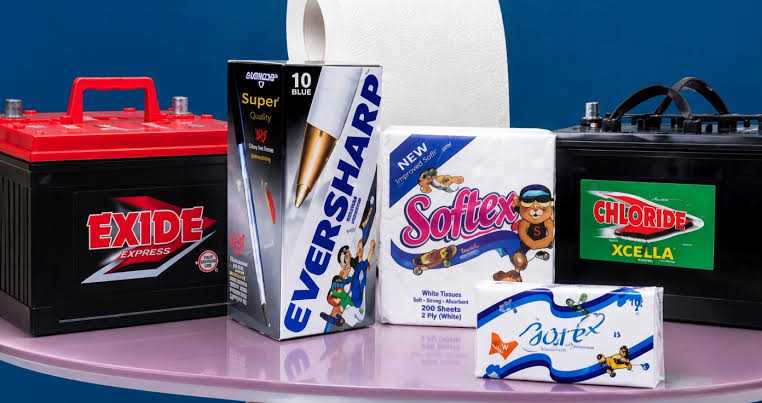
Battery sales were the main drag on performance. Zimbabwe battery volumes fell 26% during the quarter and 9% for the nine months, while Zambia volumes dropped 16% and 9%, respectively.
Related Stories
ART said working capital remained its biggest challenge.
“Working capital remains the main limitation to increasing production and asset utilisation,” the company said.
Despite lower sales volumes, operating results improved following restructuring, tighter cost controls and a better product mix. Energy Storage also returned to operating profitability during the period.
Not all divisions struggled. Eversharp stationery volumes rose 13% year-on-year, while Mutare Estates remained the group’s strongest performer, with sales volumes 24% higher for the nine months.
ART is also restructuring its business into separate subsidiaries, which it expects to complete by the end of the financial year.
The group said the new structure should make it easier for individual businesses to access funding and strategic partners.
For the final quarter, ART expects competition, tight liquidity, higher input costs and imports to remain key challenges.
Management said its focus will be on restoring battery sales, improving factory utilisation, strengthening working capital and cutting costs.







Leave Comments