









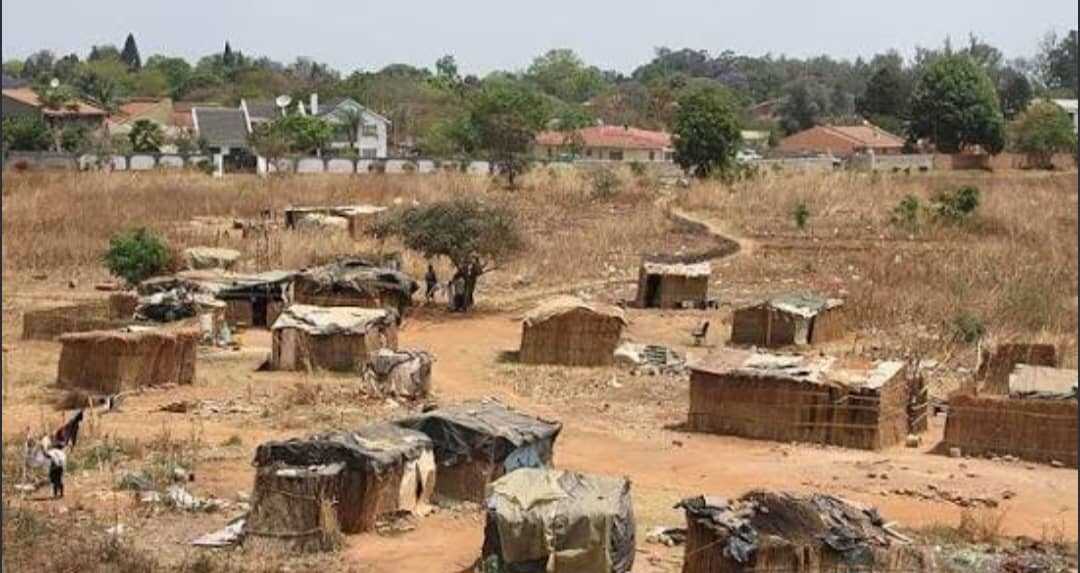
Politicians are shielding land invaders from enforcement action, with Zvimba Rural District Council chairperson Councillor Spencer Magaya telling Parliament that some settlements are deliberately allowed to expand ahead of elections to secure votes.
Magaya made the allegations while giving oral evidence before the Parliamentary Portfolio Committee on Local Government, saying politicians were undermining councils' efforts to enforce development controls.
He said council officials, including engineers and planners, were sometimes confronted by Members of Parliament and councillors when attempting to stop construction in unauthorised settlements.
“There are areas that are not built at times like now; they are built towards elections,” Magaya said.
He said the political incentive was to allow settlements to grow because politicians wanted to secure electoral support.
“Going into elections, the MP wants to win and council wants to maintain development control, so when an engineer/planner goes to the site, he will find the MP and Councillor there, he is then told to go back,” he said.
According to Magaya, officials were sometimes explicitly told that the settlements represented an important source of votes.
Related Stories
“He gets told that that is where the majority of votes come from, so especially places like Zvimba, that's how those areas grew,” he said.
Magaya acknowledged that elected officials themselves were contributing to the problem.
“So that's on us as politicians. We are influencing that because we benefit from it,” he said.
His testimony points to a conflict between councils' statutory responsibility to control development and the political interests of elected officials seeking to maintain support in their constituencies.
Unplanned settlements and illegal land allocations have become a persistent challenge for local authorities, putting pressure on councils to provide roads, water, sanitation and other services in areas that may not have been formally approved for development.
Magaya's evidence suggests that enforcement is further complicated when politicians intervene to protect residents or prospective voters from action by council officials.
The admission also raises questions about the effectiveness of existing measures to curb land invasions, particularly where those responsible for enforcing planning regulations face political pressure from elected representatives.
The Portfolio Committee is examining issues affecting local government, including challenges confronting councils in managing land, development and service delivery.









Leave Comments