






Zimbabwe’s emerging waste-management model is gaining traction beyond its borders, with Botswana moving towards a formal partnership with Geo Pomona Waste Management as the country looks to transform landfills from dumping grounds into centres of recycling, green energy and economic activity.
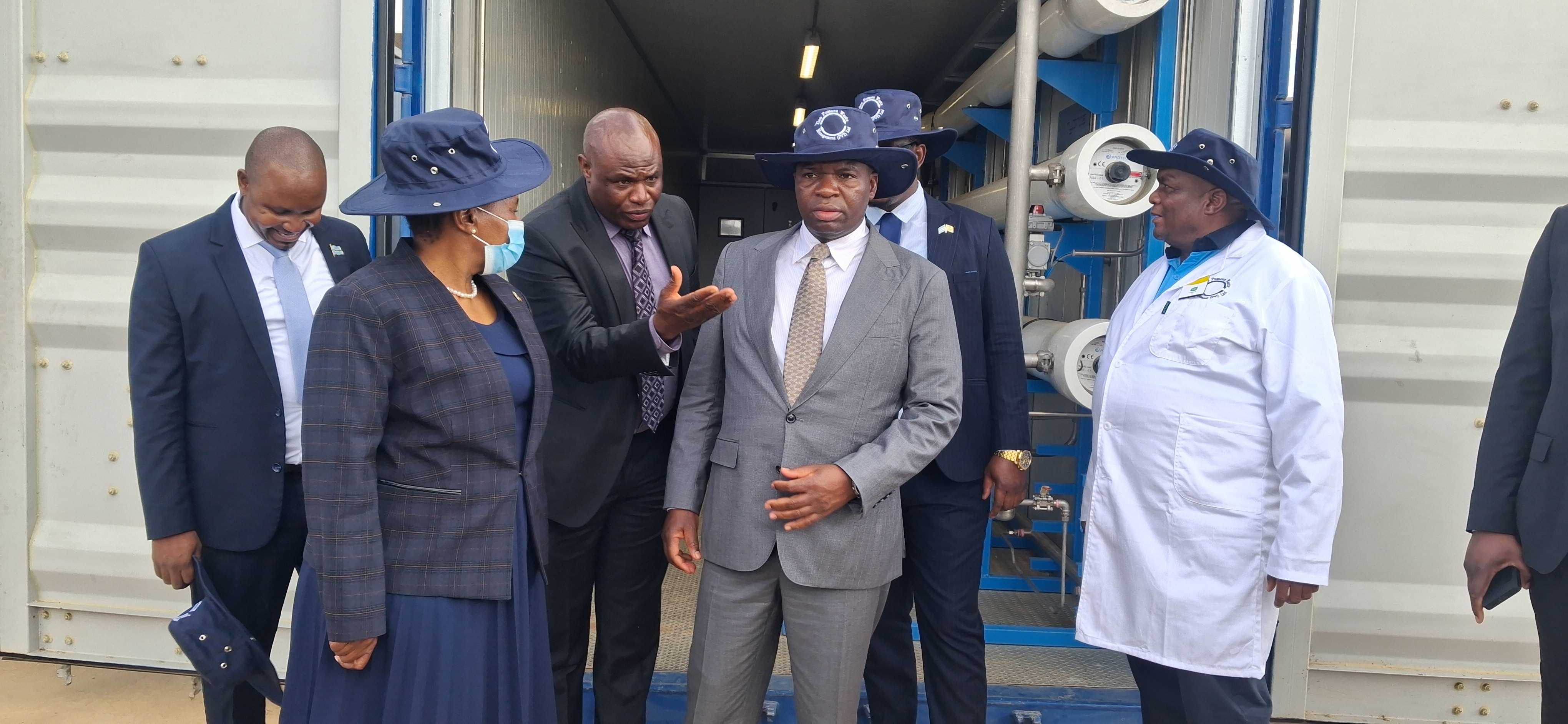
The proposed partnership follows a series of high-level visits by Botswana officials to the Geo Pomona facility in Harare, including a visit by Botswana’s Minister of Local Government and Traditional Affairs, Ketlhalefile F.C. Motshegwa, who toured the facility accompanied by the Mayor of Francistown.
Motshegwa said Botswana could no longer afford to view landfills simply as places to dispose of rubbish, arguing that waste should instead be treated as an economic resource.
“We realise that we should not treat landfills as merely places where we deposit waste,” he said.
“We need to revolutionise the management of landfills to think about green energy, recycling and other opportunities, and even bring entrepreneurship and an enterprising aspect into it.”
The visit has elevated Geo Pomona from a domestic waste-management project into a potential regional reference point for Southern Africa, as countries grapple with mounting volumes of municipal waste, pollution and ageing landfill infrastructure.
Geo Pomona chief executive officer and executive chairman, Dr Dilesh Nguwaya, who is also the Special Advisor to the President on Waste Management and Environmental Sustainability said discussions with Botswana had advanced to the point where the two sides were preparing to sign a Memorandum of Understanding.
“The Government of Botswana is interested in partnering with Geo Pomona Waste Management,” Nguwaya said.
“Now, the Minister of Local Government has come to visit Geo Pomona as part of efforts to finalise the Memorandum of Understanding which we are going to sign soon with the Government of the Republic of Botswana.”
He said previous engagements, including a visit by Botswana’s Vice President, demonstrated growing interest in Zimbabwe's approach.
Related Stories
“What is left now is to put pen to paper and sign the MoU,” Nguwaya said.
The potential agreement could give Zimbabwe an opportunity to export technical expertise, waste-management practices and environmental solutions while creating a platform for Botswana and other African countries to adapt the model to their own urban challenges.
Motshegwa said the practical experience gained during the tour was important for Botswana as it considers how to modernise its landfill systems.
“From here, we will be able to go back with a better understanding and appreciation because we needed to come here and see it practically. They say seeing is believing,” he said.
The minister also pointed to the economic potential of waste, particularly for small businesses and informal entrepreneurs involved in recovering materials.
“Waste is not just waste. You can create business, you can create jobs and you can fight poverty out of waste.”
That approach represents a fundamental shift from the traditional collect-and-dump model towards a circular economy in which discarded materials are recovered, recycled and converted into economic value.
For Zimbabwe, the growing Botswana interest could also strengthen the country's credentials in environmental innovation and create opportunities for local companies to participate in a regional waste-management market.
Motshegwa said Botswana was interested in ensuring that waste management contributed to environmental protection, climate action and sustainable development, particularly given that many of the country's landfills are administered by local authorities.
The proposed cooperation could therefore extend beyond a single facility to areas such as recycling, resource recovery, landfill rehabilitation, waste-to-energy solutions, skills development and entrepreneurship.



Leave Comments