








Delta Corporation’s non-alcoholic beverage business contributed US$473 million to Zimbabwe’s economy and supported more than 27,390 jobs across its value chain in 2025, according to a new economic impact study by global consultancy Steward Redqueen.
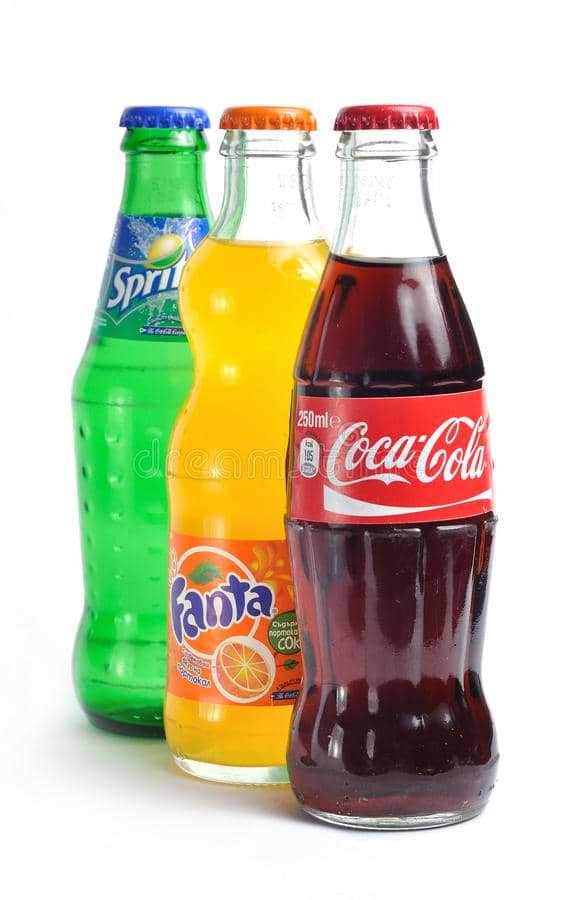
The study, announced by Delta on October 21, found that the company’s non-alcoholic ready-to-drink beverages, including products under Coca-Cola and other brands, generated economic activity spanning agriculture, manufacturing, distribution, retail and services.
The findings were presented at the 13th COMESA Business Forum in Harare, with Delta chief executive Matlhogonolo Valela saying the results highlighted the company’s contribution to economic growth, employment and local industry.
“This independent study reaffirms Delta Corporation’s essential role in Zimbabwe’s economic growth, job creation, and community development,” Valela said.
The report found that the non-alcoholic beverage portfolio supported 27,390 direct and indirect jobs, equivalent to 0.5% of Zimbabwe’s total national employment. It also estimated that for every direct job at Delta, another 21 jobs were supported across the wider economy, illustrating the employment generated through suppliers, distributors, retailers and related businesses.
The findings point to the importance of the company’s wider supply chain, where production and distribution create demand for agricultural inputs, packaging, transport, logistics and professional services.
Related Stories
Delta spent US$94 million procuring goods and services from Zimbabwean suppliers in 2025, according to the study. The expenditure supported local businesses supplying sugar and other raw materials, packaging products, logistics and professional services.
Valela said the company’s local sourcing and production strategy was intended to strengthen its links with domestic businesses and communities.
“Our business is deeply connected to Zimbabwe’s economy, and we are committed to hiring locally, sourcing locally, and producing locally,” he said. “This allows us to be an integral part of the nation’s growth and ensures we continue delivering shared value for our partners and communities.”
The study examined the economic contribution generated through Delta’s non-alcoholic beverage operations and their wider value chain. According to the company, Steward Redqueen combined financial and operational information with third-party economic data to assess the direct and indirect effects of the business.
The US$473 million figure represents the study’s estimated total gross domestic product impact associated with the non-alcoholic beverage portfolio and its value chain, rather than Delta’s reported revenue from those products.
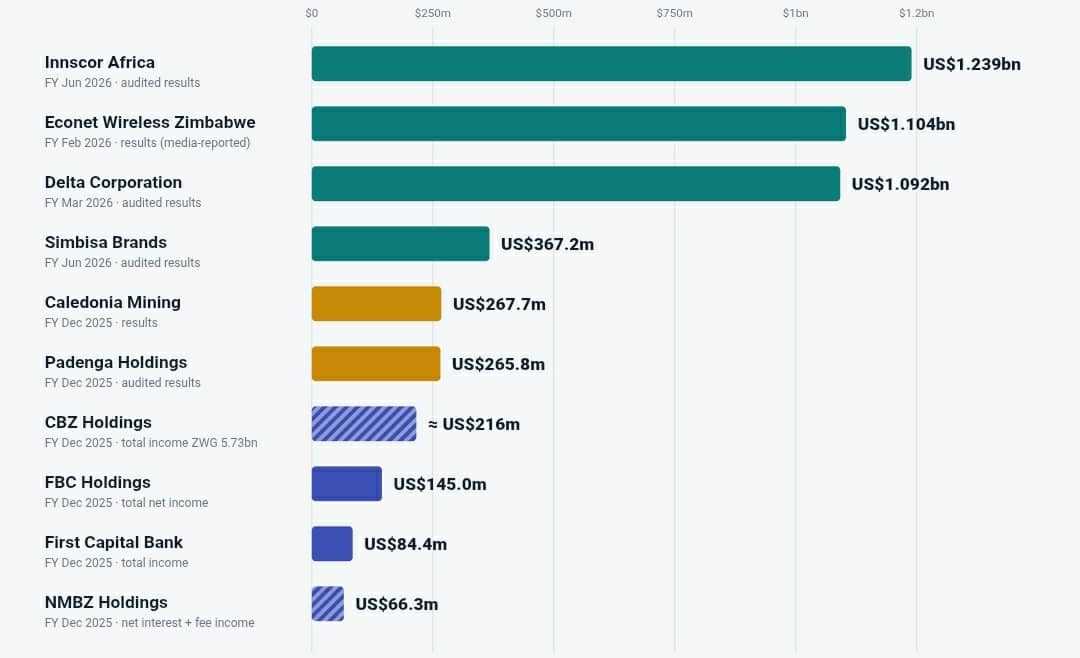
Delta is one of Zimbabwe’s largest listed companies, with operations that include brewing lager and sorghum beer, bottling sparkling soft drinks under licence from The Coca-Cola Company and operating a broad distribution network.




Leave Comments