







The State of Palestine has criticised the United States decision to deny entry visas to President Mahmoud Abbas and members of the official Palestinian delegation ahead of the 81st session of the United Nations General Assembly in New York.
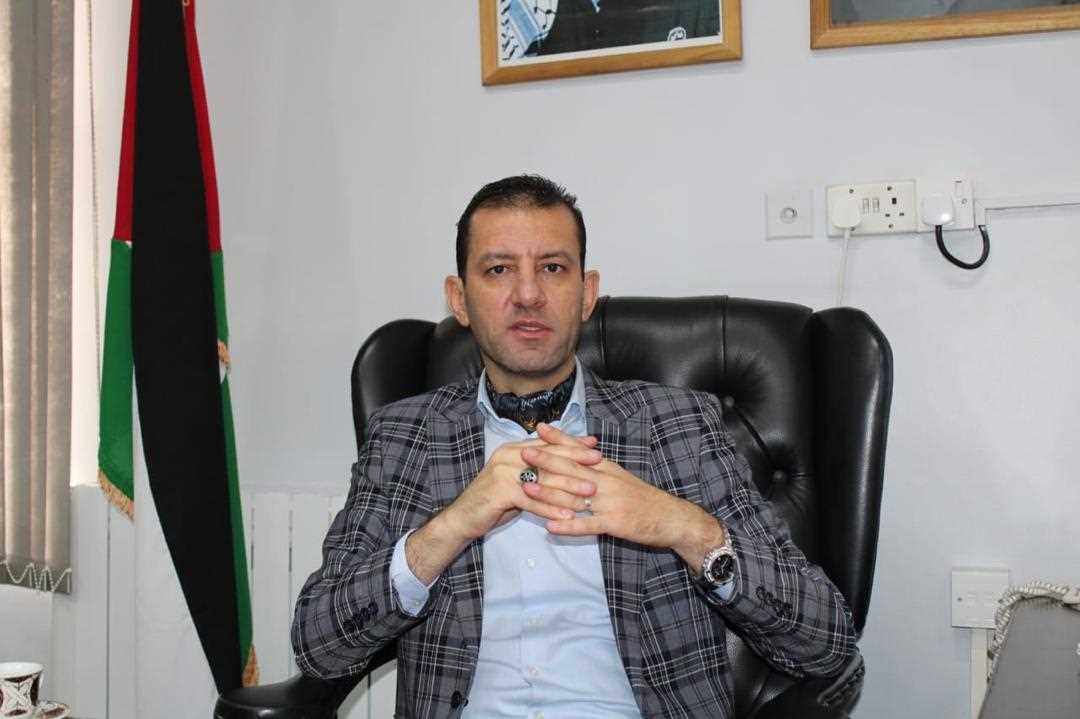
Palestine’s Ambassador to Zimbabwe, H.E. Dr Tamer Al-Massri said the decision prevented Palestinian representatives from directly addressing the international community.
“The decision is an attempt to silence the victims of ongoing genocide, ethnic cleansing, and systematic war crimes committed by Israel,” Dr Al-Massri said.
“For the second consecutive year, the United States has barred the legitimate representatives of the Palestinian people from appearing before the very body established to give every nation a voice,” he said.
The ambassador also questioned the decision in relation to the United States’ responsibilities as host country to the United Nations.
“As host country to the United Nations, the United States bears binding obligations under the 1947 UN Headquarters Agreement to facilitate, not obstruct, the access of accredited representatives and heads of delegation to UN premises,” Dr Al-Massri said.
Related Stories
“Refusing visas to Palestine’s leadership is a breach of that Agreement and in defiance of the spirit and letter of the UN Charter, which affirms the sovereign equality of all member and observer states and guarantees a platform for every people to address the community of nations.”
The United States has defended its decision, saying the restrictions are linked to concerns over actions by the Palestinian Authority and Palestine Liberation Organisation, including efforts to pursue the Israeli Palestinian conflict through international institutions.
Despite the visa restrictions, the UN General Assembly has adopted arrangements allowing Palestine to participate virtually in the high-level debate. A resolution supporting the arrangement was approved by 152 countries, with three voting against and four abstaining.
Dr Al-Massri said the decision should be viewed in the wider context of Palestine’s participation in multilateral diplomacy.
“We call on member states, the UN Secretary General and the international community to speak plainly against this pattern of exclusion, which sets a dangerous precedent for the future of multilateral diplomacy itself,” he said.
The ambassador maintained that the restrictions would not prevent Palestine from presenting its position at the General Assembly.
“The Palestinian people will not be silenced,” he said. “Palestine will be represented at this General Assembly, whatever obstacles are placed in its path, and the world will continue to hear its voice.”
With the General Assembly now underway, Palestine is set to use the virtual arrangement to maintain its participation in the high-level debate.




Leave Comments