









Africa Skills Week 2026 will seek to tackle one of the barriers to Africa’s economic transformation — the gap between education, practical skills and the ability to produce goods and services.
The African Union platform, which Zimbabwe will host in Harare from October 12 to 16, comes as African countries grapple with rapid technological change, youth unemployment, skills mismatches and weak links between training institutions and industry.
About 10 to 12 million young Africans enter the labour market every year, while only around three million formal jobs are created annually, according to the Ministry of Skills Audit and Development’s media brief.
The ministry says the challenge is not simply the number of young people entering the labour market, but whether they have relevant skills and opportunities to apply them productively.
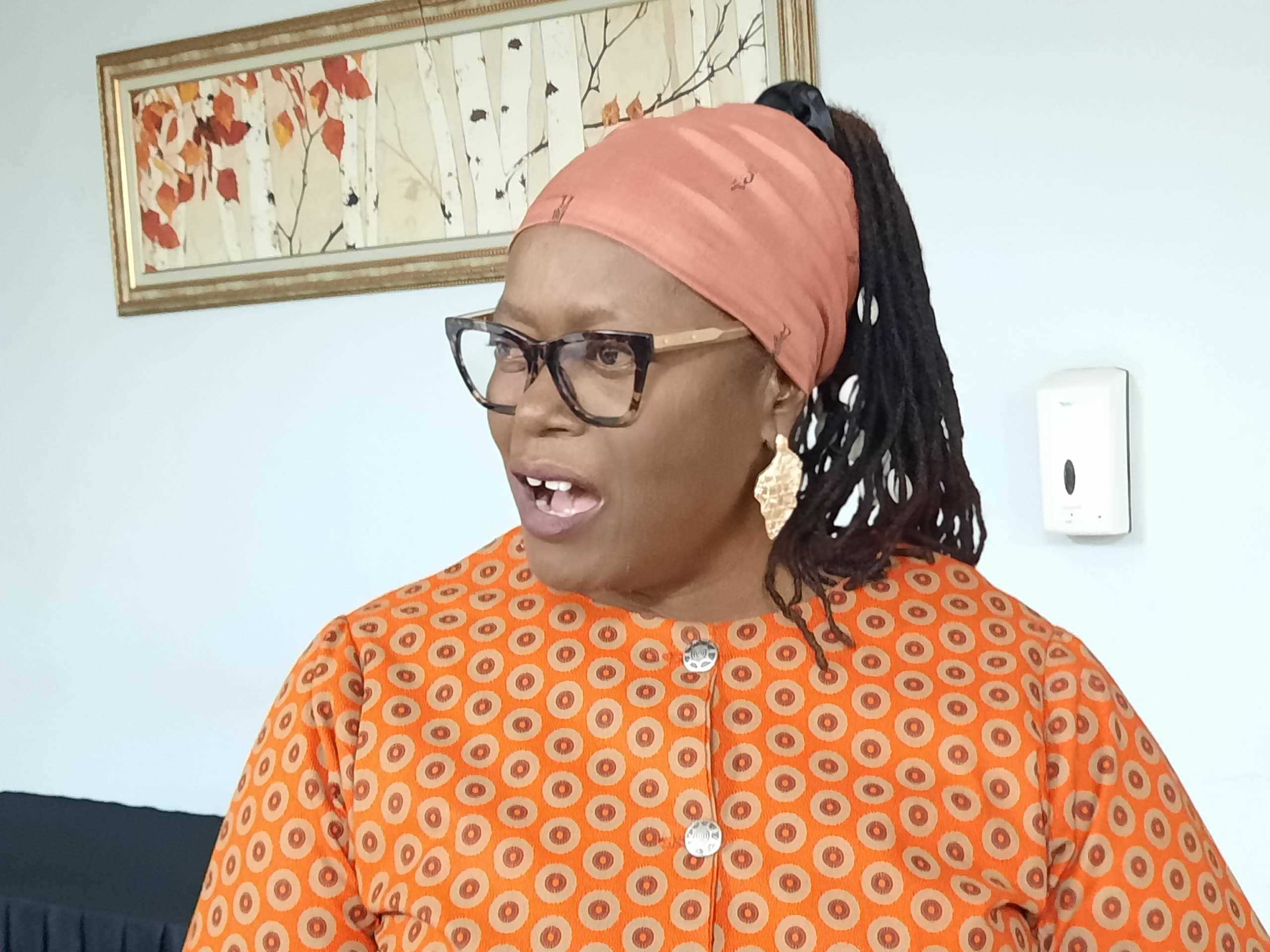
Permanent Secretary for Skills Audit and Development Ambassador Rudo Chitiga said Zimbabwe needed to change how society viewed technical and vocational education if the country was to achieve industrialisation and value addition.
“Zimbabwe as a society needs to start changing its mindset,” Chitiga said.
“It is the technical skills that can create self-employment. It is the technical skills that can create value addition. It is the technical skills that can lead to industrialisation.”
Her argument is central to the Africa Skills Week agenda, which seeks to move skills development beyond formal education and connect training directly to employment, entrepreneurship and production.
Chitiga said Zimbabwe’s industrialisation ambitions depended on having people capable of producing goods and services.
“In order to produce goods and services, it is important to have skills,” she said, drawing a distinction between academic qualifications and practical competencies.
Related Stories
“Skills are very different from degrees. Degrees are education and knowledge. And I think only now with Education 5.0 we are now adding the skills aspect of it.”
The ministry’s brief identifies the skills challenge as a continent-wide problem. Only around 6 percent of people across Africa benefit from technical and vocational education and training, while approximately 85 percent of Africa’s workforce operates in informal or otherwise precarious employment.
The brief also cites data showing that only about 43.3 percent of young people in sub-Saharan Africa had completed lower-secondary education in 2021.
The problem begins even earlier in the education system. The ministry notes that the African Union highlighted in 2026 that roughly four out of five African children aged 10 were unable to read and understand a simple text.
The ministry therefore describes Africa’s skills challenge as a complete skills-chain problem, extending from foundational literacy and numeracy through secondary education, TVET and higher education to lifelong learning, entrepreneurship and workplace-based training.
For Chitiga, however, changing attitudes towards technical skills is a critical part of the response.
She said vocational and technical education had long been treated as a second-class pathway, with families often preferring university education and viewing technical training as an option for those who had failed academically.
“It is a global problem where vocational and technical skills are seen as second grade,” she said.
That perception can discourage young people from pursuing practical skills needed in manufacturing, construction, engineering, agriculture, digital technologies and other productive sectors.
The ministry says training systems themselves also face major constraints, including outdated curricula, inadequate equipment, shortages of appropriately trained instructors and insufficient financing.
Africa Skills Week is intended to bring governments, industry, academia, youth and development partners together to address those gaps and strengthen the relationship between training and the productive economy.









Leave Comments