






Period poverty is not just about missing school it’s a public health crisis and a barrier to equality. In Zimbabwe, where stigma still surrounds menstruation and systemic response is limited, one young woman is transforming silence into strategy and advocacy into policy impact.
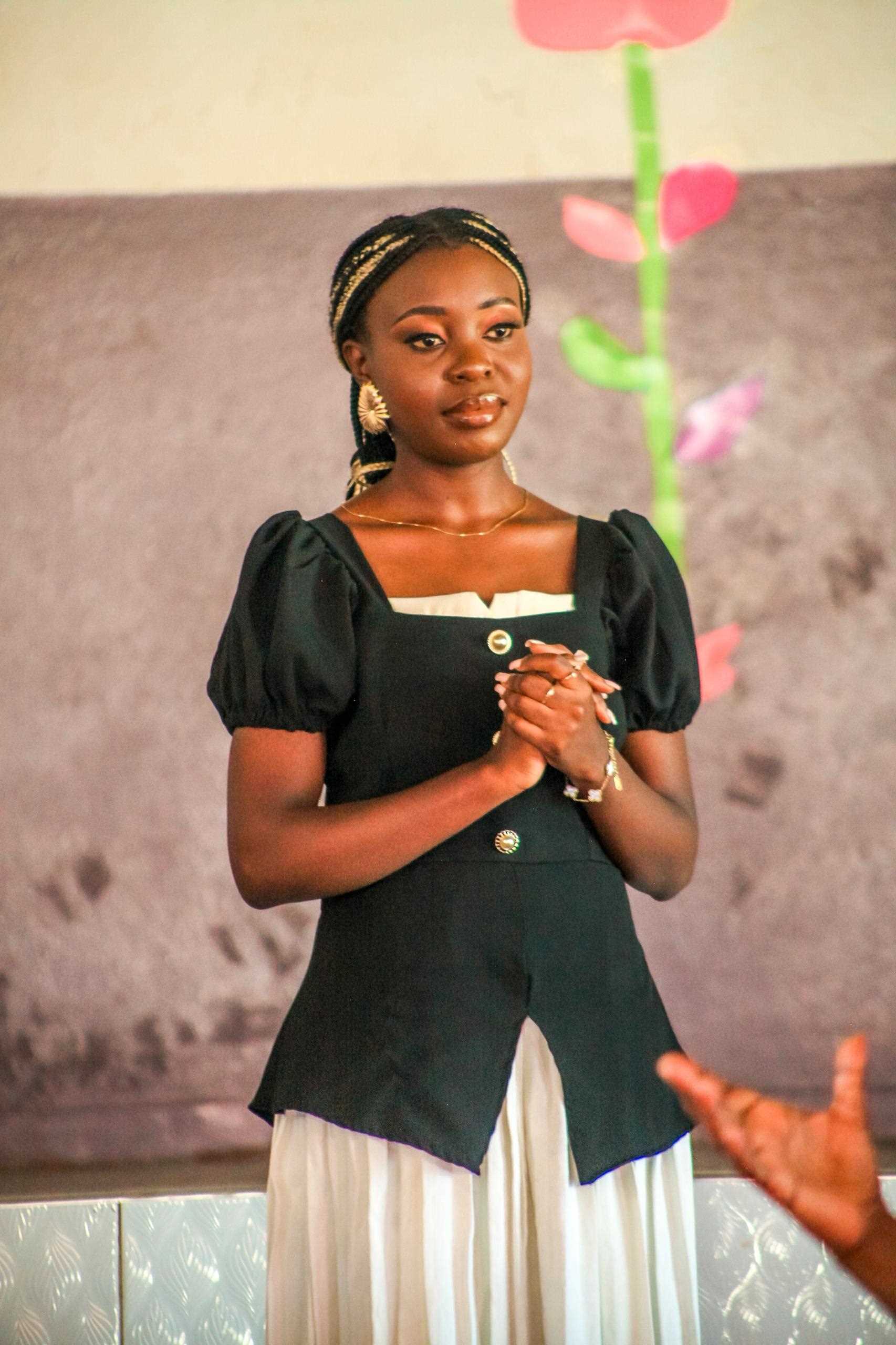
At just 20 years old, Nyasha Grace Manzou, founder of the Bright Girls Movement, is at the forefront of grassroots menstrual health action pushing conversations into boardrooms, classrooms, and national health spaces.
“I noticed there was a gender gap and inequalities period poverty, teen pregnancies, girls missing school — so I wanted to close that gap,” Manzou says.
“I wanted to see girls get the merit and opportunities they deserve.”
The Health Challenge Beneath the Stigma
Menstruation affects half of Zimbabwe’s population of reproductive age, yet it remains inadequately addressed in health policy and programming.
Recent studies show that an estimated 70–75 % of school‑age girls in Zimbabwe struggle to afford sanitary products, forcing many to resort to unsafe materials like cloth rags, cotton wool, or paper. These substitutes increase risks of reproductive tract infections, bacterial vaginosis, and other menstrual hygiene‑related health problems when reusable materials are not properly cleaned or when girls lack access to private, safe sanitation.
Equally concerning is the impact on education: more than 60 % of menstruating girls miss school each month because they lack menstrual products, equating to 40 or more lost learning days annually. This absence contributes to long‑term educational setbacks, and for some, increased vulnerability to early marriage and sexual exploitation.
Despite this, menstrual health has historically received limited prioritisation in national health budgets.
Policy Gaps and Budget Realities
In the 2026 national budget, the Ministry of Health and Child Care was allotted approximately ZWL$24.19 billion, roughly 28 % of its original submitted request — a reduction that constrained essential services, including reproductive health programmes. Menstrual health is not yet allocated a dedicated line item, meaning provisions for sanitary products often fall under broad education or community health sub‑programmes with inconsistent funding.
In recent years, budget allocations for sanitary products — such as a reported ZWL$15.5 billion provision for pads and menstrual supplies — have been insufficient to meet the nationwide need, particularly against rising inflation and import costs. Without targeted funding, many schools and health centres lack reliable stock or depend on donor support, creating persistent gaps in access.
Advocates argue that menstrual health should be mainstreamed into national health policy and explicitly budgeted, not treated as an occasional add‑on.
From Disposable Pads to Sustainable Interventions
Manzou started BGM by distributing disposable pads in her community of Mbare, Harare. But she quickly realised that short‑term giveaways could not meet long‑term needs.
“My biggest fear was the lack of resources. We were just giving out pads to a few girls for a few months. How were we going to sustain that?” she says.
Related Stories
That question reshaped the movement’s approach.
BGM now operates on three health‑focused pillars:
The Pad Hub — training young women to produce reusable sanitary pads, which promote both menstrual hygiene and economic agency.
Masterclasses — empowering girls with skills in financial literacy, health education, and career development.
Talk Shows — safe spaces that normalise conversations about menstruation, sexual health, and wellbeing.
“I want young ladies to be bold, to speak up for themselves, and to change their narratives despite their backgrounds,” Manzou says. Her approach recognises that menstrual health is not just about products — it’s about empowerment, mental wellbeing, and reducing health disparities.
Health Impact on the Ground
Through school partnerships in Mbare, BGM identifies vulnerable girls — including orphans and teen mothers — and supports them with hygienic menstrual products and health education. This holistic support bridges both material gaps and health literacy deficits, which are closely linked to improved menstrual hygiene management outcomes.
Public health experts emphasise that proper menstrual care — access to safe products, clean water, and private sanitation — is essential for preventing infections and maintaining dignity. It also significantly reduces school absenteeism, a social determinant of health.
Recognition and the Road Ahead
Manzou’s work has gained national attention, including recognition as one of Zimbabwe’s Ten Outstanding Young Persons in Humanitarian & Voluntary Leadership. Yet for her, the award is not the destination.
“The award shows that my work is being recognised and shows the impact I’m making. It gives me the zeal to continue working,” she says.
As BGM evolves, it is transitioning into a social enterprise model — producing affordable pads for broader distribution while maintaining subsidised access for those most in need. “For those who can afford, we want them to access pads at half the normal price,” Manzou explains. This hybrid model aims to sustain supply, reduce reliance on donations, and expand health impact.
Policy, Public Health, and National Priorities
Experts and advocates stress that ending period poverty requires more than community action — it demands policy reform, dedicated budgeting, and health system integration.
Zimbabwe’s Ministry of Health and Child Care, civil society, and development partners must work together to ensure menstrual health is recognised as a public health priority, with explicit budget provisions, supply chain strategies, and school‑based distribution programmes.
For Manzou, the mandate is clear: “Period should not be a barrier to success — it should be a stepping stone to confidence, equality, and health.”
In positioning menstrual health as a core dimension of public health, Zimbabwe can not only reduce educational inequalities and health risks but also affirm the dignity and rights of half its population.






Leave Comments