









Behind Zimbabwe’s steady gains in HIV treatment outcomes lies a largely unspoken crisis affecting children living with the virus emotional distress that routine medical care does not address, a new local study has revealed.
While public attention often focuses on access to antiretroviral drugs, researchers Kimisha Natasha Mtage,Tariro Makoni , Rumbidzai Muchengeti and Professor Gideon Zhou said the emotional burden carried by HIV-positive children remains invisible, unmanaged and underestimated, even within health facilities.
Their Harare-based research found that children living with HIV showed clear signs of emotional strain linked to stigma, silence and feardespite being clinically stable on treatment.
The study highlights that many children struggle to verbalise anxiety, sadness and isolation, especially in homes and communities where HIV is rarely discussed openly.
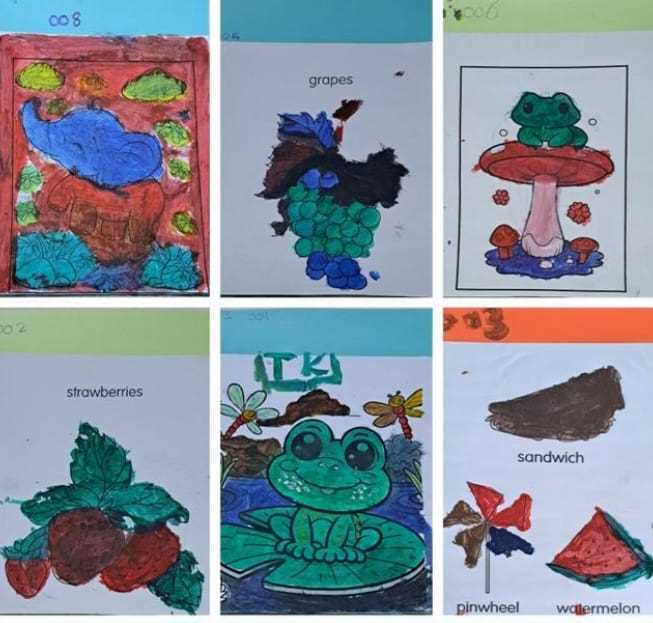
Mtage and her colleagues observed that non-verbal expression through drawing allowed children to communicate emotions they could not put into words**, revealing internal struggles that would otherwise go unnoticed by caregivers and health workers.
“The emotional wellbeing of children living with HIV is often assumed rather than assessed,” the researchers note, warning that *psychological neglect may undermine long-term health outcomes including treatment adherence.
Related Stories
During the intervention, children aged between six and 12 were given structured drawing sessions as part of routine care. Researchers recorded a statistically significant improvement in emotional wellbeing , showing that children became calmer, more expressive and less withdrawn after the activity.
Makoni said the findings point to a critical gap in Zimbabwe’s HIV response.
“Medical care has advanced, but emotional care has lagged behind, especially for children,” adding that many young patients carry emotional pain quietly to avoid questions or discrimination.
The drawings themselves told a deeper story. According to Muchengeti, repeated themes of **safety, hope and belonging** emerged after the intervention, contrasting sharply with earlier drawings that reflected confusion and emotional distress.
Professor Zhou said the findings challenge health institutions to rethink child-centred HIV care.
“Children are expected to be resilient simply because they are surviving,”
The researchers stress that emotional distress in children living with HIV often manifests later asdepression, behavioural problems or treatment fatigue**, issues that are rarely traced back to unmet psychological needs during childhood.
They argue that integrating simple psychosocial tools into clinics could transform care delivery without increasing costs a critical consideration for Zimbabwe’s strained health system.







Leave Comments