







Zimbabwe’s youth-focused interventions scaled significantly in 2025, with millions reached through education, advocacy, and institutional reforms, reflecting an aggressive push to integrate young people into national development priorities. The scale of outreach underscores both the opportunity presented by Zimbabwe’s youthful population and the pressure on policy frameworks to deliver tangible outcomes.
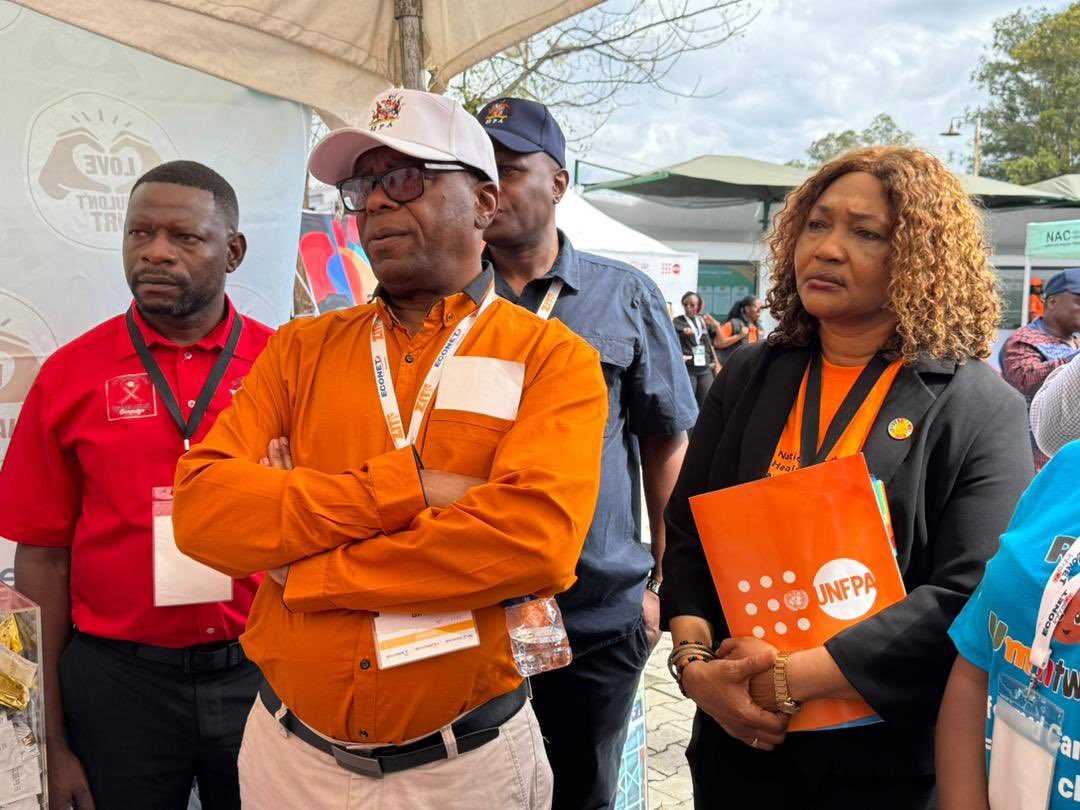
UNFPA Zimbabwe reported that its programmes reached “7.3 million young people” while mobilising “6,900 stakeholders through the #NotInMyVillage campaign,” pointing to a model that blends mass communication with grassroots engagement.
The expansion of this campaign across districts suggests increasing traction, particularly in tackling child marriage and adolescent pregnancy.
Related Stories
Government systems have also been drawn into this effort, with Youth Desks rolled out across 23 ministries, signalling an attempt to institutionalise youth participation.
However, the real test lies in whether these structures influence fiscal decisions and programme implementation, rather than serving as administrative placeholders.
Access to health services has improved on paper, with 80 percent of facilities now classified as youth-friendly, but this metric masks uneven service quality. In rural areas, shortages of trained personnel, limited supplies, and persistent stigma continue to restrict effective access, particularly for adolescent girls seeking reproductive health services.
The scale of outreach contrasts sharply with the depth of structural challenges. Youth unemployment remains high—estimated above 40 percent—while adolescent pregnancy rates continue to strain both the health and education systems. This raises questions about whether current interventions are sufficiently aligned with economic inclusion and long-term empowerment.





Leave Comments