









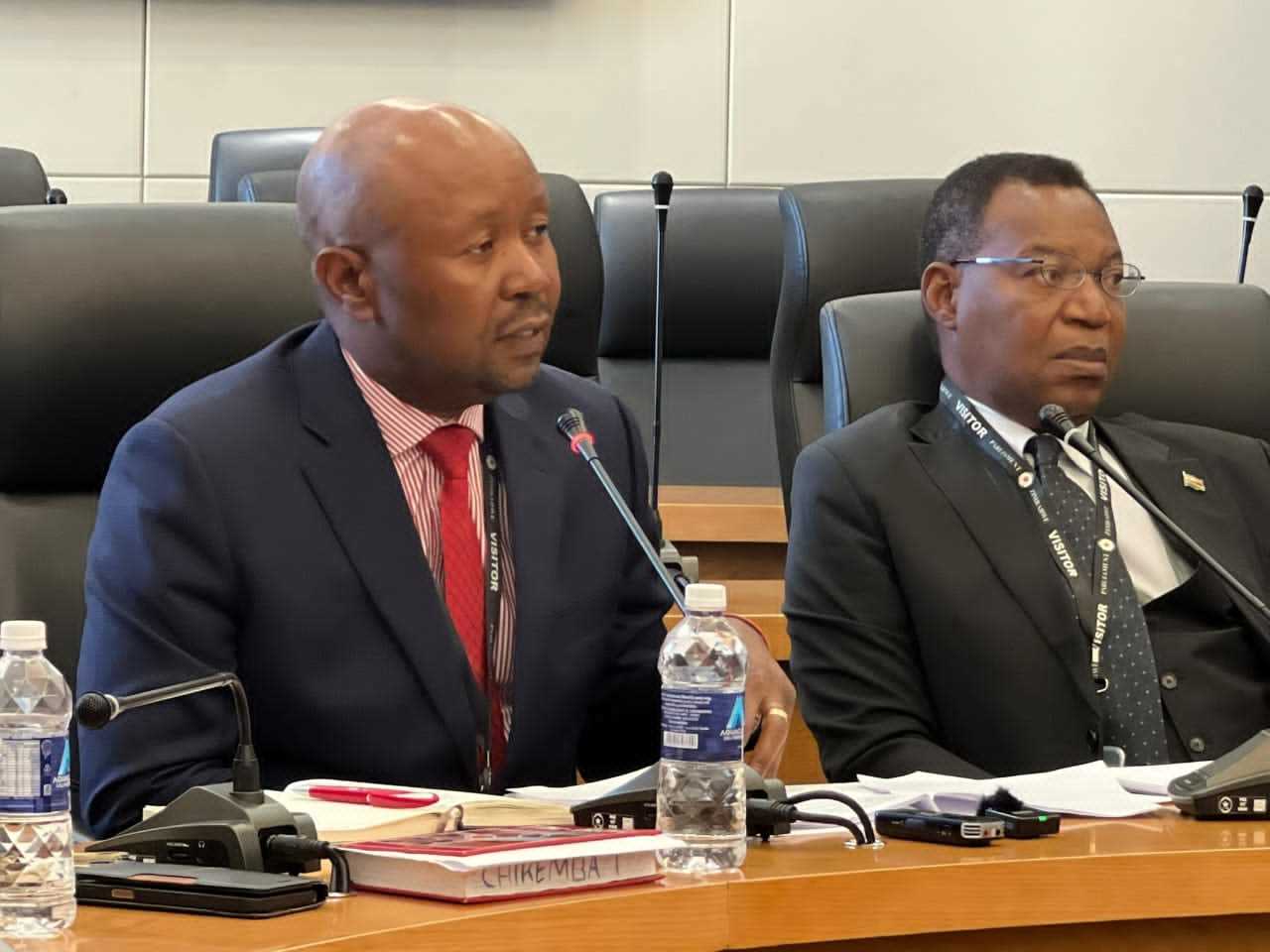
Zimbabwe’s Parliament has intensified its oversight of the country’s public health supply chain, with lawmakers seeking clarity on government policy to recapitalise NatPharm amid concerns over its funding structure and operational capacity.
The Parliament of Zimbabwe’s Portfolio Committee on Health and Child Care heard oral evidence from the Ministry of Health and Child Care, as part of an inquiry into how the state intends to strengthen the entity responsible for procuring, storing and distributing medicines across public health institutions. The Committee said it “today received oral evidence from the Ministry of Health and Child Care on Government policy and strategies to recapitalise NatPharm.”
Committee chairperson Collins Discent Banjila is leading the probe, which comes at a time when Zimbabwe’s health delivery system continues to face periodic shortages of essential drugs, raising questions about supply chain resilience and financing mechanisms.
Related Stories
Permanent Secretary Aspect Maunganidze told the Committee that while NatPharm is wholly government-owned, it operates without direct Treasury funding, relying instead on a mix of internally generated resources and support from development partners. He said NatPharm “is wholly owned by Government, although it does not receive direct funding from Treasury,” adding that “development partners and donors also provide financial support for the procurement of various medicines and health commodities.”
This hybrid financing model places the institution in a structurally constrained position, where its mandate as a national medicines distributor is not matched by predictable state-backed capital flows.
The reliance on donor funding for procurement of medicines and health commodities introduces both opportunity and vulnerability. While it supplements government efforts, it also exposes the supply chain to external financing cycles and priorities, potentially affecting consistency in drug availability.
The parliamentary engagement reflects policy tension: balancing state ownership of critical health infrastructure with limited fiscal space. Without sustained capital injection or a revised funding model, recapitalisation efforts risk remaining incremental rather than transformative. The Committee noted that “the engagement forms part of Parliament’s oversight role to ensure that key public health institutions are adequately capacitated to deliver efficient and reliable healthcare services to citizens.”









Leave Comments