





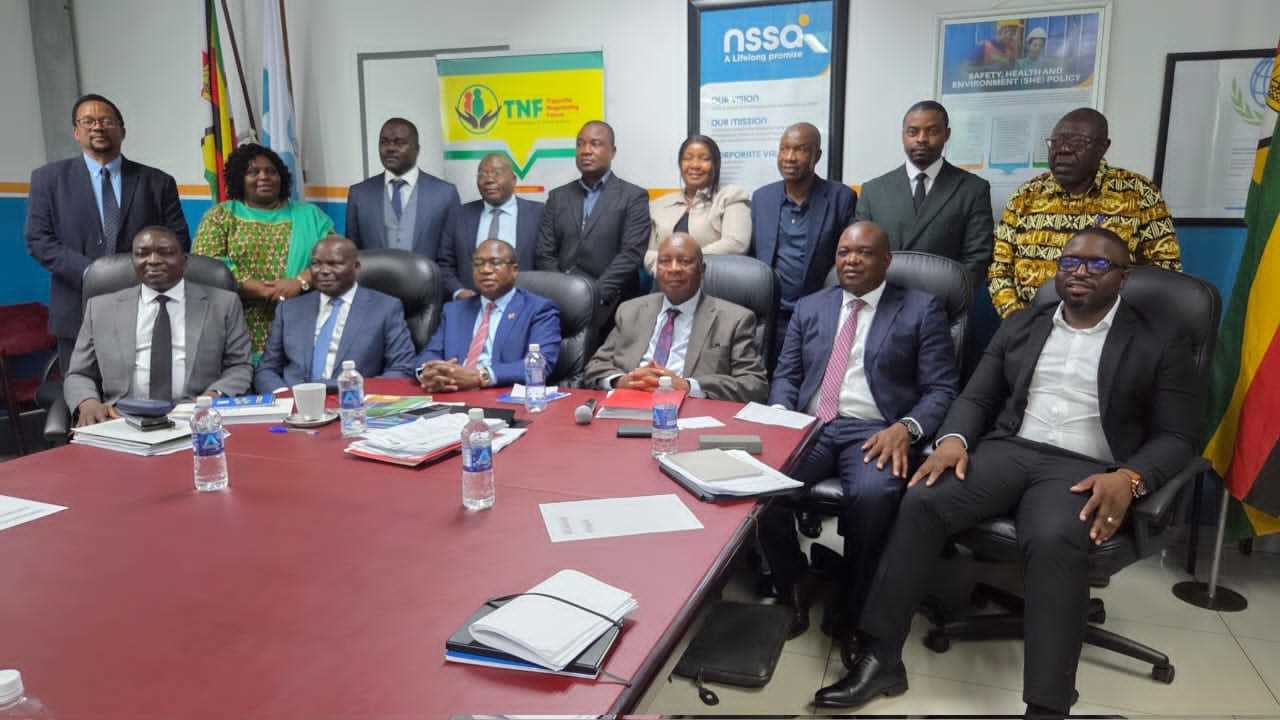
Government, business and labour leaders on Tuesday converged under the Tripartite Negotiating Forum to confront mounting economic and social pressures, with discussions centering on informality, worker welfare, industrial competitiveness and the growing strain on public services.
The meeting, chaired by Public Service, Labour and Social Welfare Minister Edgar Moyo, brought together senior Government officials, organised labour representatives and business leaders at a time when Zimbabwe’s economy continues to grapple with widening informalisation, high production costs and weakening formal sector capacity.
Among the issues tabled were minimum wages, labour compliance, corruption, food security, transport and infrastructure challenges, water and sanitation, as well as concerns over competitiveness and de-industrialisation.
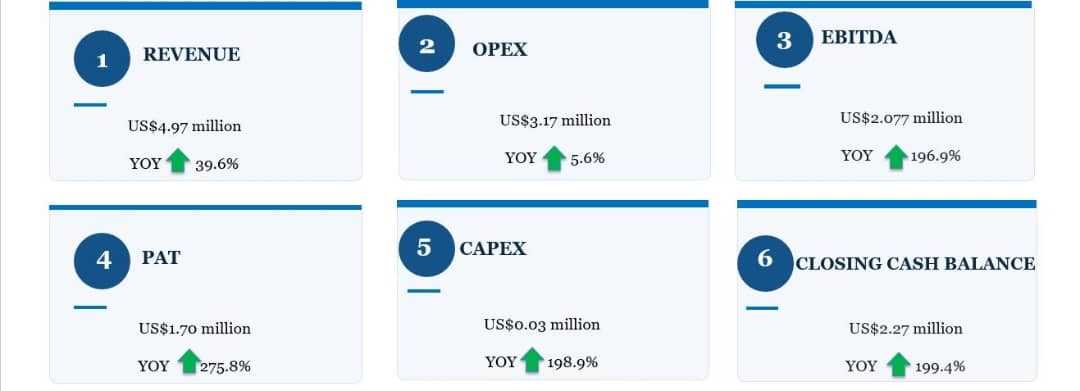
The meeting comes amid increasing warnings from industry groups and labour unions that Zimbabwe’s formal economy is under severe pressure from rising informality and weakening industrial capacity. Recent corporate updates from major firms have shown growing concern over shrinking formal markets, policy uncertainty and escalating operating costs.
According to Government, the meeting sought to strengthen social dialogue around national socio-economic challenges.
“The TNF brought together key stakeholders from Government, Organised Labour and Organised Business to deliberate on critical socio economic issues affecting the nation,” the Ministry said in a statement.
The Ministry said the parties discussed “the social contract and workers’ welfare, minimum wages and labour compliance, transport and infrastructure challenges, corruption and governance concerns, food and nutrition security, Water, Sanitation and Hygiene, high levels of informality and employment creation, competitiveness and de-industrialisation.”
Related Stories
The prominence given to informality reflects growing concern within both Government and industry over the rapid expansion of Zimbabwe’s informal economy, which economists estimate now accounts for more than three quarters of economic activity. Formal businesses have increasingly argued that the imbalance is eroding investment incentives and undermining industrial recovery.
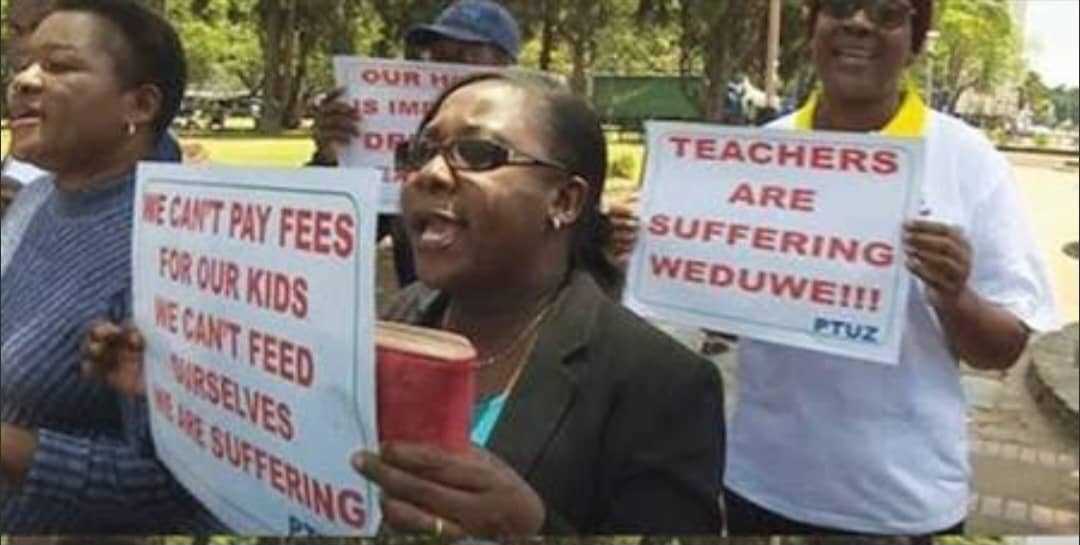
The discussions also come as workers continue to face rising living costs despite relative exchange rate stability and moderating inflation levels. Labour unions have repeatedly pushed for wage adjustments aligned with the cost of living, while employers argue that escalating production costs and subdued consumer demand are limiting their capacity to increase salaries sustainably.
Finance Minister Mthuli Ncube led the Government delegation, alongside Energy Minister July Moyo and Information Minister Zhemu Soda, underscoring the broad economic significance attached to the forum.
Organised labour was represented by Zimbabwe Congress of Trade Unions First Vice President Valentine Chikosi, while the Employers Confederation of Zimbabwe delegation was led by its president, Demos Mbauya.
Government said resolutions adopted during the technical sessions would be escalated to Cabinet.
“Resolutions adopted from the Technical Meeting will be submitted to Cabinet, reinforcing Government’s commitment to social dialogue, decent work, social development and improved livelihoods for all Zimbabweans,” the Ministry said.
The TNF was established as a platform for structured engagement between Government, labour and business on economic and social policy issues.







Leave Comments