








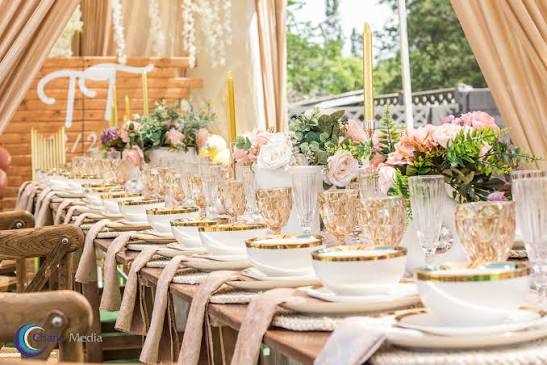
Ululations rise as a convoy of cars pulls into a neatly prepared yard.
Young women dressed in coordinated fabrics welcome guests while photographers adjust lenses and relatives position themselves for videos destined for WhatsApp statuses and Instagram stories.
At first glance, it looks like a wedding reception.
But it is lobola.
Across Zimbabwe, lobola once a quiet family negotiation conducted behind closed doors has evolved into an elaborate social event. New dresses, themed décor, professional catering, coordinated “lobola squads,” and carefully planned entrances now define what was historically an intimate cultural ritual attended only by close family members.
Today, lobola increasingly resembles a mini wedding, shaped as much by tradition as by the demands of the digital age.
From Sacred Negotiation to Social Event
Before the rise of social media, lobola ceremonies were intentionally private. Elders gathered indoors, negotiations unfolded respectfully, and the focus rested on unity between families rather than visual presentation.
Now extended families, friends and social circles are invited. The ceremony unfolds outdoors under decorated tents, complete with photographers, makeup artists and event planners. The moment is no longer experienced solely by those present — it is curated for audiences online.
For some elders, the transformation brings mixed emotions. Traditional elder Sekuru Mhofu says celebration itself is not the problem, but intention matters.
“Lobola was never meant to impress outsiders,” he says. “It was about families meeting, teaching the young couple responsibility and welcoming a son-in-law with dignity. Celebration is good, but the heart of lobola is respect and unity, not competition.”
Family therapist and counsellor Tawanda Karise says the shift reflects a deeper psychological change.
“Social media has shifted lobola from a relational process into a performance-driven event for many couples. Traditionally, lobola strengthened kinship bonds and created communal accountability around marriage. Now many couples approach it with heightened concern about public image, status and online approval.”
According to Karise, this transformation alters how couples emotionally enter marriage.
“Couples begin organising themselves around external validation instead of emotional preparedness. In the long run, marriages built around appearance often struggle with emotional authenticity.”
The Pressure to Be Perfect
With visibility comes expectation.
Brides increasingly feel pressure to present the perfect image — flawless makeup, designer outfits, coordinated themes and elaborate cakes. Grooms face equal scrutiny, expected to arrive in style, lead well-dressed delegations and demonstrate financial capability.
In some cases, preparation extends beyond clothing and decor. Families renovate homes ahead of the ceremony so that when the mukwasha arrives, everything appears orderly and impressive.
Behind the celebration lies an unspoken pressure: the ceremony must look perfect because it will later live online.
For Tinashe (name changed, who recently completed his lobola ceremony, the excitement came with unexpected emotional weight.
“We wanted something simple at first,” he says. “But once planning started, expectations grew — outfits, décor, photos, everything had to look right because people would see it online. It was beautiful, but at times I felt more pressure to impress than to just enjoy the moment with our families.”
Karise explains that many couples are now psychologically conditioned to equate relationship success with visibility.
“Constant exposure to curated relationships creates chronic comparison. Couples begin performing happiness rather than experiencing it. A partner may hide disappointment or conflict simply to maintain the image of a happy relationship online.”
He describes this as performative intimacy.
“Over time, emotional suppression weakens intimacy because unresolved pain accumulates underneath the performance.”
When Celebration Becomes Financial Strain
Related Stories
The desire to host an impressive lobola has also increased spending. Décor, catering, outfits and entertainment transform a traditionally modest ceremony into a costly production.
Event planner, Delia Manuel says demand for elaborate lobola ceremonies has grown rapidly. She notes that couples now approach lobola with the same planning intensity as weddings, sometimes prioritising appearance over cultural substance.
“You will find that people spend more on décor, catering, cakes and dresses — sometimes even more than what the groom actually brings as lobola — simply because they want to impress outsiders,” she says. “Some families end up taking on debt to finance the event, and this can later cause conflict. I have seen lobola ceremonies where the celebration looks extravagant, yet the groom arrives with less than families expected.”
Karise warns that social media validation can unconsciously drive financial decisions.
“Validation now functions as a psychological reward system. Many couples organise ceremonies around anticipated praise and admiration. The danger is that financial decisions become emotionally driven rather than relationally responsible.”
The emotional consequences, he says, often emerge later.
“Couples may enter marriage already emotionally depleted from financial strain and family pressure. Debt accumulated during ceremonies can become a source of chronic marital tension years later.”
The Emotional Meaning of Lobola
Despite these changes, lobola continues to hold deep psychological importance.
“Traditionally, lobola provides psychological containment for marriage,” Karise explains. “It formalises belonging, legitimises commitment and connects two family systems. For many men it reinforces responsibility and identity, while for families it offers reassurance of intentional commitment.”
Problems arise when meaning gives way to performance.
“When lobola becomes excessively financialised, it can create pressure, shame and performance anxiety rather than connection.”
Expensive ceremonies, he adds, can introduce anxiety before marriage even begins.
“Financial pressure activates deep identity wounds around adequacy and provision. Couples may start marriage emotionally exhausted from negotiating expectations.”
A Generation Negotiating Tradition
The transformation of lobola has also opened generational debates. Older family members often view elaborate ceremonies as unnecessary departures from tradition, while younger couples see celebration as cultural pride expressed in modern form.
Karise says the tension reflects broader social change.
“Older generations see traditions as protective structures preserving identity and communal order. Younger generations prioritise emotional wellbeing and financial practicality. Conflict happens when tradition and autonomy are experienced as opposing forces.”
Without balance, he warns, families risk placing strain on the couple itself.
“Long-term marital stability improves when couples honour cultural meaning while maintaining healthy relational boundaries as a marital unit.”
Healthy boundaries, he adds, require couples to separate cultural meaning from social pressure.
“Strong couples ask whether decisions strengthen the marriage itself or merely protect image and status. Marriages remain healthier when sustainability is prioritised over spectacle.”
Tradition Reimagined
As Zimbabwe’s lobola culture evolves, the ceremony now exists at the intersection of heritage and digital life. Smartphones capture moments once witnessed only by elders. Culture is no longer hidden — it is styled, shared and celebrated publicly.
Public celebrations may sometimes create unrealistic expectations of perfect relationships, Karise says, but they also reveal a generation attempting to redefine tradition on its own terms.
“Conflict, boredom and adjustment are normal phases of marriage. When couples compare lived reality to curated fantasy, dissatisfaction grows. But when tradition is grounded in emotional connection rather than performance, it continues to serve its original purpose — strengthening relationships.”
In the Instagram era, Zimbabwe’s lobola is not disappearing.
It is transforming — negotiating between ancestry and aesthetics, meaning and visibility, private commitment and public celebration.







Leave Comments