





Zim Now News Desk
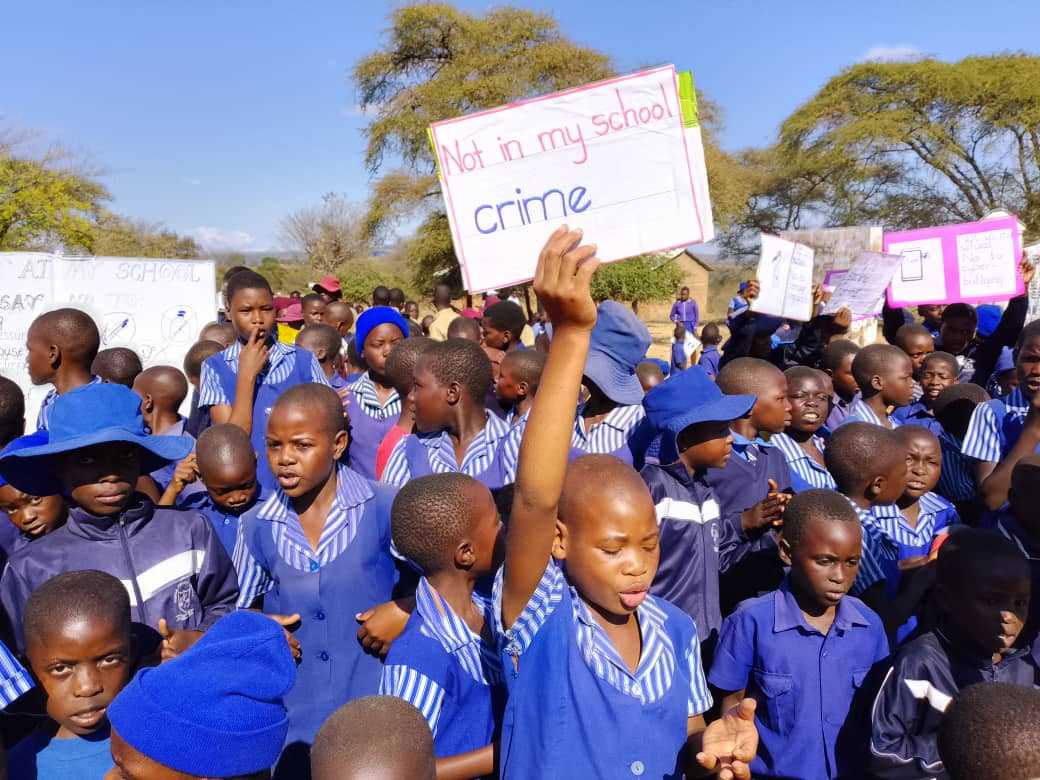
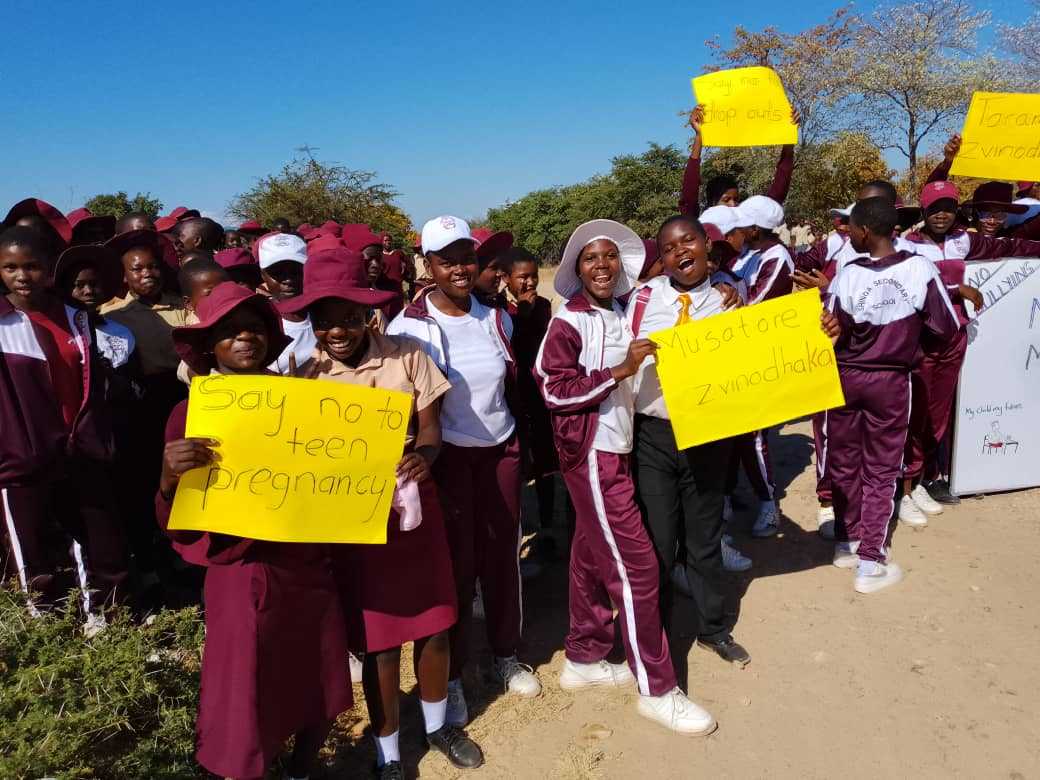
Shinga Primary and Secondary Schools in Mudzi, Mashonaland East this Wednesday held their own “Not in My School” campaign, taking the national fight against drug and substance abuse, bullying, violence and learner welfare threats closer to the communities where children live.
The campaign comes as schools are increasingly being pushed to confront drug use, peer pressure, teen pregnancies, bullying, cyberbullying, child abuse, school dropouts and mental health pressures.
Children from Shinga Primary and Secondary Schools, accompanied by teachers, village heads, Councillor Chengetai Kapango, Headman Katsamudanga representing Chief Nyamukoho, and other guests, took the campaign to the local shopping centre then gathered at the primary school during the awareness and preventative activity.
The “Not in My School” campaign is a Ministry of Primary and Secondary Education initiative focused on creating safe, inclusive learning environments free from violence and abuse.
During the launch of the programme in Hwedza District, also in Mashonaland East, District Schools Inspector Mr Parira told the Hwedza launch that drug use in schools was affecting concentration, fuelling violence, contributing to dropouts, worsening health problems and feeding bullying, physical fights, absenteeism, depression, teen pregnancies and child marriages.
Related Stories
Participants identified peer pressure, easy access to drugs, stress, abuse, learning gaps, idleness during free periods and the false belief that drugs can improve sporting performance as some of the factors pushing learners toward substance abuse.
Among the solutions communities have suggested that authorities remove access to drugs, increase counselling, hold regular awareness campaigns with different stakeholders, report early signs, introduce health clubs in schools and strengthen teacher networks that can continuously educate learners on the dangers of drugs.
Zimbabwe has already recorded worrying signs of drug and alcohol use among learners. In one widely reported case, eight learners at a top girls’ school in Harare were expelled after drug abuse during a school trip. Boarding schools have also previously had to warn parents against sending certain cereals after learners were found using them to make illicit alcohol.
The Zimbabwe Republic Police has been running countrywide community awareness campaigns that also include drug and substance abuse, combining enforcement with prevention messages and urging members of the public to report suppliers. This approach matters because arresting learners after the damage is done is a poor substitute for stopping access, educating families and identifying risks early.
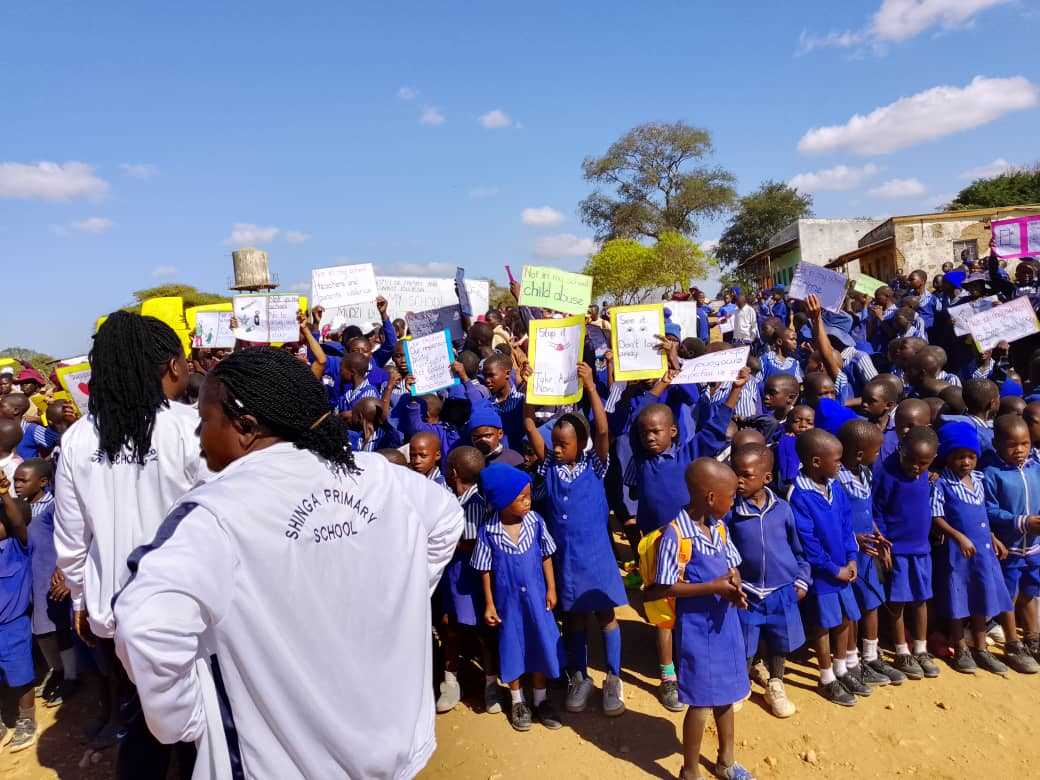
The Shinga campaign therefore lands at an important moment. If it becomes more than a one-day event, it can help build a local safety net around learners: teachers who notice, parents who listen, chiefs who act, churches that counsel, health workers who refer, police who prevent and pupils who are confident enough to speak before the problem swallows them.
The real test will come after the speeches, songs and placards.
For Shinga, and for every school taking up the campaign, “Not in My School” must become more than a slogan. It must become a community habit.








Leave Comments