








Government has unveiled an ambitious new National Youth Policy (2026-2030) aimed at tackling one of Zimbabwe's most pressing social and economic challenges, the growing number of young people who are neither in education, employment nor training (NEETs), a group that now accounts for an estimated 42.5 per cent of the country's youth population.
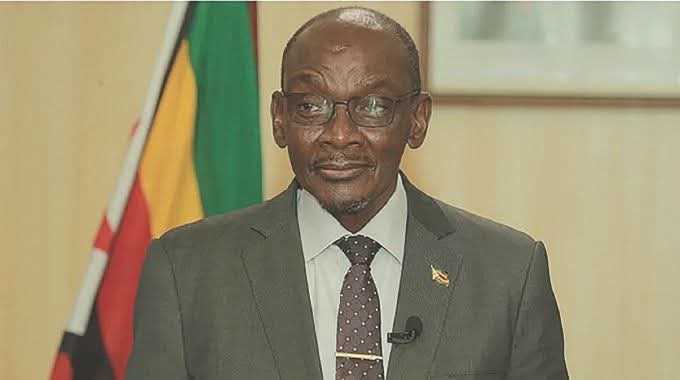
Cabinet approved the policy this week following a presentation by Vice President K.C.D. Mohadi, who chairs the Cabinet Committee on Social Development.
The new policy, which targets young people aged between 15 and 35 years, marks a significant shift in Government's youth development strategy by placing employment creation, entrepreneurship, digital innovation and mental health at the centre of national planning.
"Critical focus will be placed on the urgent issue of youth Not in Education, Employment or Training who constitute approximately 42.5 per cent of the targeted youth population," Cabinet said.
The policy succeeds the National Youth Policy 2020-2025 and has been aligned to the National Development Strategy 2 (NDS2), which will guide Zimbabwe's development agenda from 2026 to 2030.
Government says the framework is designed to transform young people from beneficiaries of development programmes into active drivers of economic growth and national transformation.
Related Stories
Unlike the previous policy, which gave rise to initiatives such as the Youth Service in Zimbabwe Programme, the Youth Fund and Empower Bank, the new blueprint introduces targeted interventions to address emerging challenges confronting young people, including drug and substance abuse, mental health issues, climate change and the rapid rise of artificial intelligence and automation.
"The National Youth Policy: 2026-2030 boldly prioritises interventions to address emerging issues such as drug and substance abuse and mental health care; technological innovations, artificial intelligence and automation; and climate change," Cabinet noted.
At the heart of the strategy is a strong emphasis on job creation and economic empowerment. Government intends to work with the private sector, development partners and public institutions to create opportunities for youth employment, enterprise development and skills training.
The policy also seeks to unlock new opportunities for youth-led businesses through financing mechanisms, incubation hubs, business development services and access to markets.
A dedicated Technology and Digital Transformation Pillar will promote digital literacy and prepare young Zimbabweans for participation in the digital economy, while the Education and Skills Development Pillar will focus on equipping youths with practical academic, vocational, technical and digital competencies suited to future labour market demands.
Recognising the growing impact of substance abuse among young people, the Health and Well-Being Pillar will strengthen prevention, treatment and support programmes while expanding access to healthcare services and sexual and reproductive health information.
Government also intends to increase youth participation in decision-making processes through a Governance Pillar that will require ministries, departments and agencies to mainstream youth programmes across all sectors.









Leave Comments