






Zambia’s post-election tensions have escalated after authorities said opposition presidential candidate Brian Mundubile was among political figures found at a Lusaka premises during a police raid targeting an alleged militia group accused of plotting an armed insurrection.
The government said 11 people were apprehended during the operation in Kabulonga on the night of August 13, when Zambians were voting in presidential and parliamentary elections. Authorities said police recovered high-grade military weapons, ammunition and other materials allegedly intended for an armed uprising.
Secretary to the Cabinet Patrick Kangwa said some of the individuals had been under surveillance for years and were allegedly connected to military plans involving foreign nationals and illegal military training camps.
“The operation resulted in the seizure of restricted, high-grade military weapons,” Kangwa said, adding that some suspects had allegedly been preparing for an armed insurrection.
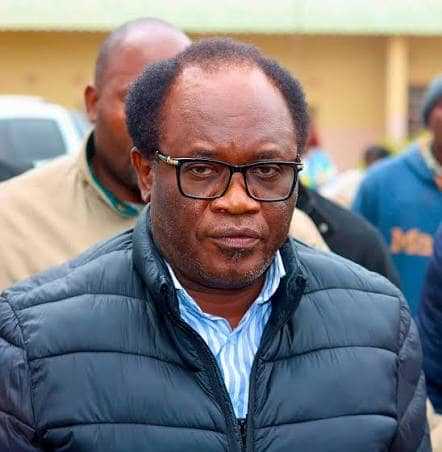
Mundubile, who was challenging President Hakainde Hichilema in the election, was identified by the government as one of the senior political figures found at the scene. The government has not, however, publicly established that Mundubile himself was involved in the alleged militia activities.
Authorities said the raid was based on information about a “militia group” accused of plotting “military plans involving foreign nationals and illegal training camps”.
The opposition candidate has given a sharply different account of events. Mundubile said heavily armed personnel raided his residence after the election and described the incident as an attack on his life. He has also questioned the credibility of the electoral process.
The arrests have added another layer of uncertainty to an election already disrupted by violence. The Electoral Commission of Zambia temporarily suspended vote counting after attacks on election officials and the theft of marked ballot papers, before declaring the security threat contained and resuming the tally.
Among those reported to have been arrested is Patrick Mwansa, the husband of Tasila Lungu, daughter of late former President Edgar Lungu. Lungu’s political legacy has remained a major factor in Zambia’s opposition politics following his death in 2025, with Mundubile emerging as a leading figure in the political camp associated with the former president.
Related Stories
The development is particularly sensitive because the election has been fought against a backdrop of accusations that the government has restricted opposition activity and used state institutions against political opponents. The government has rejected allegations of repression.
The authorities, meanwhile, insist that the arrests are a national security matter rather than political persecution. Kangwa said those detained had been charged and would be given access to their families and lawyers.
The competing narratives now place Zambia’s security agencies, opposition parties and electoral authorities under intense scrutiny.
For the government, the central question is whether it can substantiate its claim that an organised armed group was preparing for an insurrection and demonstrate that the arrests were based on credible evidence rather than political considerations.
For the opposition, the issue is whether the arrests and alleged raid form part of efforts to intimidate or neutralise political challengers after voting.
The timing makes the stakes even higher. With presidential results still being counted, any perception that security operations are being used to influence the political process risks deepening tensions around an election already affected by violence and delays.
Zambia has historically been viewed as one of the region’s more stable electoral democracies. The latest confrontation therefore threatens to turn a disputed post-election period into a wider test of the country’s institutions.
The immediate focus will be on the evidence presented against those arrested, the legal status of Mundubile and other opposition figures, and whether the electoral process can conclude without further confrontation.
For now, the government is describing the operation as a response to a potential armed threat, while the opposition sees it as a politically charged security crackdown.






Leave Comments