






At a time when every Zimbabwean is celebrating the return and development of football in the country, supporters naturally expect exciting and competitive matches.
However, disappointing results can weaken supporters’ confidence and dampen their hopes for the national team.
Although football has only three possible outcomes, a win, a draw or a loss, defeat should not create confusion or uncertainty among supporters, particularly at a time when the nation is witnessing renewed efforts to develop the game.
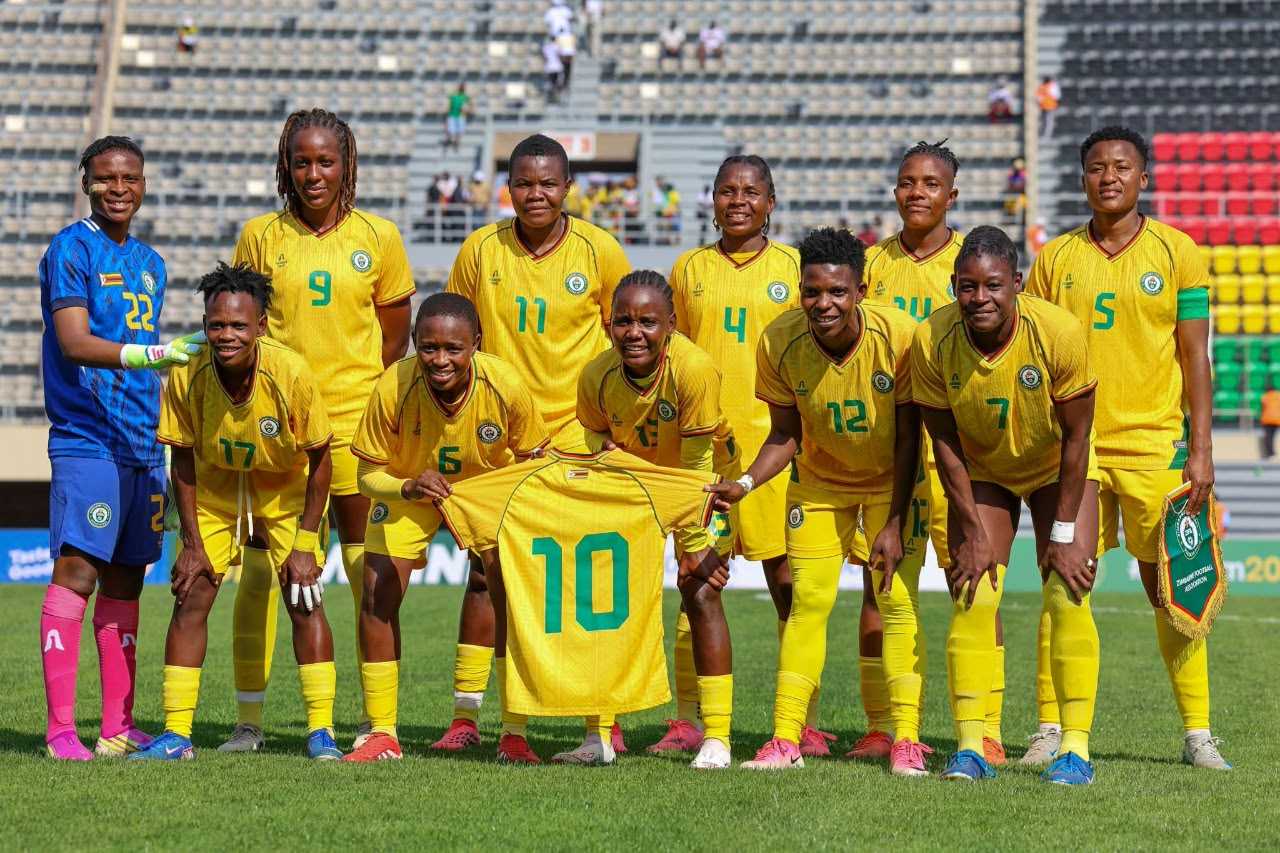
The return of the National Sports Stadium after five years of playing home matches outside the country was a moment worth celebrating. However, the Mighty Warriors’ 7-0 defeat at home was a bitter disappointment, made even more painful by the support they received from the fans.
The Warriors, on the other hand, suffered a 3-1 defeat at the same venue. Nevertheless, the excitement of watching an international match on home soil, coupled with the players’ effort, helped strengthen the supporters’ connection with the team, despite the result. The experience was markedly different from the disappointment of the Mighty Warriors’ heavy defeat.
Against this background, a crucial question remains What must Zimbabwe do to build a strong women's national team capable of qualifying for major international competitions, including the Olympic Games?
Zimbabwe last qualified for the Olympic Games in 2016, when the Mighty Warriors, captained by Rudo Neshamba, secured a historic place at the Rio Olympics. Notably, some players who featured in the 2026 squad were also part of the team that helped Zimbabwe qualify for the 2016 Games, including Daisy Kaitano.
A brief assessment by ZimNow Sports of the players who were part of the successful 2016 Mighty Warriors squad points to the importance of adequate preparation in building a competitive national team.
Former Mighty Warriors player Felistas Muzongondi believes that sufficient preparation time and regular international friendly matches are essential to improving the team's performance.
“It’s all about preparation time, and [the team] must have more international friendly matches,” said Muzongondi.
Related Stories
Earlier this year, former Mighty Warriors captain Rudo Neshamba also stressed the need for greater investment in women's football and more opportunities for players to gain international exposure, rather than being exposed to such experiences only during competitive matches.
“Women’s football needs to be invested in too, and players must be given more opportunities for international game exposure so that they won’t be frightened by their opponents or have their attention distracted by amazing or unfamiliar things,” she said.
However, in assessing the Mighty Warriors’ current performances against the backdrop of ZIFA’s Vision 2030, it may be too early to pass a definitive judgement on the initiative, as the project is still developing and has yet to reach its intended results.
During the appointment of Mighty Warriors head coach Stella Gotal, ZIFA president Nqobile Magwizi emphasised that bringing in a foreign coach was part of the association’s broader Vision 2030 strategy.
“Under Dream 2030, we want to build one national football development system from Under-15 all the way to the Warriors and Mighty Warriors.
“We want to take the natural technique, flair, speed and creativity that Zimbabwean football has always possessed and combine those qualities with world-class methodology,” said Magwizi.
For Gotal, Zimbabwe has the potential to build a strong and competitive women's national team, provided the players are given adequate time to prepare and the technical team has sufficient opportunities to scout and assess talent.
“We need to have as many friendly games as we can so that we can actually try every player and see those who can represent Zimbabwe,” said Gotal.
Meanwhile, Zimbabwe Women’s Premier Soccer League chairperson Chido Chizondo believes that the foundations for building a stronger women's national team are already being laid.
“The frustration after Malawi is understandable. But rebuilding women’s football requires more than reacting to results. It requires a deliberate, sustained effort to build a system that produces results consistently,” said Chizondo.
“The future is being built. Now we need the patience to execute, the discipline to stay the course and the accountability to ensure that the structures deliver,” she added.






Leave Comments