






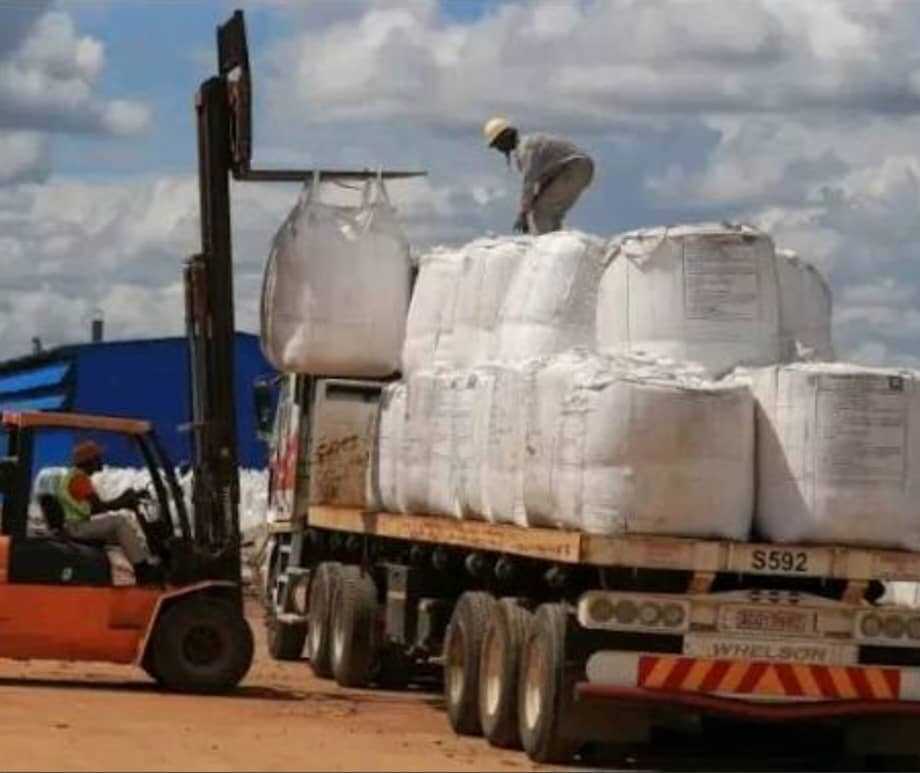
Zimbabwe’s mineral-control system is facing growing pressure after the Minerals Marketing Corporation of Zimbabwe recorded 18 cases of suspected smuggling and irregular mineral movement involving 2,654.88 tonnes of minerals and metal scrap between January and August 20, 2026.
The cases mainly involved lithium, chrome and silica and included movement without proper documents, falsified export papers, cargo misdeclaration and attempts to move unbeneficiated ore.
“The nature of offenses included movement without valid documentation, misuse or falsification of export papers, cargo misdeclaration and attempted movement of unbeneficiated mineral ore,” MMCZ General Manager Nomusa Jane Moyo said.
The largest case involved a 1,500-tonne stockpile of chrome concentrate at Darwendale, which was embargoed while investigations continued.
At Beitbridge, inspectors intercepted 36.88 tonnes of copper and aluminium scrap after a truck allegedly presented itself as empty. In Goromonzi, 120 tonnes of lithium ore involving four trucks were linked to an ongoing investigation.
The cases raise questions about how much mineral wealth may be leaving Zimbabwe undetected.
There is no single official figure for annual mineral-smuggling losses, and estimates use different methods. A 2026 report citing African Development Bank assessments put losses from mineral smuggling, trade misinvoicing and tax evasion at more than US$2 billion a year.
Gold alone has attracted major estimates. The International Crisis Group estimated in 2020 that Zimbabwe was losing about US$1.5 billion annually through gold smuggling. Fidelity Gold Refinery general manager Peter Magaramombe was later reported as estimating gold-smuggling losses at about US$2 billion a year.
Related Stories
Critical minerals have also become a concern. A 2025 Southern Africa Resource Watch report estimated Zimbabwe was losing about US$100 million a month through illicit trade in battery minerals such as lithium.
The estimates should not be added together because they cover different activities and may overlap. They nevertheless show the potential scale of the problem.
MMCZ has increased surveillance at key border points, including Beitbridge and Forbes, while introducing drones to monitor stockpiles, mining areas and transit cargo.
Moyo said the technology would help inspectors measure mineral volumes and compare them with declared production.
Zimbabwe’s mineral exports are growing, increasing the stakes. MMCZ reported mineral sales of US$3.401 billion in 2025, up from US$2.974 billion in 2024.
Lithium accounted for US$571.56 million of the 2025 sales, while chrome concentrates generated about US$150 million.
MMCZ says its enforcement drive is aimed at ensuring minerals are properly accounted for, correctly valued and taxed.
“Minerals are a national asset that must be exported at correct market values and appropriately taxed,” the corporation said.
However, porous borders, limited surveillance equipment and shortages of enforcement resources continue to make mineral control difficult.






Leave Comments